




Secret to rich, flavorful homemade bone broth from country kitchen scraps?
Unlock the Gold: The Unsung Hero of Country Kitchens
In many country kitchens, nothing goes to waste. Every peel, every bone, every leftover vegetable scrap holds potential. And when it comes to creating something truly nourishing and incredibly flavorful, these humble scraps are the secret to an outstanding bone broth. Forget bland, store-bought versions; the real magic happens when you embrace the wisdom of generations past, turning what others discard into liquid gold.
The Foundation: Thoughtful Scrap Collection
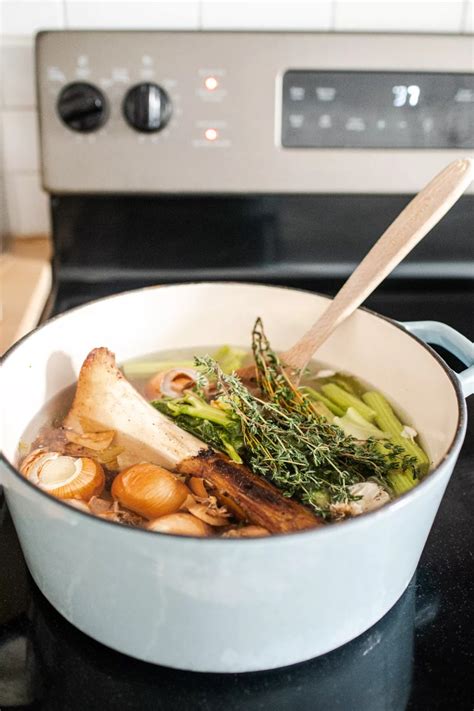
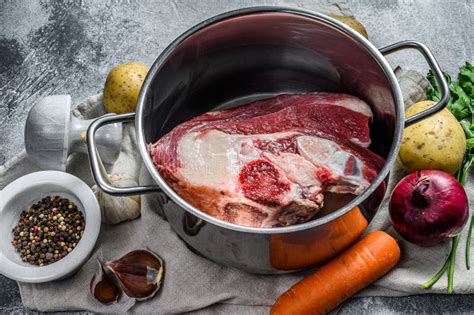
The journey to an exceptional bone broth begins with mindful collection. For the richest flavor, prioritize a mix of bones: roasted chicken carcasses, beef marrow bones, knuckles, or even pork hocks. Don’t be shy about saving vegetable scraps either. Onion skins (for color), garlic peels, carrot ends, celery tops, and mushroom stems all contribute layers of complex flavor. Keep a freezer bag dedicated to these treasures, accumulating them over time until you have enough for a large pot.

The Flavor Bomb: Roasting and Caramelization
This is perhaps the most critical step for achieving a deeply rich, nuanced flavor. Before simmering, always roast your bones, and ideally, any accompanying vegetable scraps. Spread them on a baking sheet and roast at 400°F (200°C) until deeply browned, often 30-45 minutes. This process caramelizes the sugars in the vegetables and bones, developing incredible depth and color that a raw simmer simply cannot achieve. Don’t forget to deglaze the roasting pan with a splash of water or vinegar, scraping up all those flavorful bits and adding them to your pot.
The Magic Catalyst: A Splash of Acid
Once your roasted bones and scraps are in the largest pot you own, add a tablespoon or two of apple cider vinegar. This isn’t for flavor (though a subtle tang can be nice); rather, the acid helps to leach essential minerals and collagen from the bones into the water, resulting in a more nutritious and gelatinous broth. Let it sit for 20-30 minutes with the bones before adding water to give it a head start.
The Slow Dance: Gentle Simmering is Key
Cover your bones and scraps with cold water, ensuring everything is submerged by at least an inch or two. Bring it slowly to a boil, then immediately reduce the heat to a very gentle simmer. The goal is a bare whisper of bubbles, not a rolling boil, which can make your broth cloudy. Skim off any foam or impurities that rise to the surface during the first hour or so. The ideal simmering time varies: 6-12 hours for chicken, 12-24 hours for beef. Patience here is generously rewarded with a concentrated, flavorful elixir.
Country Kitchen Aromatics: Beyond the Basics
While your primary flavor comes from the bones and roasted scraps, don’t underestimate the power of simple aromatics added in the last few hours of simmering. A few bay leaves, a handful of black peppercorns, a sprig of fresh thyme or rosemary (if you have them from the garden), or even a small piece of dried kelp (for minerals and umami) can elevate your broth further. Avoid salt until the very end, as the broth will reduce and concentrate, making it easy to over-salt prematurely.

Straining, Cooling, and Storage Wisdom
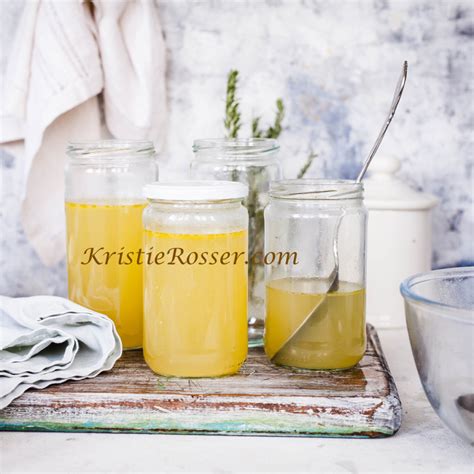
Once your broth has simmered to perfection, carefully strain it through a fine-mesh sieve, ideally lined with cheesecloth, to remove all solids. Discard the spent bones and vegetables. Allow the broth to cool completely at room temperature before refrigerating. As it cools, a layer of fat will solidify on top; this acts as a natural seal and can be removed before reheating or left for added richness. Store in airtight containers in the refrigerator for up to a week, or freeze in ice cube trays or larger containers for several months. A properly made bone broth will often gel when chilled, a sure sign of its rich collagen content.

Embrace the Tradition
Making bone broth from country kitchen scraps is more than just a recipe; it’s a philosophy of resourcefulness, flavor, and nourishment. It transforms the overlooked into the invaluable, providing a versatile base for soups, stews, sauces, or simply a comforting mug to sip on. By following these simple country kitchen secrets, you’ll consistently create a rich, deeply flavorful, and incredibly healthy bone broth that truly stands apart.