



What are simple, natural ways to preserve homegrown garden produce?
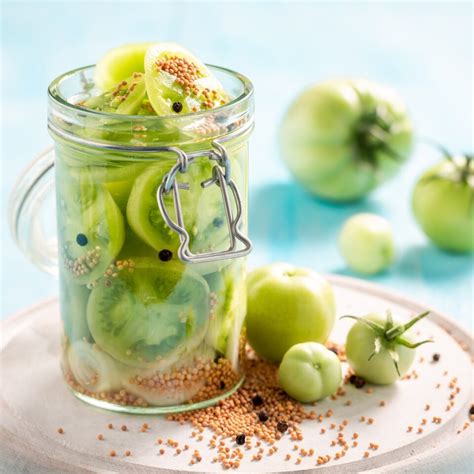
Embracing the Harvest: Natural Ways to Preserve Garden Goodness
There’s immense satisfaction in harvesting fresh produce from your own garden. But what happens when your bounty exceeds what you can eat fresh? Instead of letting a single zucchini or a handful of tomatoes go to waste, you can employ time-honored, natural preservation techniques to enjoy your garden’s gifts for months to come. These methods not only reduce food waste but also provide healthy, additive-free ingredients for your pantry.
Drying and Dehydration: Ancient Wisdom for Modern Pantries
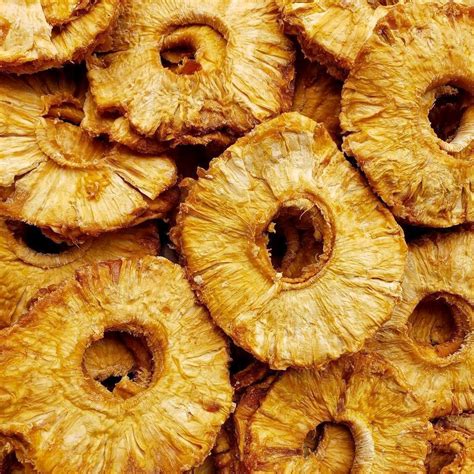
Drying is one of the oldest and simplest forms of food preservation, removing moisture to inhibit spoilage. This method works wonderfully for herbs, fruits, and even some vegetables. Sun drying, a traditional technique, is excellent for items like tomatoes, apples, and peppers, requiring only warm, dry, and sunny conditions. Alternatively, a food dehydrator offers a controlled environment for consistent results, or you can even use your oven on its lowest setting with the door ajar.
Herbs are particularly well-suited for air drying. Simply tie them in small bunches and hang them upside down in a cool, dark, well-ventilated area until crisp. Dried produce retains much of its nutritional value and concentrated flavor, making it perfect for snacks, teas, or rehydrating for cooking.
Canning and Jarring: Sealing in Freshness
Canning involves sealing food in jars and heating them to a temperature that destroys spoilage organisms and creates a vacuum seal. There are two primary methods: water bath canning for high-acid foods (like most fruits, jams, jellies, and pickled vegetables) and pressure canning for low-acid foods (like most vegetables, meats, and seafood).
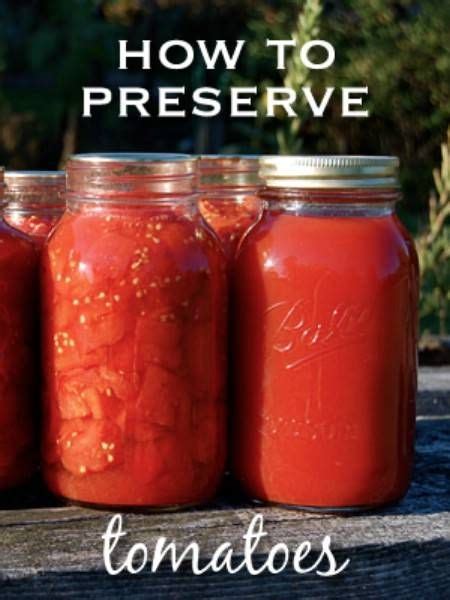
While canning requires attention to detail and adherence to safety guidelines, it’s a rewarding way to store large quantities of produce. Imagine opening a jar of your own homemade tomato sauce or dill pickles in the middle of winter! Ensure you use proper canning equipment and follow tested recipes from reliable sources to guarantee safety and quality.

Freezing: Capturing Peak Flavor
Freezing is arguably the easiest and most effective way to preserve the fresh taste and texture of many garden vegetables and fruits. Most vegetables benefit from blanching (a quick dip in boiling water followed by an ice bath) before freezing to stop enzyme action that can degrade flavor and color. Fruits, on the other hand, can often be frozen raw, sometimes with a little sugar or citrus juice to prevent browning.
Spread prepared produce in a single layer on a baking sheet to freeze individually before transferring to freezer bags or containers. This prevents clumping and allows you to take out only what you need. From corn and peas to berries and pesto, your freezer can become a treasure trove of summer’s bounty.

Fermentation: The Living Food Revolution
Fermentation is an ancient preservation method that not only extends the shelf life of food but also enhances its nutritional value and creates unique, tangy flavors. Through the action of beneficial bacteria, sugars in food are converted into lactic acid, creating an acidic environment that naturally preserves the food. Sauerkraut, kimchi, and various types of pickled vegetables are prime examples of fermented produce.
This process is surprisingly simple, often requiring just vegetables, salt, and water, along with a clean jar. Fermented foods are celebrated for their probiotic benefits, supporting gut health, and they offer a delicious way to enjoy your vegetables in a new form.
Root Cellaring and Cool Storage: Simple and Sustainable
For certain hardy crops, a simple cool, dark, and moderately humid storage area can extend their life for months. This method, often referred to as root cellaring, doesn’t require electricity or elaborate equipment. Potatoes, carrots, beets, onions, winter squash, and apples are excellent candidates for this type of storage. A cool basement, an unheated garage, or even a buried container can serve the purpose.
The key is to keep produce away from direct light, at a consistent cool temperature (ideally between 35-50°F or 2-10°C), and at the right humidity level for the specific crop. This is a truly natural and energy-efficient way to enjoy your harvest well into the colder months.
Conclusion: Enjoying Your Harvest All Year Long
Preserving your homegrown garden produce using these simple, natural methods is a rewarding endeavor. Not only do you ensure a supply of fresh, healthy ingredients throughout the year, but you also connect with ancestral traditions of food stewardship. Experiment with different techniques, find what works best for your garden and your lifestyle, and savor the satisfaction of a well-stocked pantry filled with your own delicious efforts.