



Easiest natural weed control for a vegetable garden?
Embracing Nature’s Solutions for a Weed-Free Garden
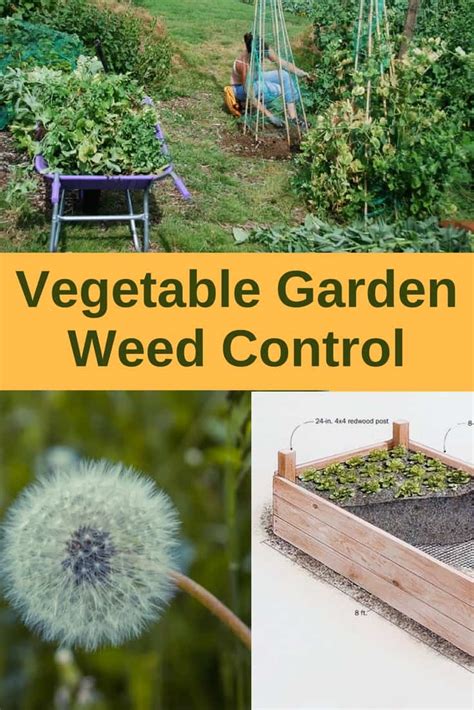
Maintaining a healthy, thriving vegetable garden is a rewarding endeavor, but it often comes with a persistent challenge: weeds. These opportunistic plants compete with your vegetables for water, nutrients, and sunlight, potentially reducing your harvest. While chemical herbicides offer a quick fix, they can harm beneficial insects, soil health, and even your family’s well-being. Fortunately, a variety of natural, easy-to-implement methods can effectively keep your garden weed-free without resorting to harsh chemicals, fostering a more sustainable and productive ecosystem.
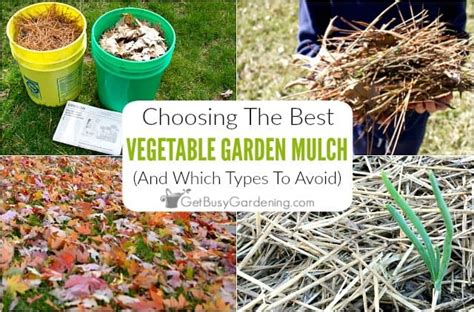
The Power of Mulch: Your First Line of Defense
Mulching is arguably the simplest and most effective natural weed control method. By covering the soil surface, mulch blocks sunlight, preventing weed seeds from germinating and smothering existing small weeds. It also helps retain soil moisture, regulate temperature, and enrich the soil as organic materials break down.
Types of Mulch:
- Organic Mulches: Straw, shredded leaves, wood chips, grass clippings, and compost. These break down over time, adding nutrients to the soil. Apply a layer 2-4 inches deep, ensuring it doesn’t touch the stems of your vegetable plants to prevent rot.
- Inorganic Mulches: Black plastic or landscape fabric. These are excellent at suppressing weeds and warming the soil, which can be beneficial for heat-loving crops. However, they don’t improve soil fertility and can interfere with water penetration.
Consistent Hand-Weeding and Hoeing
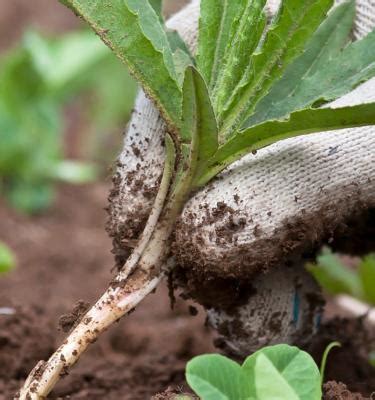
While not the most exciting task, regular hand-weeding and judicious hoeing are indispensable. The key is consistency and timing. Address weeds when they are young and small, ideally after a rain or watering when the soil is soft. This makes pulling them out, root and all, much easier. A sharp hoe can quickly sever weed roots just below the soil surface, particularly effective on annual weeds. Avoid deep tilling, as this can bring dormant weed seeds to the surface, encouraging new growth.
Strategic Planting: Close Spacing and Companion Plants
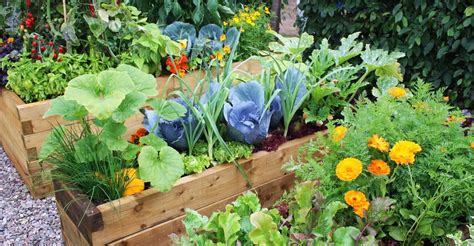
Planting your vegetables at appropriate, slightly closer spacing (while still allowing for good air circulation) can help. As your desired plants grow, their foliage will create a canopy that shades the soil, naturally suppressing weed growth. Additionally, some companion plants are known to deter weeds. For instance, planting potatoes relatively close together can help shade out weeds, and certain herbs can act as living mulches.
Utilizing Cover Crops and Green Manures
When parts of your garden bed are not actively growing vegetables, consider planting cover crops. These “green manures” like clover, vetch, or buckwheat, not only suppress weeds by outcompeting them but also enrich the soil with organic matter and nitrogen when tilled under. They protect the soil from erosion and compaction during off-seasons, leaving a healthier, less weedy bed for your next planting.

Newspaper and Cardboard Weed Barriers
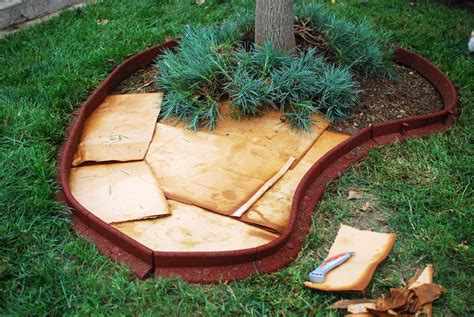
For particularly stubborn areas or when establishing new beds, newspaper and cardboard can serve as excellent biodegradable weed barriers. Lay down several layers of newspaper (black and white ink only) or a single layer of flattened cardboard directly over the weeds. Wet them thoroughly, then cover with a thick layer of organic mulch. This method suffocates existing weeds and prevents new ones from sprouting, eventually breaking down to enrich the soil.
Crop Rotation for Long-Term Weed Management
Implementing a crop rotation strategy can also aid in weed control. Different plants have different growth habits and nutrient requirements, which can disrupt the life cycles of specific weeds that might favor certain conditions. Rotating crops can prevent the buildup of weed seeds adapted to particular crops, making it harder for them to establish a foothold.
Conclusion: A Holistic Approach for a Flourishing Garden
Achieving a naturally weed-free vegetable garden isn’t about finding a single magic bullet, but rather adopting a combination of these easy, natural methods. By consistently applying mulch, hand-weeding promptly, strategically planting, utilizing cover crops, and employing barriers, you can significantly reduce weed pressure. This holistic approach not only protects your precious vegetables but also contributes to a healthier, more vibrant soil ecosystem, ensuring bountiful harvests for years to come without relying on harmful chemicals.