



How to naturally prevent common chicken diseases on a small homestead?
An increasing number of small homesteaders are embracing natural methods to ensure the health and well-being of their chicken flocks. While modern veterinary medicine offers solutions, a proactive, natural approach can significantly reduce the incidence of common diseases, leading to a happier, healthier, and more productive flock without relying heavily on pharmaceuticals. This guide explores practical strategies for disease prevention that align with sustainable homesteading practices.
Embracing Biosecurity as Your First Line of Defense
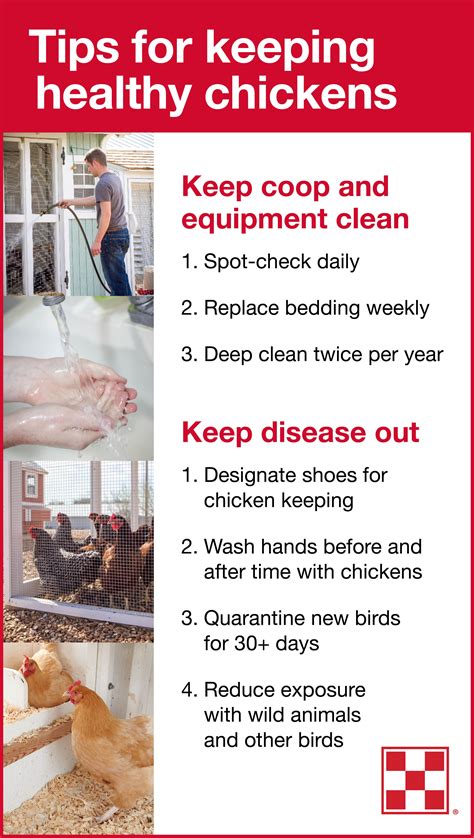
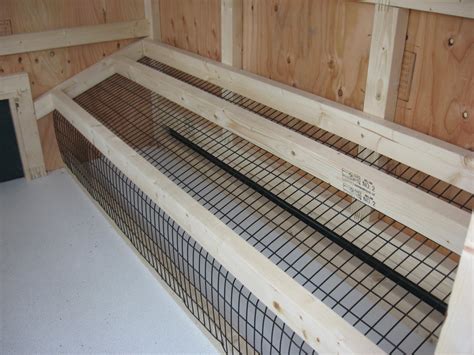
Effective biosecurity is paramount for natural disease prevention. It’s about creating barriers to prevent pathogens from entering your flock and spreading if they do. Start with your coop: regular cleaning is non-negotiable. Remove soiled bedding frequently, ideally daily for small areas, and do a deep clean monthly, sanitizing feeders and waterers. Consider using natural disinfectants like diluted white vinegar or essential oil sprays.
Beyond the coop, managing external risks is crucial. Always quarantine new birds for at least 3-4 weeks before introducing them to your main flock, observing them for any signs of illness. Control rodents and wild birds, as they can carry diseases and parasites. Keep feed secure and covered, and block entry points for unwanted visitors.
The Power of Nutrition and Hydration
A well-fed chicken is a resilient chicken. Provide a high-quality, balanced feed appropriate for their age and laying status. Supplement their diet with fresh greens, vegetable scraps, and occasional protein treats like mealworms. Avoid processed human foods or moldy scraps. Access to grit is also essential for digestion.
Hydration is just as vital. Chickens need constant access to fresh, clean water. Stagnant or dirty water can be a breeding ground for bacteria. Use poultry-specific waterers that keep water clean, and clean them daily. Consider adding natural immune boosters to their water occasionally, such as a tablespoon of apple cider vinegar (with the mother) per gallon, known for its probiotic properties.
Creating a Stress-Free and Stimulating Environment
Stress can significantly weaken a chicken’s immune system. Ensure your flock has adequate space, both in the coop and in their run. Overcrowding leads to stress, pecking orders gone awry, and quicker disease transmission. A good rule of thumb is at least 4 square feet per bird inside the coop and 10 square feet per bird in the run.

Provide enrichment activities like dust baths, perches at varying heights, and areas for foraging. Dust bathing is crucial for feather health and parasite control. Protect your flock from predators, as constant fear can be a major stressor. Ensure proper ventilation in the coop to prevent respiratory issues, but avoid drafts.
Vigilant Observation and Natural Support
Regular observation is your most powerful tool for natural disease prevention. Spend time with your flock daily, watching for any changes in behavior, appetite, comb color, droppings, or feather condition. Early detection allows for prompt, often natural, intervention.

For minor issues, consider natural remedies. Garlic, crushed and added to feed, is known for its antimicrobial properties. Certain herbs like oregano, thyme, and echinacea can be added to feed or water to support immune function. Keep a natural first-aid kit on hand, including items like colloidal silver, activated charcoal, and essential oils (used cautiously and diluted). Remember, severe or rapidly spreading illness warrants professional veterinary advice.

Building a Resilient Flock Naturally
Preventing common chicken diseases on a small homestead doesn’t require complex medical interventions. Instead, it relies on foundational principles: impeccable hygiene, robust nutrition, a low-stress environment, and keen observation. By integrating these natural practices into your daily routine, you’ll cultivate a strong, healthy, and resilient flock that thrives without constant reliance on conventional treatments, aligning perfectly with the ethos of sustainable country living.