




How to easily preserve excess garden veggies in real food recipes?

The bounty of a flourishing garden is one of life’s true delights. However, when your zucchini plants go into overdrive or your tomato vines explode with ripe fruit, that abundance can quickly become overwhelming. The good news? You don’t have to let a single precious harvest go to waste! Preserving your excess garden vegetables using “real food” methods is not only economical but also ensures you have wholesome, additive-free ingredients ready for delicious meals all year long.
Freezing: The Easiest Method for Most Veggies
For sheer simplicity and retaining nutrient content, freezing is often the go-to method for many gardeners. Most vegetables require a quick blanching first – a brief dip in boiling water followed by an ice bath – to halt enzyme action, preserve color, texture, and nutrients. Afterward, spread them on a baking sheet to flash freeze before transferring to freezer-safe bags or containers. This prevents clumping, making it easier to grab just what you need.
Think beyond just green beans and corn. You can freeze bell peppers (chopped), shredded zucchini (squeeze out excess water), roasted root vegetables, and even tomato sauce base.

Canning: For Shelf-Stable Goodness
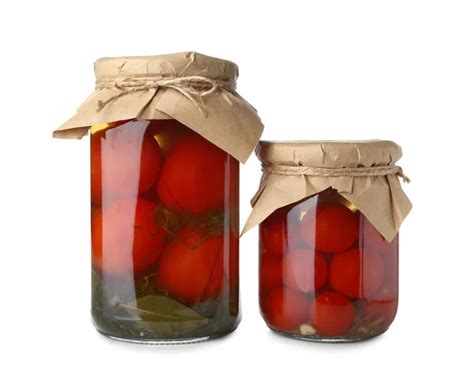
Canning might seem intimidating, but once you understand the basics, it’s incredibly rewarding. This method allows you to store food at room temperature for extended periods, freeing up valuable freezer space. Tomatoes, often acidic enough, can typically be preserved using a water bath canner for sauces, diced tomatoes, or juice. Low-acid vegetables like green beans, corn, and most meats, however, require a pressure canner to reach temperatures high enough to eliminate harmful bacteria.
Always follow tested, up-to-date recipes from reliable sources like the National Center for Home Food Preservation (NCHFP). From crisp dilly beans to tangy salsa and rich pasta sauce, canning turns your garden into a year-round pantry.
Dehydrating: Concentrating Flavors and Nutrients
Dehydration removes moisture, preventing spoilage and concentrating the natural flavors of your produce. While it requires a dehydrator (or a very low oven), the results are fantastic for things like herbs, fruit leathers, sun-dried tomatoes, and even zucchini or kale chips. Dried vegetables can be rehydrated for soups and stews or ground into powders to boost flavor and nutrition in various dishes.
Imagine having your own homemade onion powder, or a handful of intensely flavorful dried cherry tomatoes to toss into winter pasta dishes. It’s a space-efficient preservation method perfect for backpackers and everyday cooks alike.

Fermenting: Boost Gut Health and Flavor
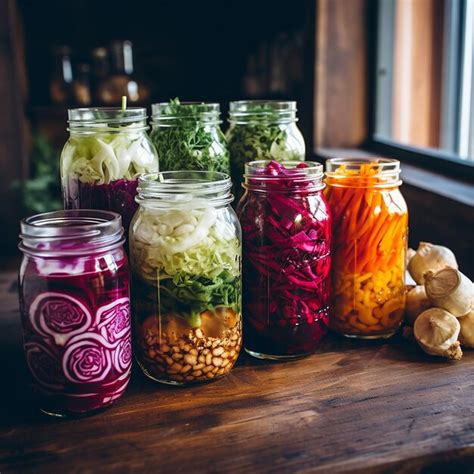
Fermentation is an ancient preservation technique that not only extends the life of vegetables but also enhances their nutritional value by introducing beneficial probiotics. Techniques like lacto-fermentation are surprisingly simple, requiring just vegetables, salt, and water. Think homemade sauerkraut, kimchi, or crunchy dill pickles.
These living foods are vibrant, tangy, and a fantastic addition to any meal, supporting gut health while adding a burst of complex flavor. It’s a method that truly embodies the “real food” ethos.
Incorporating Preserved Veggies into Real Food Recipes
The beauty of preserving your garden’s bounty lies in its utility. Your frozen corn can become part of a hearty winter chili. Canned tomatoes are the base for countless pasta sauces and stews. Rehydrated dried mushrooms add umami to risottos, and fermented cabbage elevates a simple sausage dish.
These preserved ingredients become convenient building blocks for wholesome, scratch-cooked meals, allowing you to enjoy the fresh flavors of summer and autumn long after the growing season has ended. Batch cook with them, experiment, and savor the taste of your own hard work, healthy and delicious.

Embracing these real food preservation techniques empowers you to take control of your pantry, reduce waste, and provide your family with nutritious, flavorful meals year-round. So, next time your garden overflows, see it not as a problem, but as an opportunity to stock your larder with homemade goodness.