


How to tenderize tough venison for a hearty country stew?
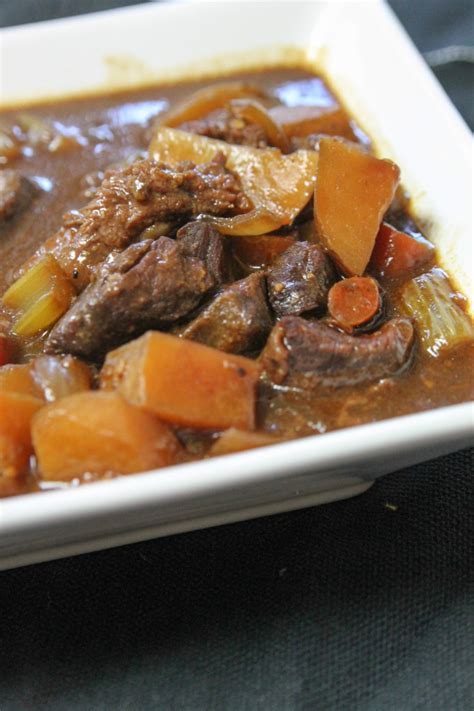
Conquering Tough Venison for the Ultimate Country Stew
There’s nothing quite like a robust country stew, especially one featuring the deep, earthy flavors of venison. However, wild game, particularly venison, can often be lean and tough, making it a challenge to achieve that melt-in-your-mouth tenderness desired in a good stew. Fear not, aspiring chefs! With the right techniques and a little patience, you can transform even the most stubborn cuts into succulent morsels that will elevate your stew to legendary status.
Understanding Why Venison Gets Tough
Before diving into tenderizing methods, it’s helpful to understand the source of the problem. Venison, being wild game, typically has very little fat marbling compared to domestic beef. This leanness, combined with strong muscle fibers developed from an active life in the wild, contributes to its inherent toughness. The collagen within the connective tissues also plays a significant role; when cooked incorrectly, it can make the meat chewy rather than gelatinous and tender.
Pre-Cooking Tenderization: Setting the Stage
1. Marinating with Acids and Enzymes
Marinating is a classic method that works wonders on venison. The key is to use marinades that contain acidic ingredients or natural enzymes.
- Acidic Marinades: Ingredients like buttermilk, yogurt, vinegar, lemon juice, or wine help to break down muscle fibers. Marinate venison chunks for at least 4-6 hours, or even overnight, in a mixture of these acids with herbs, spices, and aromatics.
- Enzyme-Rich Marinades: Certain fruits contain natural enzymes that tenderize meat. Papaya (papain) and pineapple (bromelain) are potent examples, but use them sparingly (1-2 hours) as they can turn the meat mushy if left too long.
2. Brining for Moisture and Tenderness
While often associated with poultry, brining can also significantly improve venison’s texture and moisture. A simple brine solution of salt and water, optionally with sugar and spices, helps the meat absorb moisture and loosens muscle fibers. Brine venison chunks for a few hours before rinsing and patting dry.
3. Mechanical Tenderization
Sometimes, a little physical intervention is all it takes. A meat mallet or a jaccard (blade tenderizer) can manually break down tough muscle fibers and connective tissues. For stew meat, you can gently pound the chunks or use a jaccard to pierce them multiple times before cooking. This also helps marinades penetrate deeper.
During-Cooking Tenderization: Low and Slow is the Way
Once your venison is prepped, the cooking method itself is paramount for achieving tenderness, especially for a stew.
1. The Power of Low and Slow Cooking
This is arguably the most crucial step for tough cuts. Stewing venison over low heat for an extended period allows the tough collagen in the connective tissues to slowly break down and convert into gelatin. This transformation is what gives stew meat its incredibly tender, fall-apart texture. Whether in a Dutch oven on the stovetop, in the oven, or a slow cooker, patience is key. Aim for at least 2-3 hours, or until the venison can be easily shredded with a fork.
2. Incorporate Acidic Ingredients into the Stew
Just as with marinades, adding acidic ingredients to your stew can aid in tenderization during cooking. A splash of red wine, canned tomatoes, tomato paste, or even a dash of balsamic vinegar early in the cooking process will contribute to breaking down the venison while also building rich flavor. These acids will mellow and meld into the stew as it simmers.
Choosing the Right Cut and Preparation
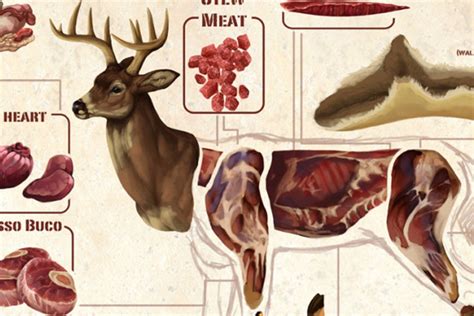
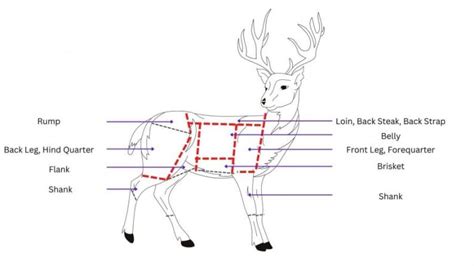
While most venison cuts can be tenderized for stew, some are naturally better suited. Neck, shanks, and shoulder cuts are excellent choices as they contain more connective tissue, which, with slow cooking, converts into that desirable gelatinous texture. For tougher cuts, ensure you trim any silver skin or excessive fat that won’t render down, as these can remain chewy.
Building Your Hearty Country Stew
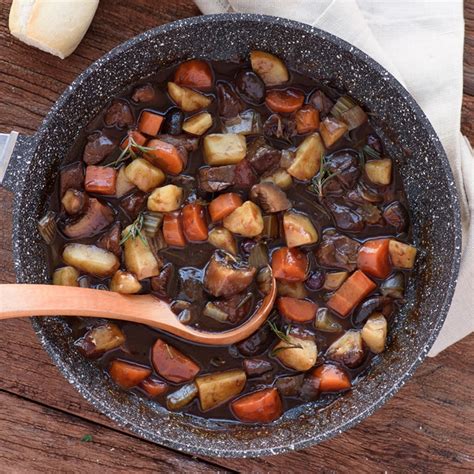
With your venison on the path to tenderness, it’s time to build a truly hearty country stew. Start by browning the venison chunks in batches to develop a deep, savory crust. This step adds immense flavor (the Maillard reaction). Deglaze your pot with wine or broth, then add your aromatics (onions, carrots, celery), broth, and any additional stew ingredients like potatoes, mushrooms, or root vegetables. Let it all simmer together, allowing the flavors to meld and the venison to reach peak tenderness.
Conclusion
Taming tough venison for a country stew is a rewarding culinary journey. By employing a combination of acidic marinades, mechanical tenderization, and the indispensable low-and-slow cooking method, you can transform lean, wild game into a fork-tender delight. Embrace these techniques, and you’ll be serving up bowls of incredibly flavorful and tender venison stew that will warm souls and satisfy the heartiest of appetites.