





What DIY methods secure a rustic garden fence against pests?
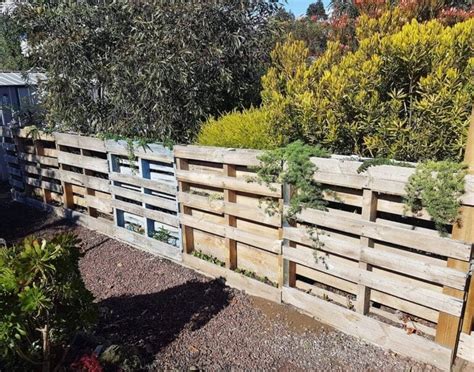
A rustic garden fence adds undeniable charm and character to any outdoor space, framing your landscape with natural beauty. However, this very natural appeal can also attract unwanted guests: pests. From nibbling rodents to plant-destroying insects, maintaining the integrity of your garden and its rustic boundary requires proactive, yet often simple, DIY solutions. The good news is that securing your fence against these invaders doesn’t mean sacrificing its rustic aesthetic or resorting to harsh chemicals. Instead, a blend of natural barriers, repellent plants, and mindful maintenance can keep your garden thriving and your fence intact.
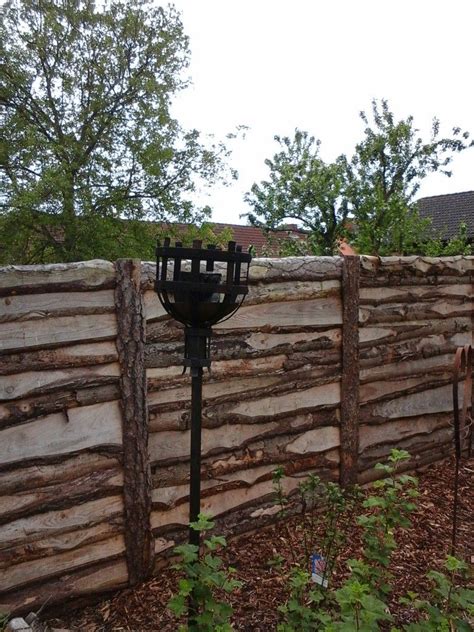
Establishing Physical Deterrents
The first line of defense against many garden pests, especially larger ones like rabbits, groundhogs, and even curious pets, involves physical barriers. Reinforcing the base of your rustic fence is crucial. Burying a section of chicken wire or hardware cloth (a finer mesh) vertically into the ground around the entire perimeter can prevent tunneling animals from gaining access. A good depth is at least 6-12 inches, with the bottom bent outwards into an “L” shape to discourage digging underneath. For smaller insects, consider fine mesh netting or insect screens, especially during vulnerable seasons, though these might detract from the rustic look if applied broadly.
Ensuring your fence posts are sturdy and free of gaps is also important. Fill any significant cracks or holes in wooden posts with natural wood filler or caulk to prevent insects from nesting. If using living fence elements like interwoven branches, regular inspection for weak points is key to maintaining a robust barrier.

Harnessing the Power of Repellent Plants
Nature itself provides excellent pest control in the form of certain plants. Strategically planting these around your rustic fence can create a living, aromatic shield that deters many common garden pests. Consider incorporating the following:
- Marigolds: Known to repel nematodes and many insects like aphids, thrips, and whiteflies. Their strong scent is a natural deterrent.
- Mint: While aggressive growers, mint varieties like peppermint and spearmint can deter ants, aphids, flea beetles, and even mice. Plant them in containers near your fence to control their spread.
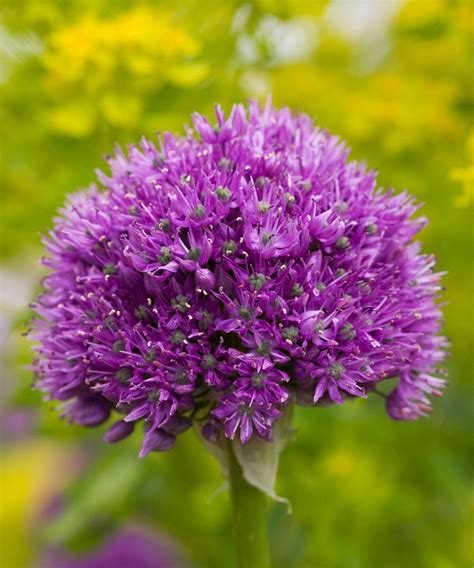
- Garlic and Onions: The pungent aroma of alliums is a turn-off for many pests, including slugs, Japanese beetles, and aphids.
- Catnip: Surprisingly effective against a wide range of pests, including aphids, flea beetles, Japanese beetles, squash bugs, and ants.
- Basil: Repels flies and mosquitoes, making your garden more pleasant for you while keeping pests away from your plants.
Planting a diverse range of these repellent herbs and flowers not only adds beauty and fragrance to your garden but also creates an intricate defense system that confusing and deters pests.
Natural Sprays and Treatments
For direct intervention or areas needing extra protection, several DIY natural sprays can be highly effective and safe for your garden. These can be applied to plants near the fence or directly to the fence material itself if pests are attempting to nest there.
- Neem Oil Spray: A powerful organic pesticide and fungicide derived from the neem tree. Mix neem oil with water and a small amount of mild soap (as an emulsifier) and spray on affected plants or fence sections. It disrupts insect growth and acts as an anti-feedant.
- Garlic or Pepper Spray: Blend garlic cloves or hot peppers with water, strain, and add a drop of dish soap. This spicy concoction repels many chewing insects and even some larger animals due to its strong taste and smell.
- Soapy Water Spray: A simple solution of mild dish soap and water can effectively suffocate soft-bodied insects like aphids, spider mites, and whiteflies on contact.
- Diatomaceous Earth (DE): A natural powder made from fossilized algae. When sprinkled around the base of your fence or on affected plants, it acts as a desiccant, dehydrating and killing crawling insects. Ensure to use food-grade DE.
Always test any new spray on a small, inconspicuous area first to ensure it doesn’t harm your plants or fence material.

Maintenance and Garden Hygiene
Beyond specific deterrents, good garden hygiene and regular maintenance are paramount in keeping pests at bay. Pests are often attracted to neglected areas, rotting wood, and excessive moisture.
- Clear Debris: Regularly remove fallen leaves, weeds, and garden debris from around the base of your fence. These can provide shelter and breeding grounds for slugs, snails, and various insects.
- Trim Vegetation: Keep surrounding plants and shrubs trimmed so they don’t overhang or directly touch the fence, creating bridges for climbing pests.
- Inspect Regularly: Periodically walk along your fence, looking for signs of pest activity, damage, or potential entry points. Early detection is key to easier management.
- Address Moisture: Ensure proper drainage around your fence line. Standing water can attract mosquitoes and create an ideal environment for moisture-loving pests. If your rustic fence includes natural wood, consider applying a natural, non-toxic sealant to prolong its life and deter wood-boring insects.
- Encourage Beneficial Insects: Attract natural predators like ladybugs, lacewings, and hoverflies by planting flowers that provide nectar and pollen. These insects will prey on many common garden pests.

Securing your rustic garden fence against pests is an ongoing process that benefits greatly from a multi-faceted DIY approach. By combining physical barriers, strategic planting of repellent herbs, the targeted use of natural sprays, and diligent garden maintenance, you can create a resilient and beautiful outdoor space. Embrace these eco-friendly methods to protect your garden’s bounty and preserve the rustic charm of your fence for years to come, ensuring a harmonious balance between nature and your nurtured landscape.