




How to get picky eaters to enjoy homegrown, real food family meals?

Turning Picky Eaters into Budding Gourmands
For many families, the dream of a harmonious dinner table, laden with nutritious homegrown food, often clashes with the reality of a picky eater. The battle over broccoli or the silent protest against kale can turn mealtime into a stressful ordeal rather than a cherished family ritual. But what if you could shift this dynamic, encouraging your children to not only tolerate but genuinely enjoy the bounty from your garden? It’s a journey that requires patience, creativity, and a dash of strategic thinking, but it’s entirely achievable.
Understanding the Picky Eater Mindset
Before implementing strategies, it’s helpful to understand why children become picky. Often, it’s a phase related to neophobia (fear of new foods), a desire for control, or sensory sensitivities to texture, smell, or taste. Pressuring them to eat can backfire, reinforcing negative associations with food. The goal isn’t to force-feed, but to create positive, non-pressured experiences around new and healthy options.

Strategy 1: Get Them Involved, From Seed to Plate
One of the most powerful tools in your arsenal is involvement. Children are more likely to try and enjoy food they’ve had a hand in creating. This journey can start long before the food reaches the table:
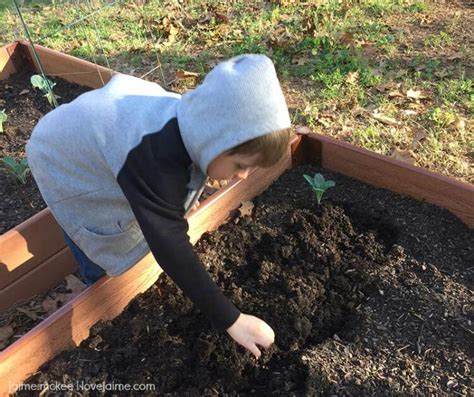
- Gardening Buddies: Invite them to help plant seeds, water sprouts, and harvest vegetables. Connecting the food on their plate to the plant they nurtured can be a game-changer.
- Kitchen Assistants: Even toddlers can wash vegetables, tear lettuce, or stir ingredients. Older children can help chop (with supervision), measure, or set the table. The more they participate in meal preparation, the greater their sense of ownership and curiosity.
- Recipe Choosers: Let them pick one new vegetable from the garden or farmer’s market, and then find a recipe together to prepare it.
Strategy 2: Make Presentation Fun and Appealing
Kids eat with their eyes first, just like adults. The way food looks can significantly impact their willingness to try it. Homemade food doesn’t have to be bland or boring:
- Play with Shapes and Colors: Use cookie cutters for sandwiches or vegetables. Arrange food into funny faces or patterns.
- Offer Dips: A simple homemade hummus, yogurt dip, or a mild salsa can make raw vegetables much more appealing.
- Deconstructed Meals: Instead of mixing everything, serve components separately. For example, a “taco bar” with separate bowls of lettuce, cheese, beans, and cooked meat/veggies allows them to choose and assemble.

Strategy 3: The Exposure Principle – Patience is Key
It can take 10-15 exposures to a new food before a child accepts it. Don’t give up after the first refusal. Consistency and a no-pressure environment are crucial:
- Repeated Offerings: Continue to offer small portions of new or disliked foods alongside familiar favorites. Don’t comment if they don’t eat it.
- “No Thank You” Bite/Taste: Some families have a “no thank you bite” rule, where the child tries a tiny bit. Others prefer zero pressure. Find what works for your family without creating a power struggle.
- Family-Style Serving: Place bowls of food on the table and let everyone serve themselves. This gives children a sense of autonomy and lessens the feeling of being forced.
- Pair with Favorites: Serve new vegetables alongside a beloved protein or carbohydrate.

Strategy 4: Be a Positive Role Model
Children are observant. They watch what you eat and how you react to food. If you visibly enjoy your homegrown carrots, they are more likely to be curious about them. Sit down and eat with your children, engaging in pleasant conversation that isn’t centered around their food choices. Model healthy eating habits without preaching.

Strategy 5: Patience, Persistence, and Positive Reinforcement
This is a marathon, not a sprint. There will be good days and bad days. Celebrate small victories, like trying a new vegetable or taking an extra bite without prompting. Focus on creating a positive, relaxed mealtime atmosphere where food is enjoyed and shared, rather than a battleground.
Cultivating Healthy Habits and Happy Meals
Helping picky eaters embrace homegrown, real food is a journey of education, exposure, and empowerment. By involving them in the process, making food appealing, offering consistent non-pressured exposure, and modeling good habits, you can transform mealtime struggles into joyful family experiences. The aim isn’t just to get them to eat their vegetables today, but to cultivate a lifelong appreciation for nourishing, wholesome food that they’ve connected with from the very beginning.