



How can I naturally deter common garden pests from my organic vegetable patch?

Embracing Nature’s Solutions for a Pest-Free Garden
Cultivating a thriving organic vegetable patch is incredibly rewarding, but it often comes with the challenge of unwelcome visitors – common garden pests. The good news is that you don’t need harsh chemicals to protect your precious plants. By understanding and working with nature, you can create a resilient garden ecosystem that naturally deters pests, ensuring a bountiful and healthy harvest.
Building a Strong Foundation: Healthy Soil and Smart Planting
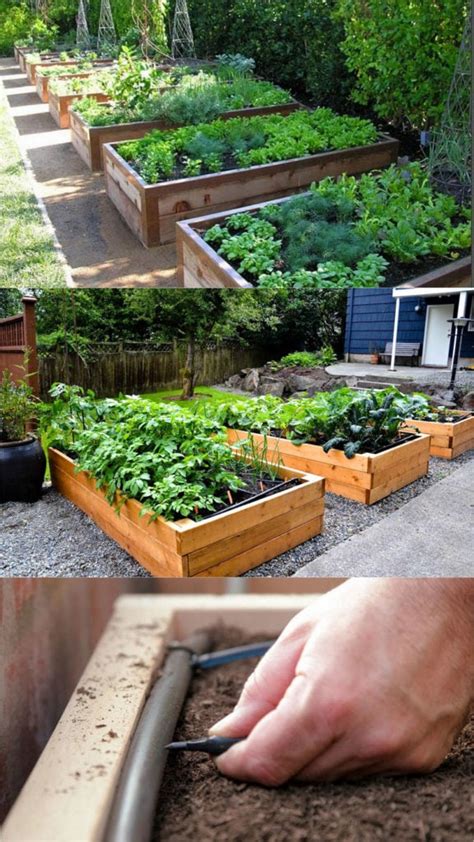
A strong defense against pests begins beneath the surface. Healthy, nutrient-rich soil is key to growing vigorous plants that are naturally more resistant to pest attacks. Incorporate plenty of organic matter, like compost, to improve soil structure and microbial life. Additionally, smart planting strategies can make a significant difference.
- Proper Spacing: Ensure adequate air circulation around plants to reduce fungal diseases and make it harder for pests to spread.
- Crop Rotation: Avoid planting the same crop in the same spot year after year. This confuses pests and breaks their life cycles.
- Resistant Varieties: Choose vegetable varieties known for their natural resistance to common pests and diseases in your region.

The Power of Companion Planting: Nature’s Bodyguards
One of the most effective natural pest deterrents is companion planting. Certain plants, when grown near specific vegetables, can repel pests, attract beneficial insects, or even improve the growth and flavor of their neighbors. It’s like having a natural security system for your garden.
- Marigolds: Known to deter nematodes and other soil pests when planted near tomatoes, beans, and peppers.
- Nasturtiums: Act as a trap crop, luring aphids away from more desirable plants.
- Herbs (e.g., Basil, Mint, Rosemary): Many strong-scented herbs can confuse and repel a variety of pests. Basil, for instance, deters tomato hornworms and flies, while rosemary can keep slugs and cabbage moths at bay.
- Alliums (Onions, Garlic, Chives): Repel aphids, slugs, and carrot rust flies.
Attracting Beneficial Insects: Your Garden’s Allies
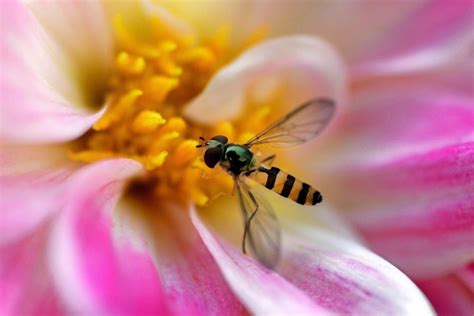
Not all insects are foes; many are invaluable allies in the fight against pests. Creating a welcoming habitat for beneficial insects like ladybugs, lacewings, and predatory wasps can significantly reduce pest populations. These natural predators feast on aphids, mites, and other destructive insects.
Planting a diverse range of flowering plants, especially those with small, open flowers, will attract these helpful creatures. Examples include dill, fennel, cilantro, cosmos, and sunflowers. Providing a small water source and shelter can further encourage them to take up residence in your garden.
Physical Barriers and Manual Control
Sometimes, the simplest solutions are the most effective. Physical barriers can prevent pests from even reaching your plants, while manual control offers immediate relief without chemicals.
- Row Covers: Lightweight fabric covers can protect young plants from flying insects like cabbage worms and squash bugs. Just remember to remove them for pollination if your plants require it.
- Netting: Finer netting can keep birds and larger pests away from ripening fruits.
- Hand-Picking: For larger pests like tomato hornworms or slugs, a daily patrol and hand-picking (then dropping them into soapy water) is surprisingly effective.
- Sticky Traps: Yellow sticky traps can catch flying pests like whiteflies, thrips, and fungus gnats.

Homemade Remedies and Organic Sprays
When an infestation starts to get out of hand, a few natural sprays can provide targeted intervention. Always test any spray on a small section of a plant first to ensure it doesn’t cause damage.
- Neem Oil Spray: Derived from the neem tree, this oil disrupts insect growth and feeding. It’s effective against aphids, spider mites, whiteflies, and more. Mix according to package directions and apply in the evening to avoid harming beneficial insects.
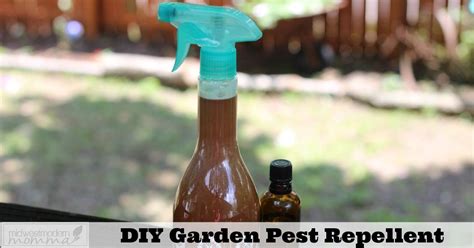
- Garlic or Pepper Spray: The strong scent and taste can repel many pests. Blend garlic cloves or hot peppers with water, strain, add a drop of mild soap, and spray.
- Insecticidal Soap: A simple solution of mild liquid soap and water can smother soft-bodied insects like aphids and spider mites. Use pure castile soap and avoid detergents, which can harm plants.
Consistent Monitoring and Maintenance
The key to a successful organic pest management strategy is regular observation. Inspect your plants daily or every few days, paying close attention to the undersides of leaves and new growth. Early detection of pest problems allows for quicker, less invasive intervention. Remove any diseased or heavily infested plant parts promptly to prevent spread.

Conclusion
Deterring common garden pests naturally from your organic vegetable patch is an ongoing process that requires patience and keen observation. By implementing these integrated strategies – focusing on healthy soil, companion planting, attracting beneficial insects, using physical barriers, and applying natural remedies when necessary – you can create a harmonious garden that thrives without chemical intervention. Your plants, your family, and the environment will thank you for it.