


Simple homemade feed recipes to boost backyard chicken egg production?

Why Homemade Feed for Better Eggs?
For many backyard chicken keepers, the joy of fresh eggs is paramount. While commercial feeds are convenient, crafting your own chicken feed offers numerous benefits, from knowing exactly what your hens are eating to potentially saving money and tailoring nutrition specifically for optimal egg production. Homemade feeds can be a game-changer, providing essential nutrients that might be lacking or less potent in standard mixes, leading to healthier hens and a more consistent supply of delicious eggs.
Understanding the nutritional needs of laying hens is the first step. They require a balanced diet rich in protein for egg formation, calcium for strong shells, and a good mix of vitamins and minerals for overall health and vitality. By focusing on these key components, you can significantly impact your flock’s laying capacity and the quality of their eggs.
Essential Nutrients for Prolific Layers
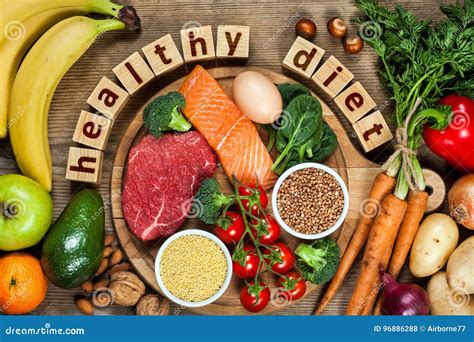
Before diving into recipes, let’s briefly review what makes a hen a super layer:
- Protein (16-18%): Crucial for egg white formation and overall bird health. Sources include legumes, sunflower seeds, and meat scraps.
- Calcium: Absolutely vital for strong eggshells. Oyster shells, crushed eggshells, and bone meal are excellent sources.
- Energy (Carbohydrates & Fats): Provided by grains like corn, oats, and barley, these fuel the hen’s body and egg-laying process.
- Vitamins & Minerals: A broad spectrum is needed for immune function, metabolism, and reproductive health. Green leafy vegetables, sprouted grains, and specific supplements contribute to this.
Recipe 1: The Basic Layer Booster Mix
This recipe focuses on a good balance of protein and energy, suitable for daily feeding.
Ingredients:
- 60% Whole Grains (e.g., 30% Corn, 20% Oats, 10% Barley)
- 20% Protein Source (e.g., Sunflower Seeds, Soy-free Legumes like field peas or lentils, or a mix)
- 10% Calcium Source (e.g., Crushed Oyster Shell, Dolomite Lime)
- 5% Alfalfa Meal (for vitamins and minerals)
- 5% Essential Seed Mix (e.g., Flaxseed for Omega-3s, Sesame Seeds for protein)
Instructions:
Combine all ingredients thoroughly. You can grind some or all of the grains and seeds for easier digestion, especially for younger layers. Store in an airtight container in a cool, dry place.

Recipe 2: High-Protein & Omega-3 Egg Enhancer
Designed to boost both egg production and the nutritional quality of the eggs themselves.
Ingredients:
- 50% Mixed Grains (e.g., 25% Wheat, 15% Oats, 10% Black Oil Sunflower Seeds)
- 25% High-Protein Meal (e.g., Fish Meal, or a blend of dried peas and lentils)
- 15% Calcium Source (e.g., Crushed Eggshells + Oyster Shells)
- 5% Flaxseed (ground, for Omega-3s)
- 3% Dried Herbs (e.g., Oregano, Parsley for health benefits)
- 2% Nutritional Yeast (for B vitamins)
Instructions:
Mix well. Ensure flaxseed is ground to maximize Omega-3 absorption. This mix is excellent for boosting yolk color and size, along with overall egg health. Offer free-choice alongside fresh water.
Recipe 3: Fermented Grain Powerhouse (Supplemental)
Fermenting grains increases nutrient bioavailability and digestibility, boosting gut health and overall hen vitality.
Ingredients:
- Any whole grains (e.g., Barley, Oats, Wheat, Corn)
- Non-chlorinated water
Instructions:
- Place desired amount of whole grains in a clean, food-grade bucket or jar.
- Cover grains with non-chlorinated water, ensuring there’s at least an inch of water above the grains.
- Cover loosely with a lid or cloth to allow air exchange.
- Let sit at room temperature (ideally 60-75°F / 15-24°C) for 2-3 days, stirring once or twice daily. You’ll notice bubbles and a sour, yeasty smell – a sign of healthy fermentation.
- Drain any excess water before feeding.
Offer fermented grains as a supplement, not the sole feed, usually in the morning. Start with small amounts and increase gradually. The benefits for gut health directly translate to better nutrient absorption and thus, better egg production.
![Homemade Samoa Girl Scout Cookies [4391x2908] [OS] [OC] : FoodPorn](/images/aHR0cHM6Ly90czIubW0uYmluZy5uZXQvdGg/aWQ9T0lQLllrWDhPUlRfV0Q2ZHpiUk1pUWpmdWdIYUU1JnBpZD0xNS4x.webp)
Tips for Maximizing Egg Production with Homemade Feeds
- Offer Grit: Chickens need insoluble grit (small stones) to help them digest their food, especially whole grains. Provide it free-choice.
- Fresh Water is Key: Access to clean, fresh water at all times is as crucial as quality feed for egg production.
- Observe Your Flock: Pay attention to your hens’ health, feather quality, and egg production. Adjust recipes as needed based on their response.
- Supplement with Foraging: Allow your chickens to free-range when possible. Foraging provides natural greens, insects, and grit, supplementing their diet naturally.
- Calcium on the Side: Always offer a separate source of calcium (like oyster shells) free-choice. Hens will consume what they need, especially when laying heavily.

Conclusion
Crafting your own chicken feed is a rewarding way to take control of your flock’s nutrition, ensuring they receive the precise balance needed for optimal health and prolific egg laying. By incorporating these simple, homemade recipes and following best practices, you can enjoy a consistent supply of delicious, nutrient-rich eggs from happy, healthy backyard chickens. Experiment with ingredients, observe your flock, and tailor your approach to find what works best for your specific environment and bird needs.