


How to build a raised garden bed that resists rot naturally?
Why Choose a Naturally Rot-Resistant Raised Bed?
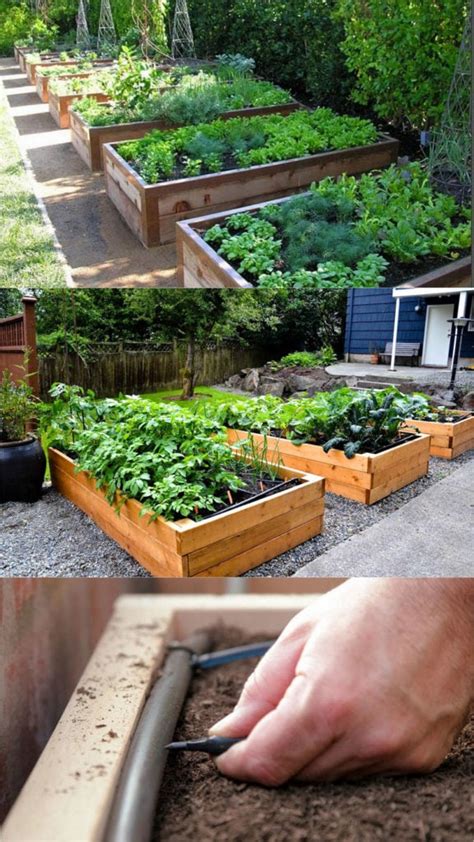
Raised garden beds offer numerous benefits, from improved soil drainage and warmth to easier accessibility and pest control. However, a common challenge is the eventual rot of the wood structure due to constant exposure to soil moisture and microbes. While treated lumber can resist rot, many gardeners prefer natural, chemical-free solutions, especially for growing edibles. Building a raised bed that resists rot naturally ensures longevity, saves money on replacements, and aligns with organic gardening principles.
Key Principles for Natural Rot Resistance
The secret to a long-lasting raised bed lies in understanding and mitigating the conditions that cause wood to rot. Rot is primarily caused by fungi that thrive in moist, oxygen-deprived environments. By addressing these factors, you can significantly extend the life of your garden bed.
- Material Selection: Choosing wood with natural rot-resistant properties is paramount.
- Drainage: Preventing standing water and ensuring proper airflow around the wood is crucial.
- Soil Contact: Minimizing direct, prolonged contact between the wood and constantly damp soil or ground reduces decay.
- Fasteners: Using appropriate, non-corrosive hardware prevents premature failure of joints.
Selecting the Right Materials
The foundation of a naturally rot-resistant raised bed is the material itself. Here are the best natural wood choices:
Premium Choices (Highly Resistant):
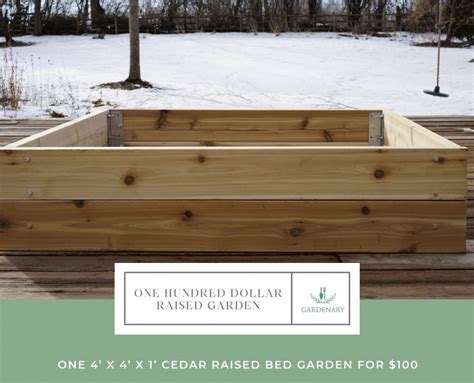
- Western Red Cedar: Widely available and celebrated for its natural oils that repel insects and resist decay. It’s lightweight, easy to work with, and holds up exceptionally well.
- Redwood: Similar to cedar, redwood boasts excellent rot and insect resistance due to its natural compounds. It’s often more expensive and less widely available outside of specific regions.
- Black Locust: An incredibly dense and durable hardwood, black locust is considered one of the most rot-resistant woods available, often lasting 50 years or more even in ground contact. It can be harder to source and work with due to its density.
- Osage Orange: Another extremely hard and rot-resistant wood, often used for fence posts. Like black locust, it’s very durable but can be challenging to find and cut.
Good Alternatives (Moderate Resistance):
- Cypress: Bald cypress heartwood offers good rot resistance, though it’s generally less resistant than cedar or redwood.
- White Oak: The heartwood of white oak has moderate resistance to decay, but it’s very heavy and can be difficult to work with.
Non-Wood Alternatives:
- Corrugated Galvanized Steel: While not wood, these panels are increasingly popular for their durability and sleek look, offering excellent rot resistance.
- Stone or Concrete Blocks: Completely impervious to rot, these materials create highly durable and long-lasting beds, though they can be more labor-intensive to build.

Smart Construction Techniques for Longevity
Even with the best wood, proper construction enhances rot resistance:
1. Elevate the Base
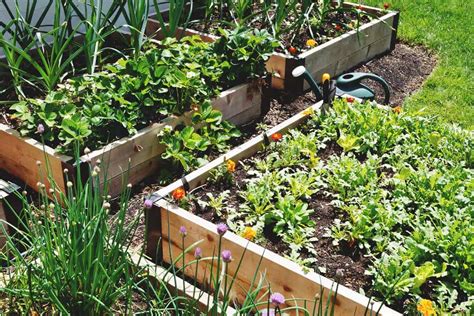
Avoid direct contact with the damp ground. Place your raised bed on a layer of gravel, pavers, or concrete blocks. This allows for air circulation underneath and prevents moisture from wicking up into the bottom boards.
2. Ensure Excellent Drainage
The soil inside your raised bed needs to drain well. Start with a base layer of coarse gravel or small rocks if your native soil drains poorly. Fill the bed with a well-draining soil mix that prevents waterlogging, which accelerates wood decay.
3. Use Permeable Liner (Optional but Recommended)
While not strictly necessary for highly rot-resistant woods, lining the inside of the wooden walls with heavy-duty, permeable landscape fabric can add an extra layer of protection. This fabric allows water to drain out but prevents constant, direct contact of damp soil with the wood, significantly extending its life. Do NOT use impermeable plastic sheeting, as this traps moisture and will promote rot.
4. Choose the Right Fasteners
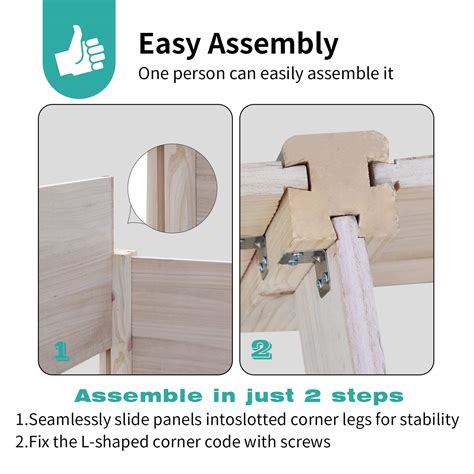
Use stainless steel screws or bolts for assembly. Galvanized screws are also an option but stainless steel offers superior corrosion resistance, ensuring your joints remain strong for decades. Regular steel screws will rust and degrade, compromising the structure.
5. Design for Airflow
If possible, design corners and joints to allow for some airflow rather than trapping moisture. Consider simple lap joints or corner posts that elevate the main sideboards slightly from the ground.
Step-by-Step Building Guide
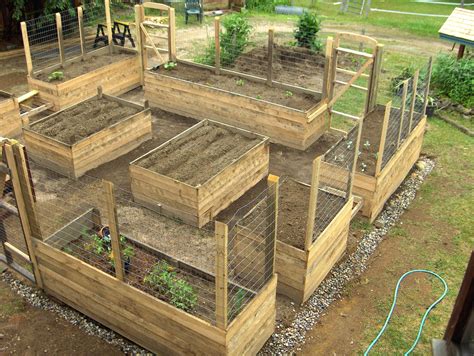
- Plan Your Design: Decide on the dimensions of your bed. Consider height for ease of access and drainage.
- Gather Materials: Purchase your chosen rot-resistant wood and stainless steel fasteners.
- Cut Your Lumber: Cut the sideboards and corner posts (if using) to the desired lengths.
- Assemble the Frame: Lay out your pieces and pre-drill holes to prevent wood splitting, then fasten the boards together using your stainless steel screws. Ensure corners are square.
- Site Preparation: Clear the chosen location. Lay down a weed barrier (cardboard or landscape fabric) if desired, then add a layer of gravel or pavers for elevation and drainage.
- Position and Level: Place your assembled bed on the prepared site. Use a level to ensure it sits evenly.
- Add Liner (Optional): Staple permeable landscape fabric to the inside walls of the bed, ensuring it goes down to the base.
- Fill with Soil: Add your well-draining raised bed soil mix.
Ongoing Maintenance for Longevity
Once your naturally rot-resistant raised bed is built, a little ongoing care can further extend its life:
- Monitor Drainage: Ensure water drains freely. If you notice pooling, you might need to amend your soil or check for clogged drainage layers.
- Inspect Annually: Check for any signs of rot, especially at ground level or corners. Address small issues before they become major problems.
- Keep Soil Level: Try to keep the soil level a few inches below the top edge of the wood to prevent soil from constantly touching the very top edge, especially if you have a wide cap on your bed.
Conclusion
Building a raised garden bed that resists rot naturally is a rewarding DIY project that ensures years of productive and beautiful gardening. By carefully selecting your materials, implementing smart construction techniques, and maintaining good drainage, you can create a durable, chemical-free growing space that stands the test of time. Embrace the natural beauty and longevity of rot-resistant woods for a truly sustainable garden.