




Prevent deer eating your homestead garden veggies organically?

For many homesteaders, the joy of growing fresh, organic vegetables is often tempered by the persistent challenge of deer. These graceful, yet ravenous, creatures can decimate a garden overnight, turning months of hard work into a landscape of nibbled stems and missing produce. The good news is that protecting your bounty doesn’t require harsh chemicals. By understanding deer behavior and implementing a combination of organic strategies, you can enjoy a thriving garden safe from hungry visitors.
Understanding Your Wild Neighbors
Deer are creatures of habit and opportunity. They are attracted to gardens primarily because they offer an easy, concentrated food source, especially when natural forage is scarce. Young, tender plants are particularly appealing. To effectively deter them, we need to think like a deer and disrupt their access and comfort levels in our garden space without resorting to harmful substances.

Physical Barriers: The Most Reliable Organic Defense
When it comes to keeping deer out organically, physical barriers are often the most effective and reliable solution. They create an undeniable boundary that deer simply cannot cross.
Fencing: Your First Line of Defense
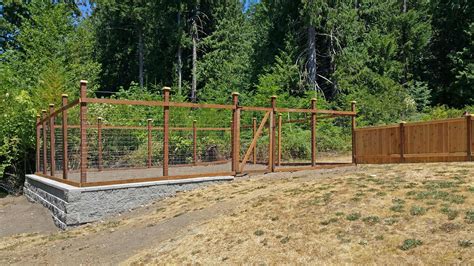
A well-constructed fence is paramount. For deer, a fence needs to be at least 7 to 8 feet tall, as they are impressive jumpers. Options include:
- Woven Wire Fencing: Durable and long-lasting, often requiring sturdy posts and regular inspection.
- Electric Fencing: A single strand or two of electric wire, strategically placed at nose height, can be surprisingly effective. Baiting with peanut butter on aluminum foil strips can help teach deer to avoid it.
- Double Fencing: Two shorter fences (around 4-5 feet tall) spaced 3-5 feet apart can confuse deer, making them unwilling to jump into what appears to be a confined space.
Netting and Row Covers
For individual beds or specific vulnerable crops, fine mesh netting or row covers can provide temporary protection. Ensure they are securely anchored to the ground so deer cannot push underneath. This method is excellent for protecting brassicas, berries, and young seedlings.
Organic Repellents: Appealing to Their Senses
While not as foolproof as fencing, organic repellents can add another layer of deterrence by making your garden less appealing through taste or smell. Consistency is key, as deer can get used to deterrents, so rotate methods regularly.
Scent-Based Repellents
- Homemade Concoctions: Sprays made from rotten eggs, hot pepper, garlic, or even human hair (from a local barber) can make plants unappetizing. Reapply frequently, especially after rain or heavy dew.
- Predator Urine: Granules of fox or coyote urine, available commercially, can signal danger to deer. Place them around the garden perimeter.
- Strongly Scented Soaps: Hanging strongly scented bar soap (like Irish Spring) in mesh bags from stakes or branches can deter deer, though their effectiveness varies.
Taste-Based Repellents
Some commercial organic sprays work by coating plants with a bitter or unpleasant-tasting substance that is harmless to plants and humans but repulsive to deer. Always choose products certified for organic use and follow application instructions carefully.

Smart Planting Strategies: Deer-Resistant Choices
While no plant is 100% deer-proof, some are significantly less appealing due to their texture, strong scent, or toxicity. Integrating these into your garden plan can reduce browsing pressure.
Deer-Resistant Plants
Consider planting herbs like mint, rosemary, sage, thyme, and lavender. Flowers such as marigolds, daffodils, poppies, and foxgloves are also often avoided. Interspersing these strong-smelling plants among your more vulnerable vegetables can offer some protection.
Companion Planting
Strategic companion planting can also play a role. For example, planting garlic or onions around the perimeter of a vegetable bed might deter deer due to their strong aroma, acting as a natural barrier for more palatable crops.

Other Organic Deterrents and Best Practices
A holistic approach often yields the best results. Combine several methods for maximum effectiveness and adapt to your local deer population’s habits.
- Motion-Activated Sprinklers: Unexpected bursts of water can startle and deter deer, especially at night. Position them strategically to cover vulnerable areas.
- Dogs: A vigilant dog patrolling the yard can be a powerful deterrent, but ensure your dog doesn’t cause damage to your garden either.
- Garden Cleanliness: Remove fallen fruits and vegetables promptly to eliminate additional attractants that might draw deer closer to your garden space.
- Regular Presence: Frequent human activity in the garden can make deer feel less comfortable venturing in, as they generally prefer undisturbed areas.

Conclusion
Protecting your homestead garden from deer organically is an ongoing process that requires patience and a multi-faceted approach. No single solution is perfect, but by combining robust physical barriers, strategic repellents, smart planting choices, and consistent vigilance, you can significantly reduce deer damage and enjoy a flourishing, chemical-free harvest. Embrace these humane and sustainable strategies, and your garden will thank you.