

What specific behind-the-scenes step from garden-to-table shows authentic real food effort?
Setting the Stage: Unpacking “Real Food” Effort
The garden-to-table movement has captivated countless enthusiasts, promising fresh, wholesome ingredients and a deeper connection to our food sources. While planting seeds, nurturing sprouts, and harvesting ripe produce are undeniably fundamental, many of these steps, while rewarding, have become somewhat normalized. They represent the foundational commitment. But when we talk about *authentic real food effort* – the kind that truly sets a home chef or gardener apart – we need to delve deeper, beyond the visual aesthetics of a bountiful harvest or a perfectly plated dish.
So, what specific, behind-the-scenes step truly embodies the dedication, skill, and sheer labor that defines an unwavering commitment to real food? It’s not just about growing it; it’s about what happens *after* the harvest that separates the casual enthusiast from the truly devoted.

Beyond the Basic Harvest: Where True Dedication Shines
Many steps in the food chain involve effort: choosing seeds, amending soil, weeding, watering, and even preparing a meal from scratch. These are all commendable. However, for a step to be considered the pinnacle of authentic real food effort, it must demand more than just routine care or basic culinary skills. It must involve significant time, specialized knowledge, and often, physical labor, transforming raw ingredients into something more complex, stable, or refined.
This is where the less glamorous, often overlooked, stages come into play. It’s the moment when the bounty of the garden meets human ingenuity and perseverance to extend its life, enhance its flavor, or change its very form. This particular effort ensures that the fleeting abundance of the growing season can be enjoyed year-round, reducing waste and maximizing nutritional value.
The Unsung Hero: Post-Harvest Transformation and Preservation
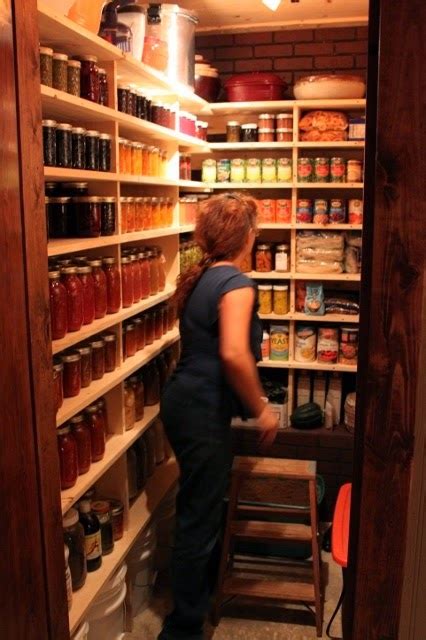
The single most authentic behind-the-scenes step demonstrating real food effort is the comprehensive **post-harvest transformation and traditional food preservation** of the garden’s yield. This encompasses everything from extensive processing of raw produce into finished ingredients (like making sauce, milling grains, or crafting cheese from raw milk) to labor-intensive preservation methods such as canning, fermenting, or dehydrating.
Why this step? Because it demands a multi-faceted skill set that goes far beyond gardening. It requires:
- Specialized Knowledge: Understanding food science, microbiology, sanitation, and specific preservation techniques (e.g., pH levels for canning, optimal temperatures for fermentation).
- Significant Time & Labor: These processes are rarely quick. Peeling and dicing dozens of pounds of tomatoes, simmering sauces for hours, sterilizing jars, monitoring fermentation, or turning fruits for dehydration are immensely time-consuming and often physically demanding tasks.
- Commitment to Self-Sufficiency: It’s a conscious choice to create food from scratch, relying on one’s own labor and resources rather than convenience products.
- Waste Reduction: Maximizing the use of a harvest prevents spoilage and extends the value of the gardening effort.

Examples of Authentic Processing Effort
Consider these intensive examples:
- Making & Canning Tomato Sauce/Paste from Scratch: This involves blanching, peeling, seeding, chopping, slow-simmering for hours to reduce, seasoning, then sterilizing jars and processing them in a water bath canner. It’s a full-day, often multi-day, commitment for a significant yield.
- Fermenting Vegetables (e.g., Sauerkraut, Kimchi): Beyond simple chopping, this requires precise salt ratios, careful packing, creating anaerobic conditions, and daily monitoring over weeks or even months to achieve the desired flavor and safety.
- Milling Grains into Flour: For those who grow wheat or other grains, taking the raw kernels and grinding them into usable flour is a significant effort requiring specialized equipment and time.
- Dehydrating Fruits & Vegetables: Preparing produce by slicing thinly, arranging on trays, and running a dehydrator for extended periods, sometimes days, to perfectly preserve items without spoilage.

The True Taste of Effort
The payoff for this profound effort is multifaceted. Beyond the sheer satisfaction of creating something wholesome and delicious from scratch, home-preserved and processed foods often boast superior flavor and nutritional profiles compared to their store-bought counterparts. There’s an unparalleled pride in opening a jar of homemade tomato sauce in winter, knowing every ingredient was grown with care and preserved with dedication.
This deep dive into post-harvest transformation signifies not just a passing interest but a profound dedication to understanding and controlling every aspect of one’s food, embodying the very essence of authentic real food effort. It’s the silent labor in the kitchen or pantry that truly defines the commitment behind the garden-to-table philosophy.
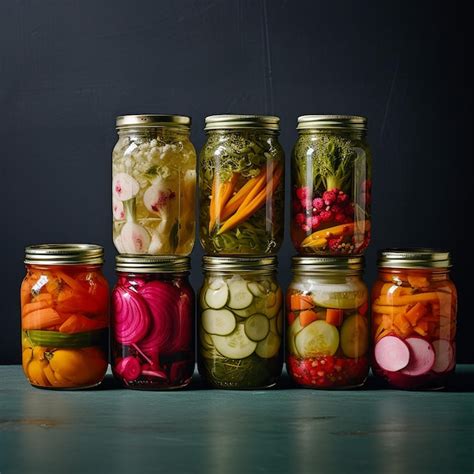
Ultimately, while all steps in the garden-to-table journey contribute to a healthier lifestyle, the extensive, knowledge-intensive, and time-consuming processes of transforming and preserving a harvest stand out as the most authentic demonstration of real food effort. It’s a testament to skill, patience, and a deep respect for the food we eat.