


What’s the secret to perfectly crisp homemade dill pickles?
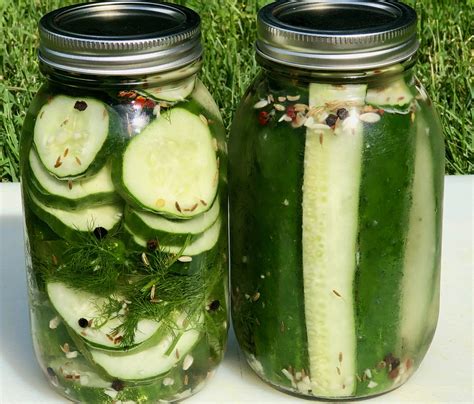
There’s nothing quite like the tangy, garlicky crunch of a perfectly homemade dill pickle. Yet, for many home canners, achieving that coveted crispness remains an elusive goal, often resulting in disappointing, soft spears. What’s the magic touch that separates the soggy from the snappy? The secret lies in a combination of factors, from selecting the right produce to mastering your brining technique and incorporating time-tested tricks.
The Quest for the Ultimate Crunch: Starting with the Best Cucumbers
The foundation of any great pickle is, naturally, the cucumber itself. Not all cucumbers are created equal when it comes to pickling. Opt for pickling cucumbers, often labeled “Kirby” or “gherkin” varieties, which are specifically bred to be firm, small, and have thin skins, making them ideal for absorbing brine without becoming mushy. Crucially, they must be fresh – ideally picked within 24 hours. The enzymes that cause softening begin working immediately after harvest, so freshness is paramount. Trim off a tiny slice from the blossom end; this end contains enzymes that can soften your pickles.
The Brine: A Symphony of Salt and Acid
The brining solution is the heart of your pickle. A proper balance of salt and vinegar is essential for both preservation and crispness. Use pickling salt, which is pure sodium chloride without anti-caking agents that can cloud your brine. Avoid iodized salt. The vinegar should have at least 5% acidity, with white distilled vinegar being a popular choice for its clean flavor. The salt draws moisture out of the cucumbers, while the acid in the vinegar helps preserve their texture and prevents spoilage. Don’t skimp on either!
For truly crisp pickles, many recommend a cold pack method. Instead of pouring hot brine over warm cucumbers, pour hot brine over cold, freshly packed cucumbers. This rapid temperature change helps to shock the cucumber cells, maintaining their rigidity.
Secret Weapons for Snap: Tried and True Additives
Beyond the basics, several additives can give your pickles that extra snap:
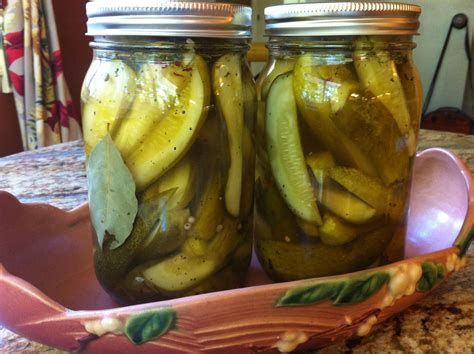
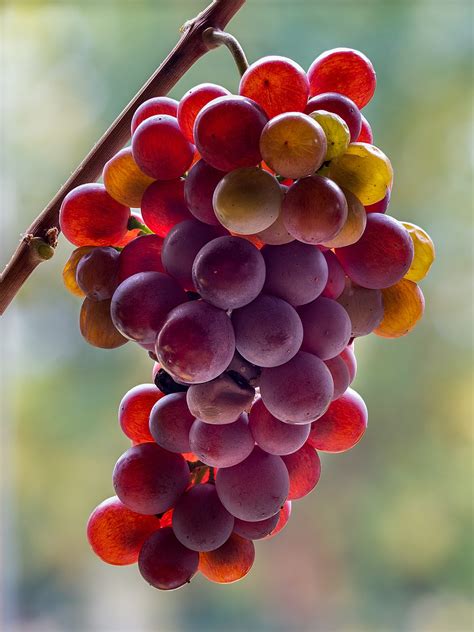
- Grape Leaves: A natural source of tannins, fresh grape leaves (or oak leaves, horseradish leaves) can be added to each jar. Tannins inhibit pectinase, an enzyme that breaks down cell walls and causes softening.
- Pickle Crisp (Calcium Chloride): This widely available additive, often sold under brand names like “Pickle Crisp,” is pure calcium chloride. It forms calcium pectate, which strengthens the cell walls of the cucumbers, resulting in a much firmer pickle. A small amount goes a long way.
- Alum: Historically used for crispness, food-grade alum (potassium aluminum sulfate) works similarly to calcium chloride. However, it can sometimes leave a slightly chalky taste if overused, and many modern recipes favor calcium chloride.
The Pickling Process: Timing and Technique Matter
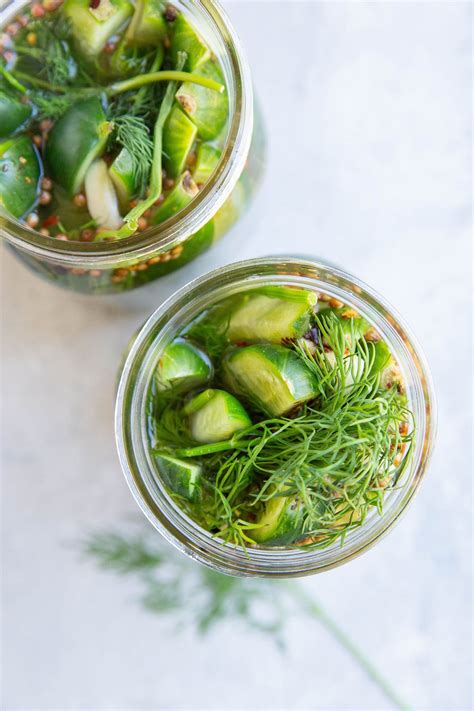
Once your cucumbers are prepared and your brine is ready, careful packing and processing are crucial. Pack the cucumbers tightly into sterilized jars, leaving appropriate headspace. Add your dill, garlic, spices, and any crisping agents like grape leaves or pickle crisp. Pour the hot brine over the packed cucumbers, ensuring they are fully submerged. Remove air bubbles, adjust headspace, and seal with new lids.
Processing in a boiling water bath for the recommended time (which varies by altitude and jar size) is essential for food safety and a proper seal. Over-processing can lead to softer pickles, so stick to the recipe’s specified times. After processing, let the jars cool undisturbed on the counter for 12-24 hours before checking seals. Store in a cool, dark place.

Patience is a Virtue (Especially for Pickles)
While the temptation to taste your creations immediately is strong, resist! Homemade pickles need time to cure. Allow them to sit for at least 3-6 weeks before opening. This curing period allows the flavors to meld and the brine to fully penetrate the cucumbers, enhancing both taste and texture. The longer they sit (within reason), the crisper and more flavorful they often become.
Unlock the Secret to Pickle Perfection
Achieving perfectly crisp homemade dill pickles isn’t a single secret, but rather a combination of diligent practices: starting with the freshest pickling cucumbers, mastering your brine ratios, strategically using crisping agents, and carefully following processing and curing times. Embrace these techniques, and you’ll soon be enjoying that satisfying, tangy crunch that makes homemade pickles truly superior.