



Tips for making garden vegetables taste amazing, not mushy?
Unlock the Flavor Potential of Your Harvest
There’s nothing quite like the satisfaction of harvesting fresh vegetables from your own garden. The vibrant colors and earthy aroma promise a delicious meal. However, many home cooks face a common dilemma: how to cook these beautiful greens without turning them into a bland, mushy mess. The good news is, with a few simple techniques and a focus on timing, you can consistently achieve amazing flavor and perfect texture.
Start with the Freshest Produce
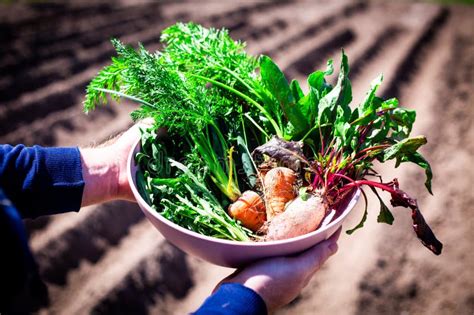
The journey to amazing-tasting vegetables begins even before they hit the pan. Freshness is paramount. Harvest your vegetables at their peak ripeness and cook them as soon as possible. If immediate cooking isn’t an option, store them properly to maintain their crispness and nutrient content. Leafy greens benefit from a quick wash and storage in a breathable bag in the fridge, while root vegetables prefer a cool, dark place.
The Art of Preparation: Cleaning and Cutting
Proper preparation is crucial. Wash your vegetables thoroughly to remove any soil or debris. For many vegetables, uniformity in cutting size is key to even cooking. If you’re cooking different types of vegetables together, consider their cooking times. Harder vegetables like carrots or potatoes might need smaller cuts or a head start compared to softer ones like zucchini or bell peppers.
Choose Your Cooking Method Wisely
The cooking method you choose profoundly impacts the final texture and flavor. Different vegetables shine under different heat applications.
Roasting for Deep Flavor
Roasting brings out the natural sweetness and creates a lovely caramelized exterior. Toss vegetables with a good quality olive oil, salt, pepper, and herbs before spreading them in a single layer on a baking sheet. High heat (around 400-425°F or 200-220°C) is essential. Think broccoli, carrots, Brussels sprouts, and potatoes.

Blanching for Vibrant Crispness
Blanching involves briefly submerging vegetables in boiling salted water, then immediately plunging them into an ice bath to stop the cooking process. This method preserves their vibrant color and a crisp-tender texture, perfect for green beans, asparagus, and broccoli florets before adding them to salads or lighter dishes.
Sautéing and Stir-Frying for Quick Perfection
These methods are fantastic for quick cooking and maintaining a slight bite. Use a hot pan with a small amount of oil. Sautéing is great for single vegetables or smaller batches, while stir-frying suits a medley of thinly sliced vegetables. The key is high heat and constant motion.
Seasoning to Enhance, Not Overpower
Fresh garden vegetables have incredible natural flavors that often just need a little boost. Don’t be afraid to season generously with salt and freshly ground pepper. Acidic elements like a squeeze of lemon juice or a splash of vinegar can brighten flavors, especially with greens. Fresh herbs added at the end of cooking can also elevate the dish dramatically. Experiment with garlic, onion, and spices to complement your chosen vegetables.
The Golden Rule: Don’t Overcook!
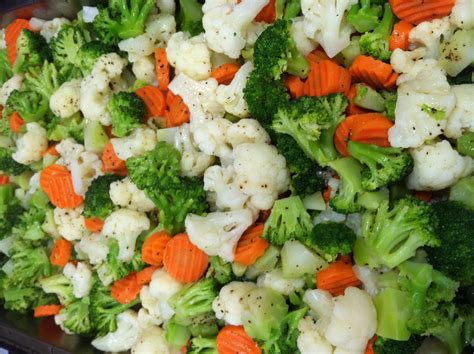
This is arguably the most critical tip to avoid mushy vegetables. Most vegetables are best enjoyed when they are crisp-tender – still having a slight bite to them. Keep a close eye on your cooking, especially when blanching or stir-frying, as these methods cook very quickly. Use a fork or a small taste test to check for doneness. Remember, vegetables continue to cook slightly even after they’re removed from the heat.
Finishing Touches for Extra Zing
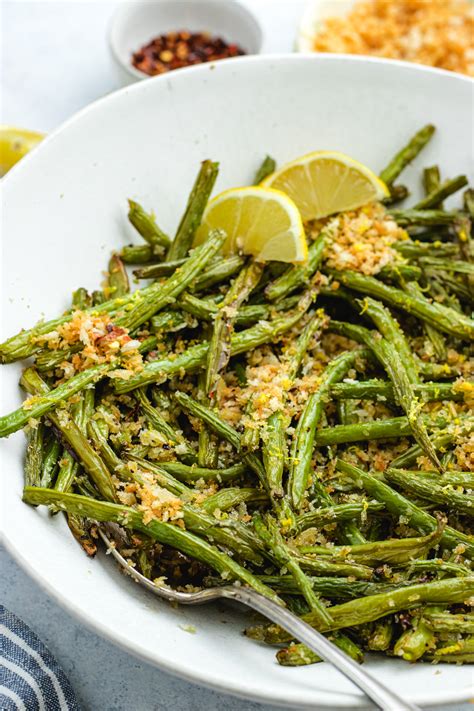
Once cooked, consider adding a few finishing touches to really make your vegetables sing. A drizzle of high-quality extra virgin olive oil, a sprinkle of fresh herbs like parsley or cilantro, a grating of Parmesan cheese, or a dash of chili flakes can provide that extra layer of flavor and texture that transforms a simple side into a star.
Embrace the Potential
Cooking garden vegetables to perfection doesn’t have to be intimidating. By paying attention to freshness, preparation, cooking methods, and most importantly, not overcooking, you can consistently create dishes that are bursting with flavor and boast an irresistible texture. Your taste buds, and your garden, will thank you!