


How to preserve summer garden bounty without canning?
Beyond the Jar: Creative Ways to Store Your Summer Harvest
The peak of summer brings an abundance of fresh produce from the garden, a joyous sight for any country living enthusiast. While traditional canning has its place, it’s not the only way to safeguard your bounty for the colder months. Many excellent preservation methods require less fuss, specialized equipment, or heat, making them perfect for those seeking simpler, equally effective solutions.
From crisp beans to fragrant herbs, learn how to extend the life of your homegrown treasures and enjoy the taste of summer long after the season fades.
Freezing: The Ultimate Convenience
Freezing is arguably one of the easiest and most versatile methods for preserving almost any fruit or vegetable. For most vegetables, a quick blanch in boiling water followed by an ice bath helps maintain color, flavor, and texture. Think green beans, corn kernels, peas, and broccoli florets. Simply dry them thoroughly, spread them on a baking sheet to freeze individually (prevents clumping), then transfer to freezer bags or containers.
Fruits, like berries, peaches, and cherries, often require less prep; simply wash, dry, and freeze them whole or sliced. Herbs can also be frozen, either chopped in ice cube trays with a little water or olive oil, or whole in freezer bags.
Drying and Dehydrating: Concentrated Flavor
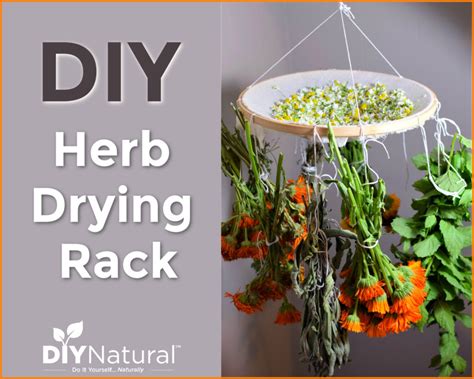
Drying removes moisture, concentrating flavors and significantly extending shelf life. A food dehydrator is an excellent investment, offering controlled heat and airflow. However, you can also air-dry herbs by hanging them in bundles in a warm, well-ventilated area, or sun-dry fruits like tomatoes and apricots in arid climates.
Thinly sliced fruits (apples, bananas, berries) and vegetables (zucchini, carrots, bell peppers) become delicious, shelf-stable snacks or ingredients for soups and stews. Dried herbs retain their potency for months, ready to infuse your winter dishes with garden freshness.
Fermentation: A Living Preservation Method
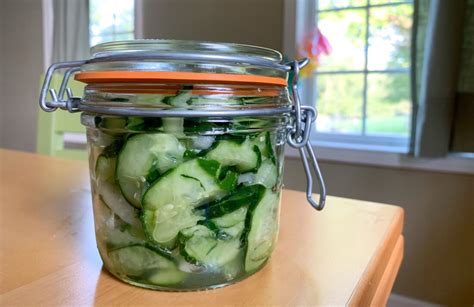
Fermentation is an ancient art that not only preserves food but also enhances its nutritional value and creates unique flavors. Lactic acid fermentation, using salt to draw out water and create an anaerobic environment, is common for vegetables. Think sauerkraut from cabbage, tangy pickles from cucumbers, or even fermented carrots and green beans.
All you need are clean jars, vegetables, salt, and water (for brine). The beneficial bacteria do the rest, transforming your fresh produce into delicious, gut-healthy preserves that can last for months in a cool, dark place or refrigerator.
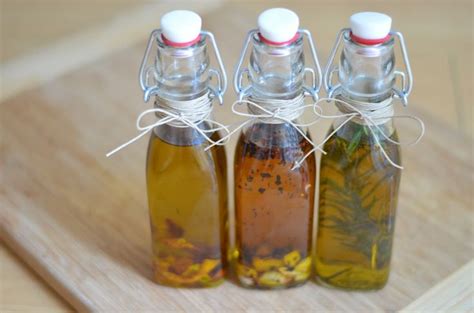
Infused Oils and Vinegars: Savory Additions
While not for long-term storage of the produce itself, infusing oils and vinegars with garden herbs and garlic is a fantastic way to capture and preserve their flavors. Rosemary, thyme, oregano, basil, and chilies can be steeped in olive oil or apple cider vinegar to create aromatic dressings, marinades, and cooking oils. Ensure herbs are completely dry to prevent spoilage.
These infusions make wonderful culinary gifts and elevate everyday meals. Always store infused oils in the refrigerator and use them within a few weeks to prevent bacterial growth, especially with garlic infusions.

Cool Storage and Root Cellaring: Nature’s Refrigerator
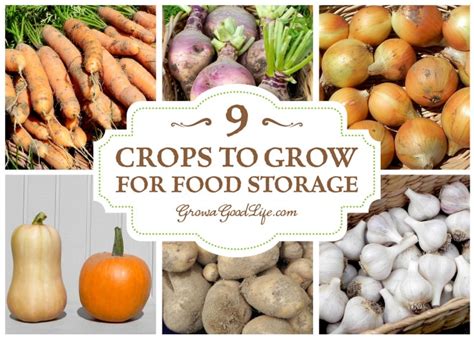
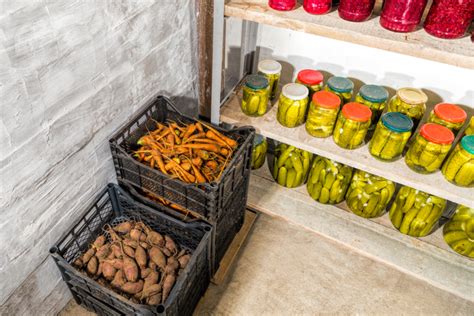
For certain crops, simply storing them in a cool, dark, and humid environment can extend their freshness for months. This method is ideal for root vegetables like potatoes, carrots, beets, and parsnips, as well as onions, garlic, and winter squash. A dedicated root cellar is perfect, but a cool basement, unheated garage, or even a buried container can serve the purpose.
Ensure produce is clean and free of blemishes. Store items like apples separately, as they can emit ethylene gas that hastens the ripening of other produce. With proper ventilation and humidity, you can enjoy these staples well into winter.
Embracing the Uncanned Harvest
Preserving your summer garden bounty doesn’t have to be an arduous task confined to hot water baths and pressure canners. By exploring methods like freezing, drying, fermenting, infusing, and cool storage, you can efficiently save the flavors of the season with less effort and specialized equipment. Each technique offers unique benefits, allowing you to tailor your preservation strategy to your harvest and your family’s preferences. Enjoy the satisfaction of a well-stocked pantry, filled with the delicious taste of your hard work, all year long.