



Why won’t my homemade sourdough bread recipe rise consistently?
The Frustration of the Flat Loaf: Decoding Sourdough Inconsistency
There’s nothing quite like the satisfaction of a beautifully risen, airy sourdough loaf – and few things as deflating as a dense, flat one. If your homemade sourdough bread rises inconsistently, you’re not alone. This is a common challenge for many home bakers, but understanding the underlying factors can help you achieve more predictable and delightful results.
The Heart of Your Loaf: Your Sourdough Starter
The most crucial element in any sourdough recipe is, without a doubt, your starter. Its health and activity level directly dictate your bread’s rise. If your starter isn’t robust, your dough won’t have the power it needs to lift.
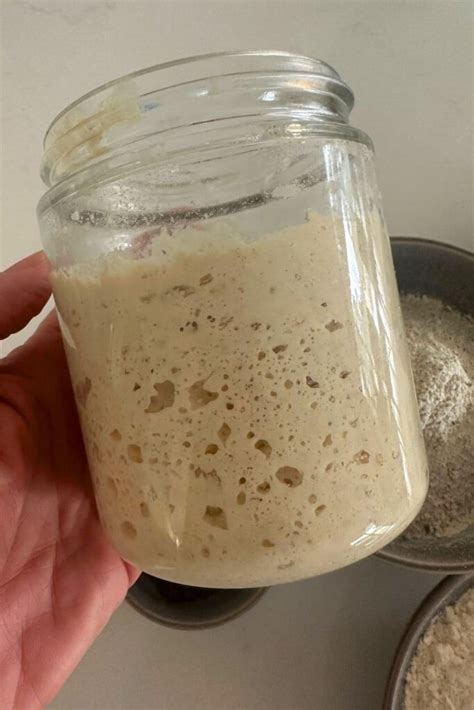
- Is it active enough? A healthy starter should double (or more) in size after feeding, be bubbly throughout, and pass the float test (a small spoonful floats in water).
- Feeding Ratio and Frequency: Consistent feeding with the right ratio of flour and water (e.g., 1:1:1 starter:flour:water by weight) is key. Feeding too infrequently or with incorrect ratios can weaken it.
- Environmental Temperature: Starters thrive in warmth (around 70-78°F or 21-26°C). Colder temperatures slow down fermentation, leading to a less active starter.
Understanding Your Ingredients
While often overlooked, the quality and type of your ingredients play a significant role in dough development and rise.
- Flour Quality and Type: Different flours have varying protein contents, which affect gluten development. A strong bread flour with higher protein (12-14%) is generally preferred for sourdough to create a robust gluten network. Whole wheat flour will absorb more water and create a different texture.
- Water Quality and Temperature: Filtered water is often recommended, as chlorine can inhibit yeast activity. The temperature of your water influences the initial dough temperature, which in turn affects fermentation speed.
- Salt’s Role: Salt is vital for flavor and also strengthens the gluten structure, but too much can inhibit yeast activity. Ensure you’re measuring accurately.
Mastering the Process: Hydration, Proofing, and Shaping
Hydration Levels
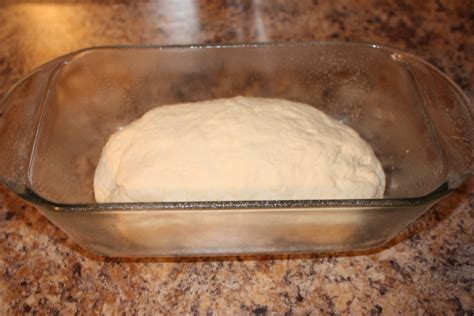
The amount of water in your dough (hydration) significantly impacts its workability and final texture. Too little water can result in a dense, tight crumb, while too much can make the dough difficult to handle and fail to hold its shape, leading to a flat loaf.
- Adjusting for Flour Absorption: Different flours absorb water differently. You might need to adjust your recipe’s water content slightly based on the flour you’re using.
Dough Temperature & Proofing
Proofing is the fermentation process where the dough rises. It’s a delicate balance that is heavily influenced by temperature.
- Room Temperature vs. Bulk Fermentation: Consistency in your bulk fermentation temperature is crucial. Fluctuations can lead to under- or over-fermented dough.
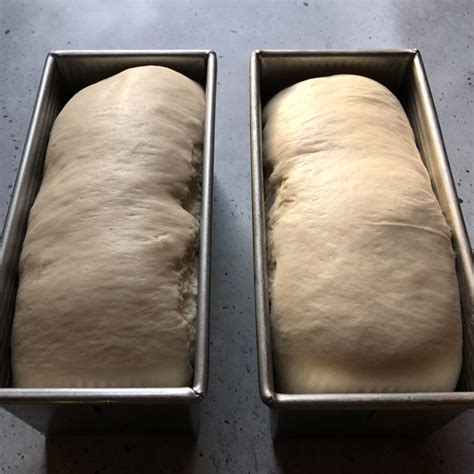
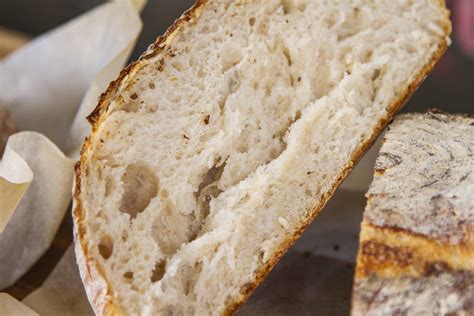
- Underproofing vs. Overproofing: Underproofed dough won’t have developed enough gas and will have a dense crumb. Overproofed dough, however, will have exhausted its yeast activity, leading to a collapsed structure and little oven spring. Learning to read your dough (poke test, observing volume) is key.
- Cold Proofing: A cold proof in the refrigerator slows fermentation, allowing for flavor development and making the dough easier to handle, but it requires careful timing.
Shaping Techniques
Proper shaping isn’t just for aesthetics; it builds tension in the dough, creating a skin that helps the loaf hold its structure during baking and allows it to spring upwards. Without good tension, the dough will spread outwards instead of rising.

Environmental Factors Matter
The environment in your kitchen plays a larger role than you might think.
- Room Temperature and Humidity: These factors directly affect your starter’s activity and your dough’s fermentation rate. A warmer, more humid environment will accelerate processes, while a cooler, drier one will slow them down. Try to maintain a consistent environment or adjust your proofing times accordingly.
Troubleshooting and Tips for Consistency
- Keep a Baking Journal: Document your starter’s feeding schedule, dough hydration, room temperature, proofing times, and baking results. This data is invaluable for identifying patterns and making informed adjustments.
- Be Patient and Observant: Sourdough baking is more about observing your dough than strictly adhering to timings. Learn to recognize the visual and tactile cues of a healthy, properly proofed dough.
- Adjusting Based on Results: Don’t be afraid to tweak your recipe or process. If your loaf is consistently flat, try reducing hydration slightly, increasing your starter’s activity, or shortening your bulk ferment.
Conclusion
Achieving consistent sourdough rises is a journey of learning, observation, and adjustment. By paying close attention to your starter’s health, understanding your ingredients, mastering your technique, and being mindful of your environment, you’ll be well on your way to baking beautiful, consistently risen sourdough loaves that you can be proud of. Happy baking!