
Best ways to involve kids in garden-to-table meals?

Cultivating Curiosity: Why Involve Kids in Garden-to-Table?
Connecting with nature and understanding where food comes from are invaluable lessons for children. Garden-to-table meals offer a unique opportunity to teach these concepts in a hands-on, enjoyable way. Beyond education, involving kids fosters healthy eating habits, boosts self-esteem, and creates lasting family memories. When children participate in the journey from seed to plate, they’re more likely to try new foods and appreciate the effort behind each meal.
From Seed to Sprout: Engaging in the Garden Stage
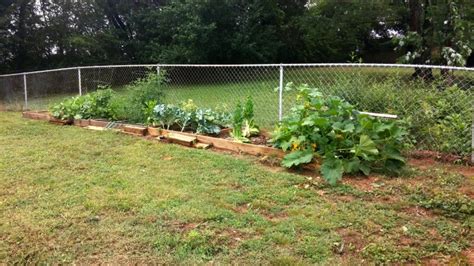
The garden itself is a magical classroom. Start by letting your children help choose what to grow. Giving them a sense of ownership over specific plants – whether it’s cherry tomatoes, snap peas, or strawberries – can dramatically increase their interest. Explain the needs of plants, from sunlight to water, and involve them in tasks like preparing the soil, planting seeds or seedlings, and watering. Assigning simple, age-appropriate chores such as weeding a small patch or checking on plant growth daily can make them feel like vital contributors.
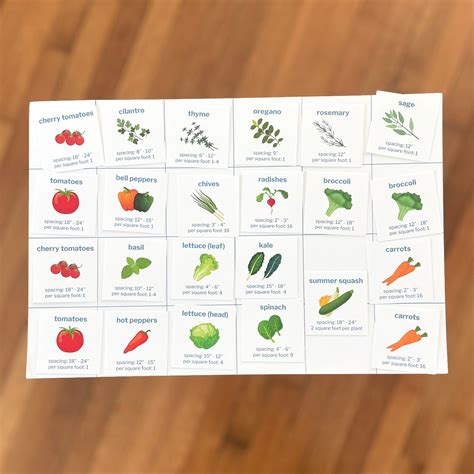
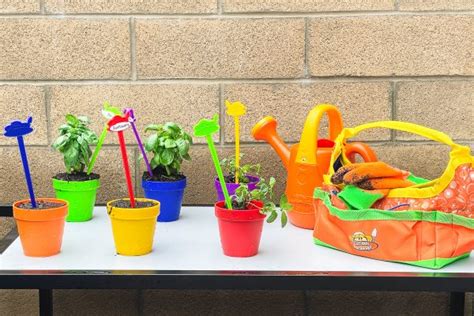
Even without a sprawling backyard, container gardening on a patio or windowsill can offer the same enriching experience. Herbs, lettuce, and small vegetables thrive in pots and are perfect for little hands to tend. This initial stage builds anticipation and a direct connection to the food they will eventually eat.
The Thrill of the Harvest: Picking and Prepping Produce
Harvesting is often the most exciting part for kids. The moment they pluck a ripe tomato or pull a carrot from the earth is pure joy and a tangible reward for their hard work. Teach them how to identify ripe produce and the gentle art of picking. Once harvested, involve them in the initial cleaning and simple preparation tasks.
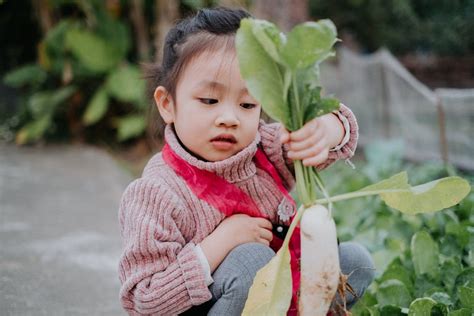
For younger children, this might mean washing lettuce leaves in a colander or snapping green beans. Older kids can help shell peas, pluck herb leaves, or even use child-safe knives for softer vegetables under supervision. These steps bridge the gap between the garden and the kitchen, making the transition seamless and exciting.
Culinary Adventures: Cooking and Creating in the Kitchen
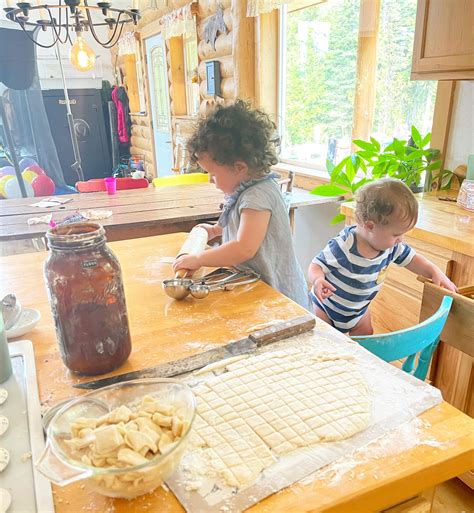
Once the ingredients are prepped, move the fun into the kitchen. The key here is to find age-appropriate tasks that build confidence without overwhelming them. For toddlers, stirring ingredients, tearing lettuce for salads, or mashing soft vegetables are great starting points. Preschoolers can measure ingredients, pour liquids, or set the table.

Elementary-aged children can take on more responsibility, like chopping softer vegetables with a blunt knife, grating cheese, or mixing dough. Involve them in choosing recipes that highlight your garden’s bounty. Let them contribute ideas for how to use the harvested ingredients. Emphasize kitchen safety, always supervising closely, especially around heat and sharp objects. This active participation transforms cooking from a chore into a creative and collaborative family activity.
Feast and Share: Enjoying the Garden-to-Table Meal
The final, and perhaps most rewarding, stage is sitting down together to enjoy the fruits (and vegetables!) of your labor. Children are much more likely to eat and enjoy meals they have helped create. Encourage them to talk about their favorite parts of the process, from planting the seed to stirring the pot. This is an excellent time to discuss flavors, textures, and the nutritional benefits of the food.

Make mealtime a celebration of your collective effort. Even if some parts of the meal weren’t entirely kid-grown, highlight the components that were. This positive reinforcement strengthens their connection to healthy eating and encourages them to participate in future garden-to-table endeavors. It’s not just about the food; it’s about the stories, the effort, and the shared experience that makes these meals truly special.
Nurturing Healthy Habits for Life
Involving kids in garden-to-table meals is more than just a fun activity; it’s an investment in their health and development. It teaches patience, responsibility, basic science, and culinary skills. More importantly, it instills an appreciation for fresh, whole foods and the process of growing them. By cultivating their curiosity and involvement from the ground up, you’re helping your children grow into confident, adventurous eaters with a deeper understanding of food and a lifelong connection to healthy living.