



What natural spray deters aphids on homemade tomato plants?
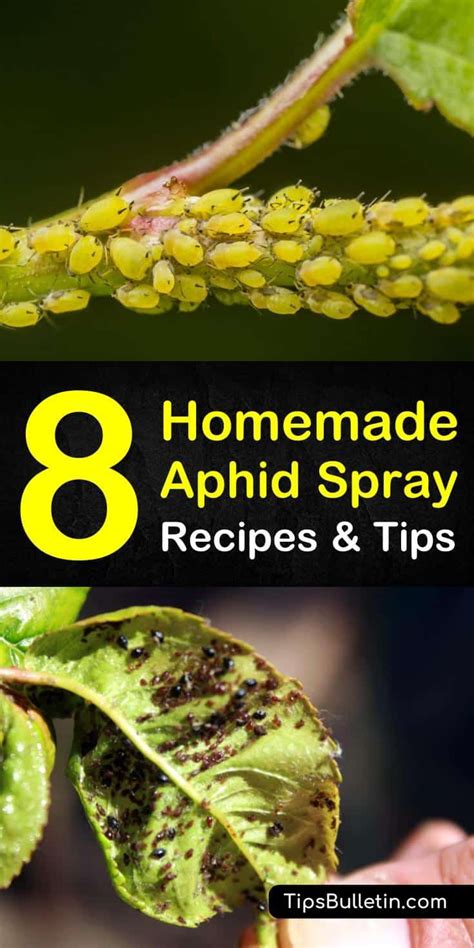
Aphids can quickly become a gardener’s nightmare, especially when they infest your cherished homemade tomato plants. These tiny, soft-bodied insects feed on plant sap, leading to stunted growth, distorted leaves, and even the transmission of plant diseases. While chemical pesticides offer a quick fix, many home gardeners prefer natural, eco-friendly solutions to protect their edible crops. Fortunately, several effective homemade sprays can deter aphids without harming your plants, the environment, or your health.
Understanding Aphids and Their Impact
Before diving into solutions, it’s helpful to understand your enemy. Aphids are small, pear-shaped insects that cluster on the undersides of leaves, new shoots, and flower buds. They excrete a sticky substance called honeydew, which can lead to sooty mold growth, further weakening the plant. Early detection is key to preventing a full-blown infestation.

Top Natural Aphid Deterrent Sprays
1. Soapy Water Spray
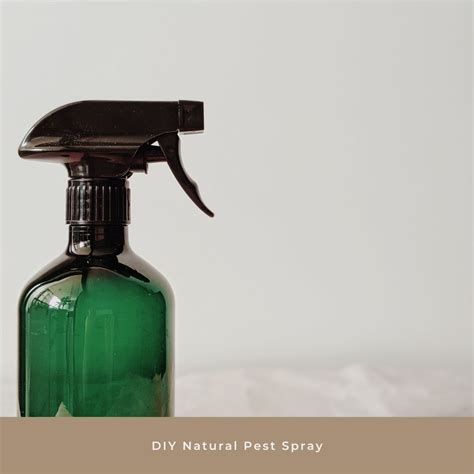
One of the simplest and most effective natural remedies is a basic soapy water spray. The soap dissolves the waxy coating on aphids, causing them to dehydrate and die. It’s crucial to use a mild, unscented dish soap or insecticidal soap, as harsh detergents can damage your plants.
- Recipe: Mix 1-2 teaspoons of mild liquid dish soap (avoid anti-bacterial or degreasing soaps) with 1 liter of water.
- Application: Spray directly onto affected areas, ensuring you cover the undersides of leaves where aphids often hide. Apply in the early morning or late evening to avoid leaf burn from the sun magnified by water droplets. Repeat every 2-3 days until the infestation is under control.
2. Neem Oil Spray
Neem oil is a powerful organic pesticide derived from the neem tree. It acts as an antifeedant, growth disruptor, and repellent for a wide range of pests, including aphids. It’s safe for beneficial insects once dry and degrades quickly in the environment.
- Recipe: Mix 1-2 tablespoons of cold-pressed neem oil with 1 gallon of water and a few drops of mild liquid soap (as an emulsifier).
- Application: Thoroughly coat all parts of the plant, especially the undersides of leaves. Apply weekly as a preventative measure or every 5-7 days for an active infestation.
3. Garlic and Chili Pepper Spray
Pungent ingredients like garlic and chili peppers can repel aphids and other pests due to their strong smell and irritating compounds.
- Recipe: Blend 1 head of garlic with 1-2 hot chili peppers (e.g., habanero, cayenne), adding a small amount of water to create a paste. Let it sit in 1 liter of water overnight, then strain the mixture. Add 1 teaspoon of mild liquid soap before use.
- Application: Spray lightly on foliage, focusing on infested areas. Be cautious, as this can irritate human skin and eyes. Test on a small part of the plant first to ensure it doesn’t cause damage.
4. Tomato Leaf Spray
Surprisingly, tomato leaves themselves contain alkaloids that are toxic to aphids. This makes for a natural and readily available deterrent.
- Recipe: Chop 1-2 cups of tomato leaves and soak them in 1 liter of water for at least 12 hours. Strain the mixture and use the liquid as a spray.
- Application: Apply directly to aphids. This is a milder solution and may require more frequent application.

Best Practices for Applying Natural Sprays
- Consistency is Key: Regular application, especially when aphids are first spotted, is crucial.
- Target Undersides: Always spray the undersides of leaves and new growth where aphids congregate.
- Timing Matters: Apply sprays in the early morning or late evening to prevent leaf burn and maximize effectiveness, as many natural ingredients degrade in strong sunlight.
- Test First: Always test any new homemade spray on a small section of your plant 24-48 hours before full application to ensure it doesn’t cause phytotoxicity.
- Be Thorough: Cover all affected areas thoroughly, but avoid over-saturating the plant.
- Reapply After Rain: If it rains shortly after application, you may need to reapply.

Preventative Measures and Companion Planting
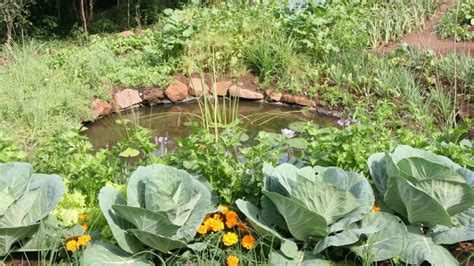
Beyond active spraying, implementing preventative strategies can significantly reduce aphid populations. Consider companion planting with strong-smelling herbs that naturally deter aphids, such as mint, chives, garlic, and marigolds. Attracting beneficial insects like ladybugs, lacewings, and hoverflies (by planting flowers like dill, cilantro, and sweet alyssum) can also help control aphid numbers, as these insects are natural predators.
Regularly inspect your tomato plants for early signs of aphids. A quick daily check can help you catch infestations before they get out of hand, allowing for prompt and less intensive treatment.
Conclusion
Protecting your homemade tomato plants from aphids doesn’t have to involve harsh chemicals. With a variety of natural, homemade sprays and good gardening practices, you can effectively deter these pests, ensuring a healthy and bountiful harvest. Experiment with different solutions to find what works best for your garden, and always prioritize consistency and early intervention for the best results.