

Tips for preserving seasonal garden bounty in homemade recipes?
Embracing the Abundance: Preserving Your Garden’s Harvest
The joy of a flourishing garden is unparalleled, especially when it yields a bounty of fresh, seasonal produce. However, keeping up with the harvest can sometimes feel overwhelming. Rather than letting your precious fruits and vegetables go to waste, embracing preservation techniques allows you to capture those vibrant flavors and nutritional benefits to enjoy all year long. This guide offers practical tips and inspiring recipe ideas to transform your garden’s fleeting abundance into a pantry full of homemade delights.
Why Preserve Your Seasonal Bounty?
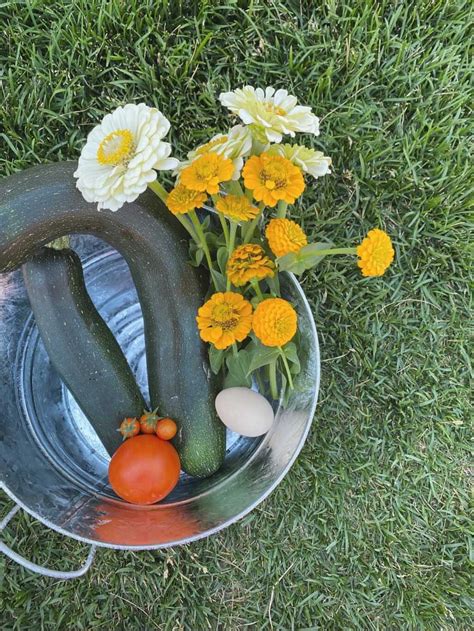
Preserving your garden’s harvest offers numerous advantages beyond simply preventing waste. It allows you to savor the peak flavors of seasonal produce long after the growing season has ended, often resulting in more flavorful and nutritious ingredients than store-bought alternatives. Additionally, it can significantly reduce your grocery bill and provides a deeper connection to your food source. Imagine enjoying homemade tomato sauce in winter made from sun-ripened summer tomatoes, or adding garden-fresh pickled cucumbers to your sandwiches in spring.
Essential Methods for Preserving Garden Goodness
There are several tried-and-true methods for preserving food, each suited for different types of produce and desired outcomes. Understanding these techniques is the first step to becoming a successful home preserver.
1. Freezing
Freezing is one of the simplest and most accessible preservation methods. Most fruits and many vegetables can be frozen. For vegetables, blanching them briefly in boiling water before freezing helps retain color, texture, and nutrients. Berries can often be frozen individually on a tray before transferring to bags to prevent clumping. Think frozen corn, peas, berries, chopped peppers, or pureed pumpkin and squash.
2. Canning
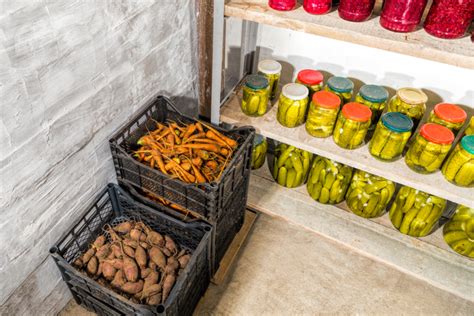
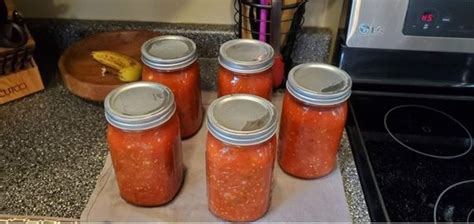
Canning involves sealing food in jars and heating them to destroy microorganisms and create a vacuum seal. It’s ideal for jams, jellies, pickles, salsas, and tomato products. Water bath canning is suitable for high-acid foods (fruits, pickles with added vinegar), while pressure canning is required for low-acid foods (most vegetables, meats) to ensure safety. Always follow tested recipes and proper sterilization techniques when canning.
3. Drying/Dehydrating
Removing moisture inhibits spoilage and concentrates flavors. Herbs, fruit leathers, sun-dried tomatoes, and even sliced mushrooms are excellent candidates for drying. This can be done with a food dehydrator, a low oven, or even in the sun (for certain items in appropriate climates). Dried foods are lightweight and take up minimal storage space.
4. Fermentation
Fermentation uses beneficial bacteria to transform and preserve food, often enhancing its flavor and nutritional value (probiotics!). Sauerkraut, kimchi, and lacto-fermented pickles are popular examples. This method is relatively simple and requires minimal equipment, offering a unique tangy flavor profile to your preserved goods.
5. Infusing Oils and Vinegars
While not for long-term preservation of the produce itself, infusing oils with herbs (like rosemary or basil) or vinegars with fruits (like raspberries) creates flavorful condiments that extend the essence of your garden. Ensure proper hygiene to prevent bacterial growth, especially with infused oils, and store them in the refrigerator.
Creative Recipes Using Your Preserved Bounty
Once you’ve preserved your harvest, the culinary possibilities are endless!
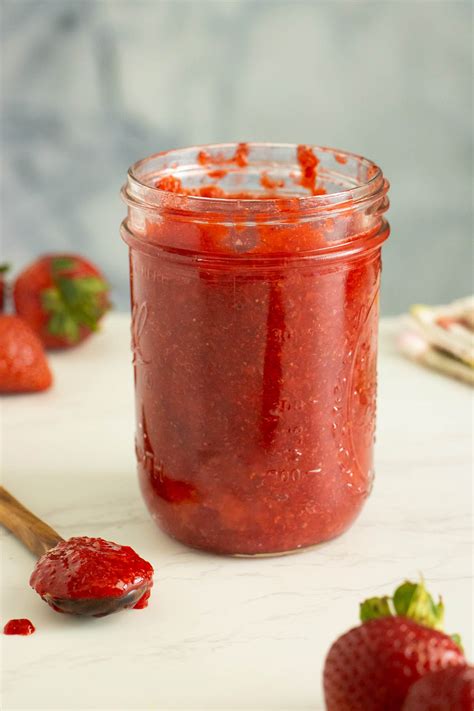
- Jams & Jellies: Perfect for toast, yogurt parfaits, thumbprint cookies, or as a glaze for meats.
- Pickles: A tangy addition to sandwiches, salads, charcuterie boards, or simply as a refreshing snack.
- Frozen Vegetables: Toss into stir-fries, soups, stews, casseroles, or blend into smoothies.
- Dried Herbs: Create custom seasoning blends, infuse oils, or add directly to dishes for concentrated flavor.
- Canned Tomatoes/Sauces: Form the base for pasta sauces, chili, pizza sauce, or hearty winter stews.
- Fermented Foods: Serve sauerkraut with sausages, add kimchi to fried rice, or enjoy fermented pickles alongside any meal.

Tips for Successful Preservation
To ensure your preservation efforts are both safe and delicious, keep these tips in mind:
- Start Small: Don’t try to preserve everything at once. Pick one or two methods and a few favorite ingredients to begin.
- Use Peak-Quality Produce: The fresher and higher quality your produce is at the start, the better your preserved product will be.
- Follow Tested Recipes: Especially for canning, always use recipes from reliable sources (like university extensions or reputable canning books) to ensure food safety.
- Proper Storage: Store preserved foods in a cool, dark place. Label everything with the date and contents.
- Invest in Basic Equipment: A quality canning pot, jars, or a food dehydrator can make the process much easier and more efficient.

Conclusion
Preserving your garden’s seasonal bounty is a rewarding endeavor that extends the joy of your harvest far beyond the growing season. By mastering a few key techniques and experimenting with creative recipes, you can ensure a pantry stocked with wholesome, homemade ingredients. Not only will you enjoy superior flavors and nutrition, but you’ll also gain immense satisfaction from knowing you’ve harnessed nature’s abundance with your own hands. Happy preserving!