



Balancing homestead chores with quality family time?
The Homesteader’s Dilemma: Finding Harmony Between Work and Life
Homesteading is a rewarding lifestyle, offering unparalleled self-sufficiency, connection to the land, and a deep sense of purpose. However, it’s also undeniably demanding. From tending livestock and cultivating gardens to preserving harvests and maintaining infrastructure, the to-do list for a homesteader can seem endless. The constant demands often leave families grappling with a crucial question: how do you manage the immense workload without sacrificing precious quality time with your loved ones?
This article explores practical strategies and mindset shifts to help homesteading families strike a healthier balance, ensuring both the homestead thrives and family bonds remain strong.

Streamlining Homestead Chores for Greater Efficiency
1. Strategic Planning and Time Blocking
Effective time management is the cornerstone of a balanced homestead. Rather than tackling tasks haphazardly, dedicate time each week to plan. Create a master list of all homestead chores, then allocate specific time blocks for them. Consider daily, weekly, and seasonal rhythms. For instance, morning chores with animals are non-negotiable, but deep cleaning the coop might be a weekly task, and large garden projects are seasonal.
2. Delegation and Family Involvement
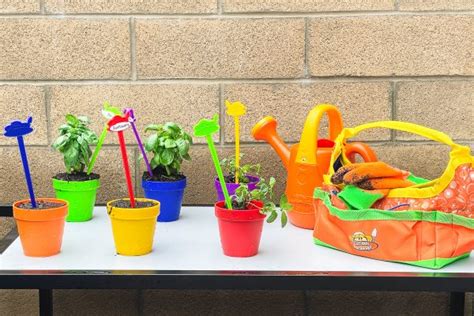
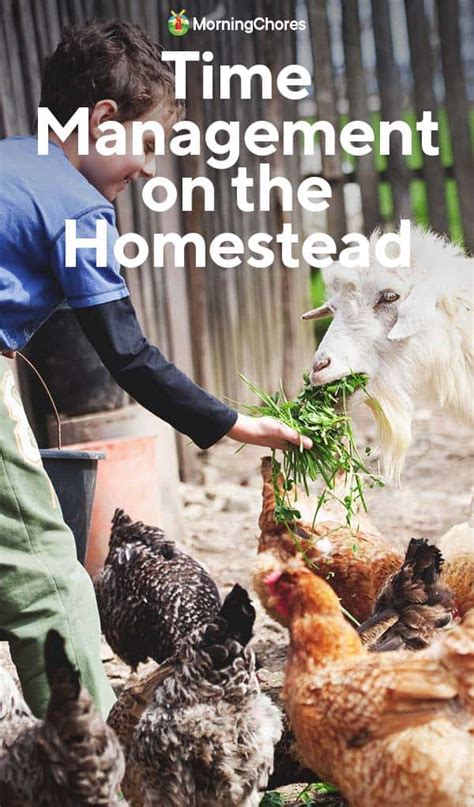
Homesteading is inherently a family endeavor. Involve everyone in age-appropriate tasks. Younger children can help gather eggs, feed chickens, or water plants, while older children can take on more significant responsibilities like weeding, harvesting, or minor repairs. Not only does this lighten the load for parents, but it also teaches children valuable skills, responsibility, and the satisfaction of contributing to the family’s self-sufficiency.

3. Prioritization and Batching
Not all tasks are created equal. Learn to prioritize. What must be done today? What can wait until tomorrow or the weekend? Group similar tasks together (batching) to save time and energy. For example, do all your garden harvesting at once, then move to processing. Similarly, run all errands on one trip to town instead of multiple shorter ones.
4. Investing in Time-Saving Tools and Systems
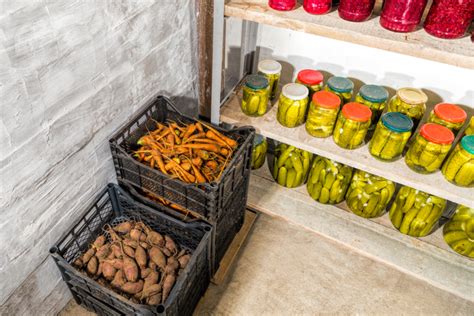
While homesteading often implies manual labor, smart investments can significantly reduce workload. A good rototiller, an efficient watering system, or even well-designed animal housing can free up hours. Similarly, establish routines and systems for repetitive tasks. A clear system for seed starting or food preservation makes these activities less daunting and more efficient.

Cultivating Intentional Family Time
1. Schedule Non-Negotiable Family Time
Just as you schedule chores, schedule dedicated family time. This could be a “no-chores-allowed” evening, a weekly family game night, or a Sunday afternoon nature walk. Treat these blocks of time as seriously as you would tending to your livestock or harvesting a crop. Make it clear that this time is sacred and for connection.
2. Turn Chores into Family Activities
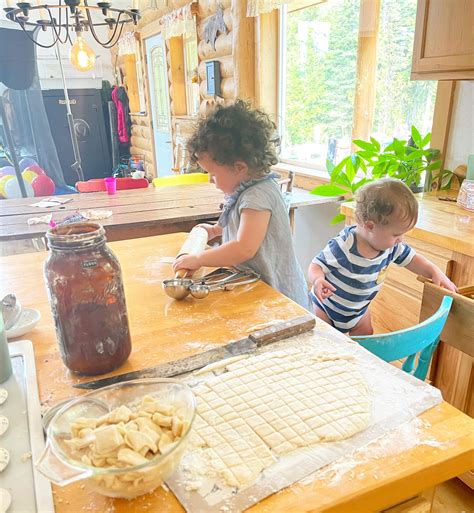
Some homestead tasks can be transformed into enjoyable family activities. Planting seeds together, preparing meals with garden produce, or even mending fences can become opportunities for bonding and storytelling. The key is to shift the mindset from “work” to “shared experience,” focusing on the camaraderie rather than just the task completion.

3. Embrace “Unplugged” Moments
In a world of constant digital distraction, intentionally unplugging is vital for quality family time. Designate specific times or areas where phones and screens are put away. Engage in conversations, play board games, read aloud, or simply sit together and enjoy each other’s company without external interruptions.
4. Create Meaningful Traditions
Homesteading lends itself beautifully to creating unique family traditions. This could be an annual cider pressing party, a solstice bonfire, or a special ritual for the first harvest. These traditions provide memorable moments, reinforce family identity, and offer a much-needed break from the daily grind.

Conclusion: Finding Your Sustainable Rhythm
Balancing homestead chores with quality family time isn’t about achieving perfect equilibrium every single day. It’s about finding a sustainable rhythm that works for your family, recognizing that some days will lean more towards work, and others towards connection. By implementing smart time management, involving everyone in the process, and consciously prioritizing intentional family moments, homesteaders can build a life that is both productive and profoundly fulfilling, rich with the joys of both the land and loved ones.