


Best DIY natural pest control for a country garden?

For many country garden enthusiasts, the dream of a bountiful harvest often comes with the challenge of unwelcome pests. While chemical solutions offer a quick fix, they can harm beneficial insects, local wildlife, and even contaminate your produce. Embracing DIY natural pest control methods is not only environmentally responsible but also fosters a healthier, more resilient garden ecosystem.
The Philosophy of Natural Pest Management
A truly flourishing country garden thrives on balance. Instead of aiming for complete eradication, which is often impossible and undesirable, natural pest control focuses on managing pest populations to acceptable levels, allowing your plants to thrive without significant damage. This approach respects the intricate web of life within your garden, from the soil microbes to the pollinators.

Proactive Prevention: Your First Line of Defense
The best offense is a good defense. Many pest problems can be mitigated before they even start through smart gardening practices.
Healthy Soil, Healthy Plants
Robust plants grown in nutrient-rich, well-draining soil are inherently more resistant to pests and diseases. Regular composting and organic soil amendments boost plant vigor, making them less appealing targets.
Companion Planting
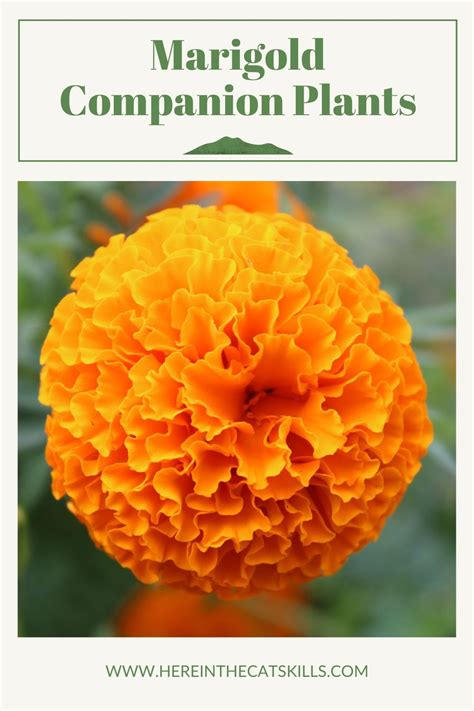
Strategically placing certain plants near others can deter pests or attract beneficial insects. For example, marigolds are known to repel nematodes and other pests, while nasturtiums can act as a trap crop for aphids, drawing them away from more valuable plants. Herbs like basil, rosemary, and mint can also confuse pests with their strong aromas.
Homemade Solutions for Common Pests
When prevention isn’t quite enough, gentle homemade remedies can often bring pest populations back into check.
Garlic and Chili Sprays
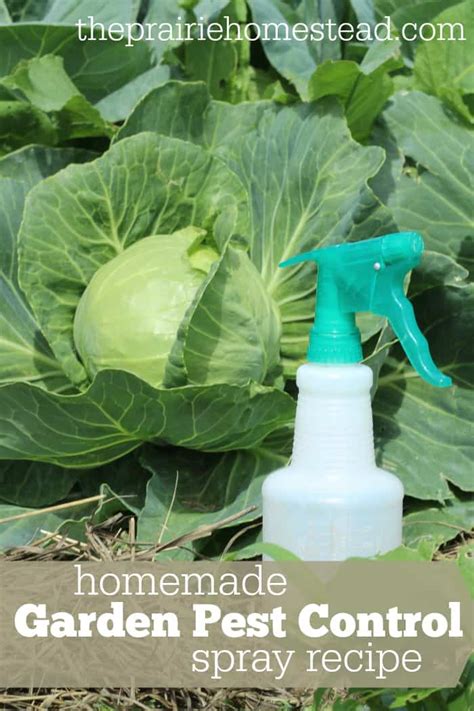
A potent deterrent for many chewing and sucking insects, a spray made from crushed garlic or chili peppers (or both) can be highly effective. Steep crushed garlic cloves or chili powder in water overnight, strain, and add a drop of mild dish soap to help it adhere to leaves. Spray directly on affected plants.
Neem Oil Spray
Derived from the neem tree, neem oil is a powerful organic pesticide that disrupts insect feeding and breeding cycles. Dilute pure neem oil with water and a tiny amount of castile soap as an emulsifier, then spray thoroughly on all plant surfaces. It’s safe for beneficial insects once dry but should be applied in the evening to avoid harming pollinators.
Soapy Water Solution
For soft-bodied insects like aphids, spider mites, and whiteflies, a simple mixture of mild liquid soap and water can work wonders. The soap breaks down their protective outer layer, leading to dehydration. Spray directly onto pests, making sure to coat the undersides of leaves.
Inviting Beneficial Insects
Nature provides its own pest control specialists. Creating a welcoming environment for predators and parasites like ladybugs, lacewings, parasitic wasps, and hoverflies can dramatically reduce pest numbers. Planting flowers rich in nectar and pollen, such as dill, fennel, cosmos, sunflowers, and yarrow, will attract these garden helpers. Avoid using broad-spectrum pesticides that could harm them.

Physical Barriers and Traps
Sometimes, the simplest solutions are the most effective.
Row Covers
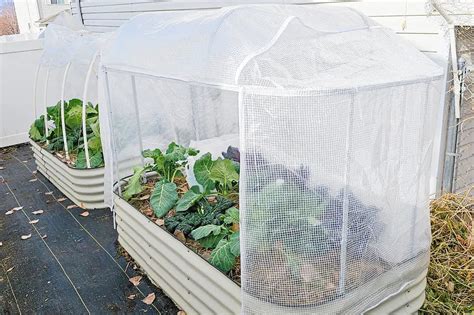
For delicate seedlings or susceptible crops, lightweight row covers can physically block pests like cabbage worms, squash bugs, and cucumber beetles while still allowing sunlight and water through.
Hand-Picking and Traps
Don’t underestimate the power of vigilance. Regularly inspect your plants and hand-pick larger pests like tomato hornworms or slugs. Slug traps (shallow dishes of beer) or sticky traps can also be effective for specific problems.
Garden Hygiene and Crop Rotation
A clean garden is a happy garden. Remove diseased plant material promptly to prevent spread. Clear away garden debris that can harbor pests over winter. Practicing crop rotation year after year helps disrupt pest life cycles by moving their host plants to new locations.
Embracing the Process
Natural pest control for a country garden is an ongoing learning process. It requires patience, observation, and a willingness to experiment. By implementing a combination of these DIY methods, you’ll not only protect your plants but also cultivate a vibrant, chemical-free oasis that benefits your family and the local environment.