What BTS tips ensure authentic food/craft process visuals despite tricky home lighting?
Conquering the Home Lighting Challenge
Creating captivating behind-the-scenes (BTS) visuals for food preparation or craft processes is a fantastic way to engage your audience. However, the inconsistent and often dim lighting found in most homes can be a significant hurdle. Professional studios benefit from controlled environments, but with a few clever tips and tricks, you can transform your home into a viable set, ensuring your authentic processes shine through despite tricky lighting conditions.
Mastering Natural Light Sources
The first and most accessible tool at your disposal is natural light. Position your workspace near the largest window you have, ideally one that receives soft, indirect light. Direct sunlight can create harsh shadows and blown-out highlights, so if your window faces the sun, use a sheer curtain, a white bedsheet, or even parchment paper to diffuse the light. Experiment with different times of day to find when the light is most consistent and flattering.
To further control and direct natural light, use reflectors. You don’t need expensive gear; a large piece of white foam board, a poster board, or even a sheet of aluminum foil (crinkled and then smoothed out for softer reflection) can bounce light back into shadowy areas, illuminating your subject evenly. Place these opposite your light source to fill in shadows and add a subtle glow.
Budget-Friendly Artificial Lighting Solutions
When natural light is insufficient or inconsistent, it’s time to introduce artificial sources. You don’t need a professional lighting kit to achieve great results. Simple desk lamps with daylight-balanced LED bulbs can be very effective. Position them carefully to mimic natural light – often at a 45-degree angle to your subject. To soften the light and prevent harsh shadows, diffuse it with translucent materials like wax paper, a white shower curtain, or a DIY softbox made from a cardboard box lined with foil.
Consider using two light sources if possible: one main key light and a secondary fill light, perhaps a dimmer lamp or a reflector, to balance the scene. This creates depth and reduces harsh contrasts. Always ensure your light sources are consistent in color temperature to avoid odd color casts in your final visuals.

Optimizing Camera Settings for Low Light
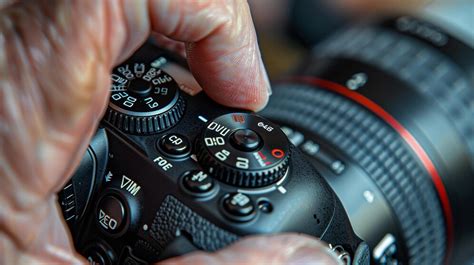
Your camera settings play a crucial role in managing difficult lighting. Prioritize a wider aperture (lower f-number) to let in more light, which also creates a pleasing shallow depth of field, blurring the background and keeping your subject sharp. Increase your ISO cautiously; while it brightens the image, too high an ISO will introduce digital noise or grain. Find the sweet spot where your image is bright enough without becoming grainy.
Adjust your shutter speed to avoid motion blur, especially for active process shots. If your lighting allows, keep it relatively fast. Finally, ensure your white balance is correctly set for your light source (e.g., ‘daylight’ for natural light, ‘tungsten’ or ‘fluorescent’ for artificial bulbs) to ensure accurate colors.
Strategic Staging and Composition
The way you stage your shot can significantly impact how well your visuals turn out, regardless of lighting. Keep your background simple and uncluttered to avoid distractions. Use neutral colors that won’t compete with your food or craft item. Pay attention to your focal point – what do you want viewers to see most clearly? Utilize leading lines, the rule of thirds, and foreground elements to draw the eye to the key action.
For process visuals, think about the angles that best showcase the steps. Overhead shots are excellent for showing a complete overview of a craft or food prep, while close-ups highlight intricate details. Minimize your own shadows or those of your equipment by positioning yourself and your lights thoughtfully.
Post-Production for Enhanced Authenticity
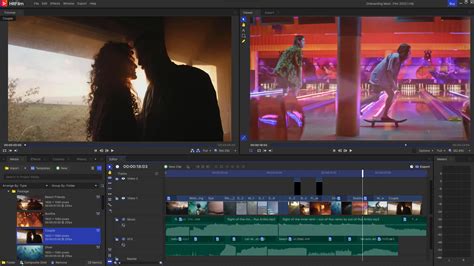
Even with careful planning, some adjustments will likely be needed in post-production. Use editing software to make subtle tweaks to exposure, contrast, and highlights/shadows. Correcting white balance can bring out true colors if your in-camera settings weren’t perfect. A touch of sharpening can make details pop. However, resist the urge to over-edit. The goal is to enhance authenticity, not to create an artificial look. Small, deliberate adjustments will yield the most professional and trustworthy results.
Conclusion
Don’t let challenging home lighting deter you from creating stunning food and craft process visuals. By understanding and manipulating natural light, employing budget-friendly artificial sources, optimizing your camera settings, and staging thoughtfully, you can produce authentic and engaging BTS content that truly resonates with your audience. With practice and a little creativity, your home setup can yield professional-quality results, showcasing the true essence of your work.