



Best organic deterrents for squash bugs on homestead gardens?

Battling Squash Bugs Organically on Your Homestead
Squash bugs (Anasa tristis) are a notorious menace for any homesteader growing squash, pumpkins, gourds, or other cucurbits. These sap-sucking insects can quickly decimate an entire crop, leaving behind wilted, yellowed plants and greatly reduced yields. While chemical pesticides offer a quick fix, they are often at odds with the principles of sustainable homesteading and can harm beneficial insects, soil health, and even your family. Fortunately, a range of organic deterrents can effectively manage squash bug populations, ensuring your garden thrives naturally.
Understanding the Enemy: Squash Bugs 101
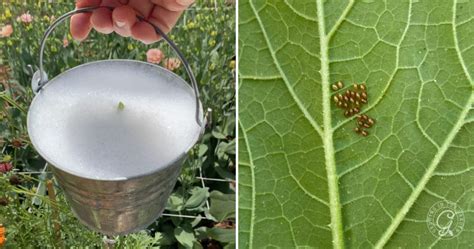
Before implementing deterrents, it’s crucial to understand your adversary. Squash bugs typically have one generation per year, overwintering as adults in garden debris, under rocks, or in buildings. They emerge in spring to mate, laying clusters of shiny, brick-red to bronze-colored eggs on the undersides of leaves, often in the angles of leaf veins. Nymphs hatch and go through five instars before maturing into adults. Both nymphs and adults feed by sucking sap from plant leaves and stems, injecting a toxin that causes plants to wilt, yellow, and eventually die. This damage is often referred to as ‘Anasa wilt’, though it’s distinct from bacterial wilt.
Prevention as Your First Line of Defense
The most effective organic pest management begins with prevention. A healthy garden ecosystem is more resilient to pest attacks.
Garden Hygiene and Sanitation
Good garden hygiene is paramount. Squash bugs often overwinter in plant debris. Thoroughly clean your garden beds in the fall, removing all spent plant material, fallen leaves, and weeds. This eliminates potential hiding spots for adult squash bugs before they settle in for winter. Early spring cleanup can also help remove any remaining overwintering adults before they start laying eggs.
Strategic Crop Rotation
Avoid planting cucurbits in the same spot year after year. Squash bugs lay their eggs near their food source, and rotating crops can confuse pests and prevent populations from building up in the soil. Aim for a three to four-year rotation cycle, planting non-cucurbit crops in those beds in between.

Physical Barriers: Keeping Them Out
Sometimes, the simplest solution is to just keep the pests away from your plants altogether.
Row Covers and Floating Netting
Lightweight row covers or floating net tunnels are excellent physical barriers. Apply them immediately after planting your squash seedlings or direct seeding, ensuring the edges are securely sealed to the ground to prevent bugs from crawling underneath. The key is to apply them before squash bugs emerge and begin laying eggs. Remember to remove the covers once plants start flowering to allow for pollination by bees and other beneficial insects, as squash plants require cross-pollination to produce fruit.
Reflective Mulch
Laying reflective aluminum or silver mulch around your squash plants can deter squash bugs and other pests. The light reflected from the mulch disorients flying insects, making it harder for them to locate and land on your plants. This also helps to warm the soil, encouraging faster growth, and suppresses weeds.
Cultivating Allies: Companion Planting
Certain plants can naturally deter squash bugs or attract beneficial insects that prey on them.
Repellent Plants
While not a foolproof solution on their own, planting specific companions can contribute to an integrated pest management strategy. Nasturtiums are often cited as a good companion, as they can act as a trap crop (luring pests away) or simply deter some insects. Marigolds (especially French marigolds) are known for their pest-repelling properties against a range of garden invaders. Radishes, when planted nearby, are also thought to have a deterrent effect on squash bugs.

Direct Action: Manual Removal
For smaller homestead gardens, direct intervention can be highly effective, albeit time-consuming.
Hand-Picking and Egg Destruction
Regularly patrol your squash plants, especially in the mornings when squash bugs are less active. Hand-pick adult bugs and nymphs and drop them into a bucket of soapy water. Pay close attention to the undersides of leaves and the base of the plant where they tend to congregate. Even more critical is the destruction of their eggs. Scrape off the clusters of copper-colored eggs with your fingernail, a piece of tape, or a small brush and crush them. Consistency is key here; a daily check can significantly reduce future populations.

Natural Sprays: Organic Solutions in a Bottle
When populations begin to get out of hand, organic sprays can provide a much-needed knock-down.
Neem Oil
Neem oil, derived from the neem tree, acts as an antifeedant, growth disruptor, and repellent. It’s most effective when applied to young nymphs, interfering with their development. Mix according to package directions and spray thoroughly, coating both the tops and undersides of leaves. Apply in the evening to avoid harming beneficial insects (which are typically less active at night) and to prevent leaf burn in strong sunlight.
Insecticidal Soap
Insecticidal soaps work by breaking down the waxy cuticle of soft-bodied insects like squash bug nymphs, causing dehydration and death. They are contact killers, meaning they must directly hit the pest to be effective. Spray thoroughly, ensuring complete coverage of nymphs. Insecticidal soaps are generally safe for beneficial insects once dry and are quick to break down, leaving no harmful residues.
The Decoy Method: Trap Cropping
Clever gardeners can use a trap crop to lure squash bugs away from their main crop.
Luring Them Away
Planting a sacrificial crop that squash bugs prefer can draw them away from your more valuable plants. Blue Hubbard squash or similar varieties are known to be highly attractive to squash bugs. Plant these trap crops a few weeks before your main squash crop. Once the squash bugs congregate on the trap crop, you can then easily hand-pick them, vacuum them, or use a targeted organic spray on that specific area, preventing them from spreading to your main harvest.
An Integrated Approach for Long-Term Success
No single organic deterrent is a silver bullet against squash bugs. The most successful strategy involves integrating several of these methods. Start with preventative measures like garden sanitation and crop rotation. Deploy physical barriers early. Monitor your plants daily for eggs and young nymphs, engaging in hand-picking as needed. If populations escalate, use targeted organic sprays like neem oil or insecticidal soap. With persistence and a multi-pronged approach, your homestead garden can successfully ward off squash bugs and produce a bountiful harvest of healthy cucurbits, all while maintaining an organic and sustainable growing environment.