


Natural methods to protect my homestead garden from common pests?
Embracing a Chemical-Free Homestead: Natural Pest Defense Strategies
For any homesteader, a thriving garden is a source of immense satisfaction, providing fresh produce and a connection to nature. However, common garden pests can quickly turn this joy into frustration. The good news is that you don’t need harsh chemicals to protect your plants. By understanding and implementing natural, organic pest control methods, you can foster a resilient ecosystem that discourages unwanted visitors and encourages a bountiful harvest.
Building a Strong Foundation: Healthy Soil and Robust Plants
The first line of defense against pests begins beneath the surface. Healthy, nutrient-rich soil supports strong, vigorous plants that are naturally more resistant to pest attacks. Incorporate organic matter like compost, well-rotted manure, and cover crops to improve soil structure, fertility, and microbial life. Well-nourished plants are better equipped to fend off pests and recover from minor damage, while stressed plants are often the first targets.
Companion Planting: Nature’s Strategic Partnerships
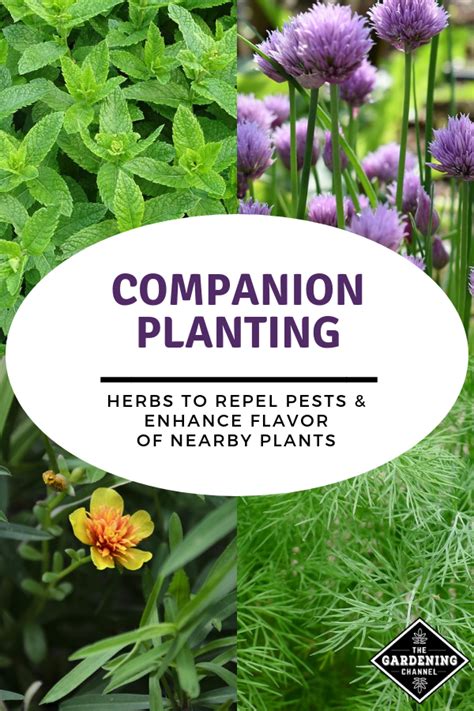
One of the oldest and most effective natural pest control methods involves planting specific herbs, flowers, and vegetables together that mutually benefit each other. Certain plants can deter pests through their scent, while others can attract beneficial insects that prey on harmful ones. For example, marigolds are known to repel nematodes and other pests, while basil planted near tomatoes can help repel tomato hornworms. Nasturtiums can act as a trap crop, drawing aphids away from more valuable plants.
Attracting Beneficial Insects: Your Garden’s Tiny Allies
Creating a habitat for predatory and parasitic insects is a cornerstone of organic pest control. Ladybugs, lacewings, predatory wasps, and hoverflies are natural enemies of aphids, slugs, caterpillars, and other common garden pests. You can invite these helpful insects by planting a diverse array of flowers, especially those with small, open blossoms like dill, fennel, cilantro, cosmos, and sunflowers. Providing a water source and avoiding broad-spectrum pesticides will further encourage their presence.
Physical Barriers and Traps: Direct Protection Methods
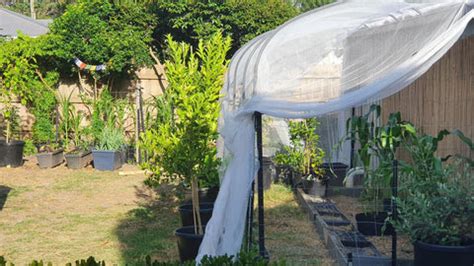
Sometimes, direct intervention is the simplest solution. Physical barriers can prevent pests from reaching your plants in the first place. Row covers made from fine mesh netting can protect seedlings and vulnerable crops from flying insects like cabbage worms, squash bugs, and cucumber beetles. For larger pests, fencing can deter deer, rabbits, and groundhogs. Simple traps, such as yellow sticky traps, can effectively monitor and reduce populations of whiteflies, aphids, and fungus gnats, while beer traps can lure and drown slugs and snails.

Crop Rotation and Garden Hygiene: Long-Term Pest Management
Implementing a proper crop rotation schedule is vital for breaking pest life cycles and preventing the buildup of disease spores in the soil. Avoid planting the same crop or crop family in the same spot year after year. Instead, rotate crops through different areas of your garden. Good garden hygiene also plays a significant role: regularly remove weeds, which can harbor pests and diseases, and promptly dispose of diseased or heavily infested plant material away from the garden to prevent spread. Fall cleanup is crucial for eliminating overwintering pest eggs and larvae.
Homemade Organic Sprays: Targeted Solutions
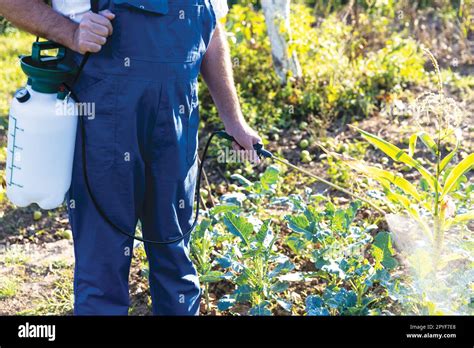
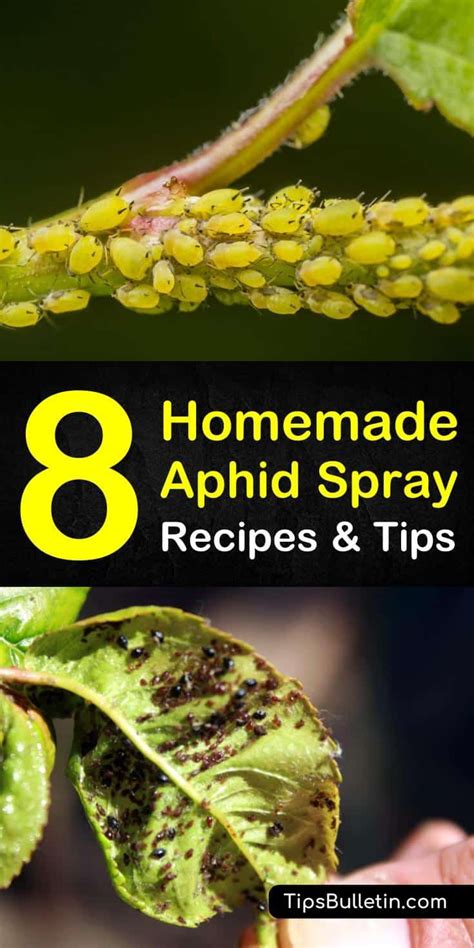
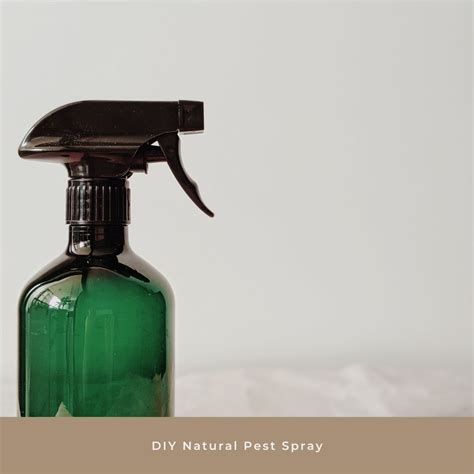
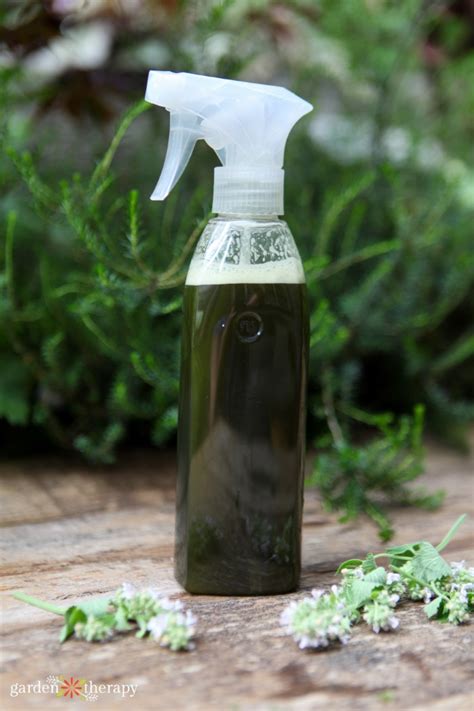
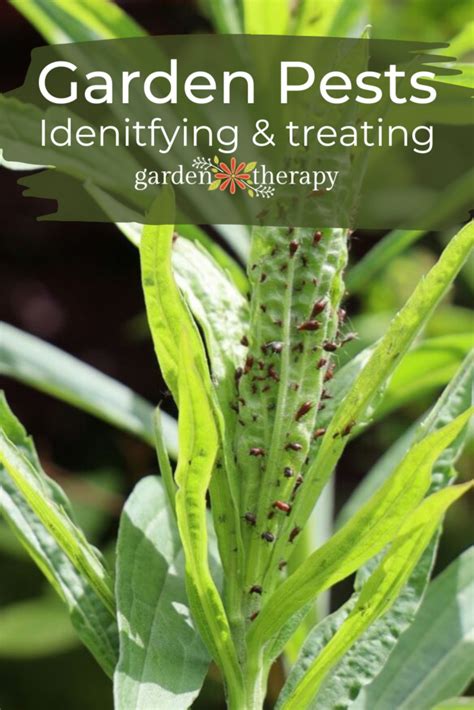
For more immediate pest problems, several homemade organic sprays can provide effective, non-toxic solutions. A simple soap spray (1-2 tablespoons of mild liquid soap per gallon of water) can suffocate soft-bodied insects like aphids, spider mites, and whiteflies. Garlic or chili pepper sprays can act as repellents, while neem oil, derived from the neem tree, disrupts the feeding and reproduction of many pests. Always test any homemade spray on a small section of a plant first to ensure it doesn’t cause damage.
Manual Removal and Regular Scouting: A Hands-On Approach
Never underestimate the power of your own two hands. Regularly inspect your plants for signs of pest activity. Early detection makes removal much easier. Handpicking larger pests like tomato hornworms or squash bugs and dropping them into a bucket of soapy water can be incredibly effective. For smaller pests, a strong stream of water from a hose can dislodge aphids and spider mites. This direct, hands-on approach connects you more deeply with your garden and helps you understand its specific challenges.
Conclusion: Cultivating a Resilient Ecosystem
Protecting your homestead garden from pests naturally is an ongoing process that involves observation, patience, and a holistic understanding of your garden’s ecosystem. By focusing on healthy soil, diverse plantings, beneficial insects, and smart cultural practices, you can create a vibrant, resilient garden that naturally resists pests, minimizes damage, and provides you with an abundant, chemical-free harvest year after year. Embrace these natural methods, and watch your garden thrive.