

What BTS angle best shows real food journey from garden to table?

Capturing the Authenticity of the Food Journey
In an era where consumers are increasingly curious about the origins of their food, depicting the complete garden-to-table journey with authenticity and visual impact is paramount. For content creators and filmmakers, the challenge lies in selecting the most effective behind-the-scenes (BTS) angles and storytelling techniques to convey the effort, care, and transformation that occurs from cultivation to consumption. It’s not just about showing the steps, but feeling the connection.
The Roots: Immersive Garden Perspectives
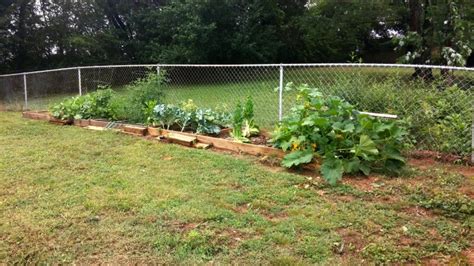
To truly begin the journey, the camera must dive deep into the garden itself. Wide-angle shots can establish the scale and environment, showing rows of crops bathed in sunlight or the intricate ecosystem of a small organic plot. However, the real magic often happens with macro shots and close-ups:
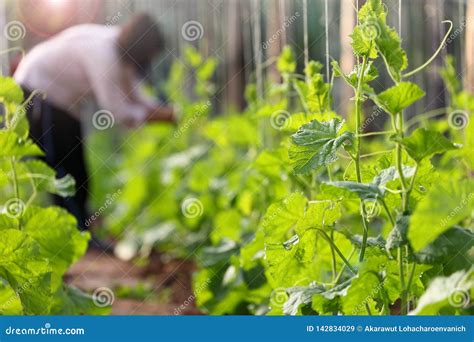
- Hand-held POV: Following hands as they tend to plants, sow seeds, or gently pluck ripe produce provides an intimate, first-person perspective, drawing the viewer into the gardener’s world.
- Time-lapse: Capturing the growth cycle of a plant from seedling to harvest can be incredibly powerful, compressing weeks or months into a captivating visual narrative.
- Ground-level shots: Showing the roots, the soil, and the life teeming beneath the surface adds depth and emphasizes the foundational element of the food journey.
The Transition: From Earth to Culinary Canvas
Once harvested, the journey continues with transportation and initial preparation. This phase, often overlooked, is crucial for showing the integrity of the ingredients. Angles here should emphasize the freshness and minimal intervention:
- Tracking shots: Following a basket of freshly picked vegetables from the garden to a washing station or kitchen counter highlights the swiftness of the transition.
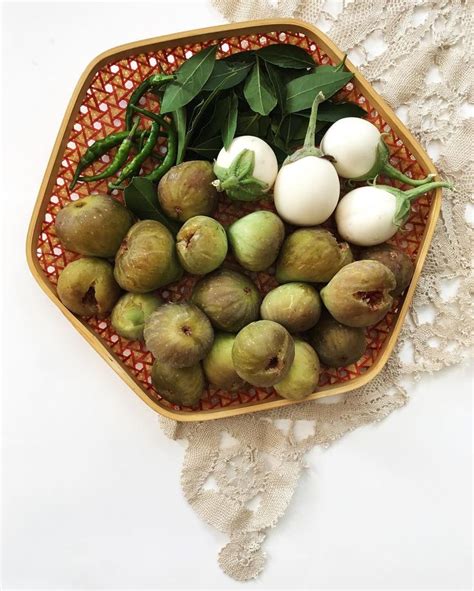
- Overhead shots: When ingredients are being washed, sorted, or initially chopped, an overhead angle provides a clean, instructional view, showcasing the raw beauty of the produce.
- Focus on textures: Close-ups of dirt being rinsed off, the vibrant colors of fresh produce, or the crispness of a snapped green bean can engage multiple senses visually.
The Art of Transformation: Kitchen Perspectives
The kitchen is where the raw ingredients are transformed into a meal. Here, BTS angles should reveal the skill, passion, and often the simplicity of the cooking process. Authenticity is key – avoiding overly stylized shots in favor of candid moments:
- Chef’s POV: Mounting a camera on a chef’s head or directly over their cutting board provides an immediate, engaging perspective on their technique.
- Mid-range shots: Capturing the chef interacting with ingredients, stirring a pot, or plating a dish allows viewers to see the full scope of the culinary action without losing detail.
- Ambient shots: Capturing the steam rising from a simmering pot, the sizzle of ingredients in a pan, or the focused expression of the cook adds atmosphere and depth.

The Culmination: Table Presentation and Enjoyment
The final stage brings the food to the table, completing the journey. This is where the narrative ties back to the initial effort in the garden. Angles here should emphasize the inviting nature of the meal and the joy of sharing:
- Eye-level shots: Presenting the finished dish as it would appear to someone about to eat it creates an immediate connection.
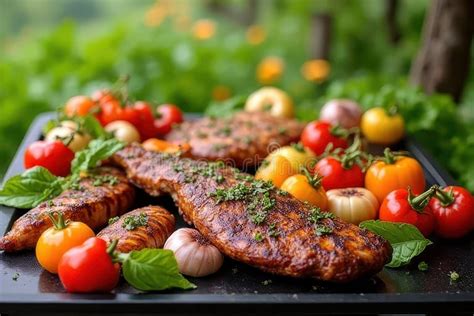
- Top-down “flat lay”: A popular and effective angle for showcasing the entire spread, emphasizing the variety and artistry of the meal.
- Candid interactions: Capturing people enjoying the food, sharing conversations, and appreciating the meal reinforces the communal aspect and the ultimate purpose of the food journey.
Integrating Angles for a Holistic Narrative
Ultimately, the “best” BTS angle isn’t a single shot but a cohesive narrative built from a variety of perspectives. A dynamic approach that combines wide establishing shots, intimate close-ups, immersive POV angles, and candid observational footage will best showcase the real food journey. The goal is to tell a story that respects the origins, celebrates the transformation, and highlights the joy of consumption, creating an authentic and engaging experience for the viewer.