




How to preserve garden bounty using simple, real food recipes?

As your garden flourishes and bountiful harvests start rolling in, the joy of fresh produce is undeniable. But what happens when you have more tomatoes than you can eat, an abundance of berries, or a mountain of zucchini? The answer lies in simple, real food preservation techniques that allow you to enjoy your garden’s goodness long after the growing season ends. Forget complex processes and chemical additives; these methods focus on wholesome ingredients and straightforward steps.
Freezing for Freshness and Convenience
Freezing is arguably the easiest and most accessible method for preserving many types of produce, requiring minimal equipment beyond a freezer and some storage containers or bags. It’s excellent for maintaining the fresh flavor and nutritional value of fruits and vegetables.
- Vegetables: Most vegetables benefit from blanching (a quick boil followed by an ice bath) before freezing to stop enzyme action and preserve color, flavor, and texture. Think blanched green beans, broccoli florets, corn kernels, or shredded zucchini.
- Fruits: Berries, sliced peaches, and cherries can be frozen whole or in halves, often spread on a baking sheet first to prevent clumping, then transferred to bags. They’re perfect for smoothies, pies, or sauces.
- Herbs: Chop fresh herbs, mix with a little olive oil or water, and freeze in ice cube trays for easy-to-add flavor boosters to soups and stews.

Simple Canning: Jams, Pickles, and Tomatoes
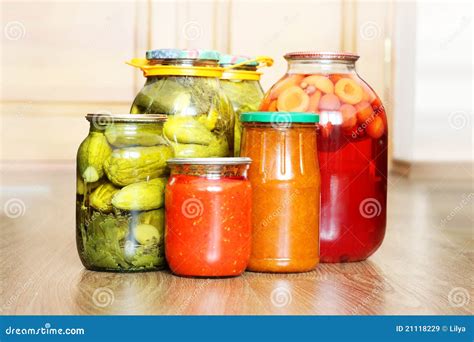
Water bath canning is a fantastic way to store high-acid foods like fruits, pickles, and tomatoes at room temperature for extended periods. It might seem daunting at first, but with a few basic tools and reliable recipes, it’s incredibly rewarding.
- Jams and Jellies: Transform your ripe berries, peaches, or plums into delicious jams with minimal added sugar. Pectin-free recipes often rely on fruit’s natural pectin and a longer simmer.
- Pickles: Cucumbers, green beans, and even bell peppers can be pickled in a simple vinegar brine with spices. Quick dill pickles are a classic, offering a tangy crunch.
- Tomatoes: Canned whole peeled tomatoes, crushed tomatoes, or simple tomato sauce are garden staples. Roasting tomatoes before canning adds a depth of flavor perfect for winter sauces.
Dehydrating for Long-Term Storage and Concentrated Flavor
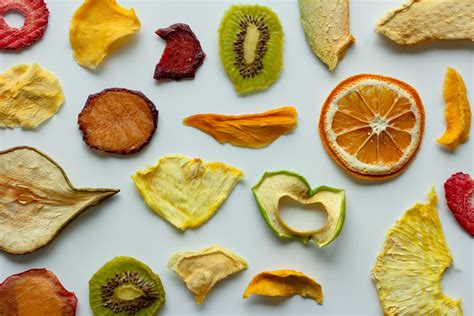
Dehydrating removes water from food, inhibiting spoilage and concentrating flavors. A dehydrator is ideal, but a low oven setting or even natural sunlight (for certain foods in dry climates) can work. This method is energy-efficient and creates lightweight, space-saving storage.
- Fruit Leathers and Chips: Puree fruit like apples, berries, or mangoes for healthy fruit leathers, or slice apples thinly for crispy chips.
- Dried Herbs and Vegetables: Dry herbs like oregano, thyme, and rosemary to create your own blends. Thinly sliced zucchini, bell peppers, or carrots can be rehydrated for soups and stews.
- Sun-Dried Tomatoes: Slice tomatoes and dry them until leathery. Store them in olive oil (refrigerated) or simply dry.
Fermentation: Probiotic Powerhouses
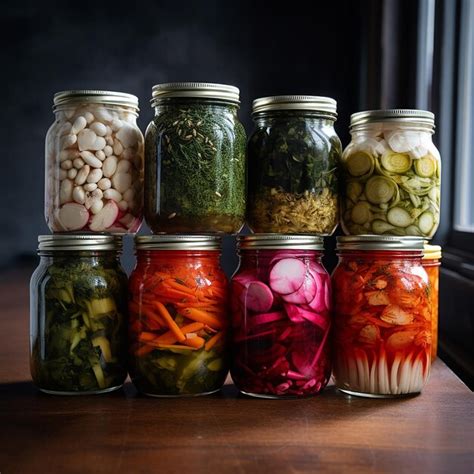
Fermentation is an ancient preservation method that not only extends the shelf life of food but also enhances its nutritional value by creating beneficial probiotics. It’s surprisingly simple, often requiring just salt, water, and vegetables.
- Sauerkraut: Finely shredded cabbage, massaged with salt, then packed into a jar, will naturally ferment into tangy sauerkraut within a few weeks.
- Lacto-Fermented Pickles: Skip the vinegar! Cucumbers, green beans, or carrots can be fermented in a saltwater brine with garlic and dill for crisp, probiotic-rich pickles.
- Kimchi: A Korean staple, kimchi involves fermenting napa cabbage and other vegetables with a spicy paste.
Creative Culinary Uses for Your Preserved Goods
Once preserved, your garden bounty opens up a world of culinary possibilities. Frozen berries become a quick breakfast smoothie base. Home-canned tomatoes are the heart of a robust pasta sauce. Dehydrated herbs infuse flavor into winter dishes, and fermented vegetables add a zingy, healthy kick to any meal. Consider making your own vegetable stocks from frozen scraps, infusing vinegars with dried herbs, or crafting unique spice blends.
Embracing these simple, real food preservation techniques allows you to connect more deeply with your food, reduce waste, and enjoy the taste of your garden’s hard work year-round. It’s a sustainable practice that not only fills your pantry but also brings immense satisfaction.