

How to preserve garden tomatoes for winter sauce without canning?
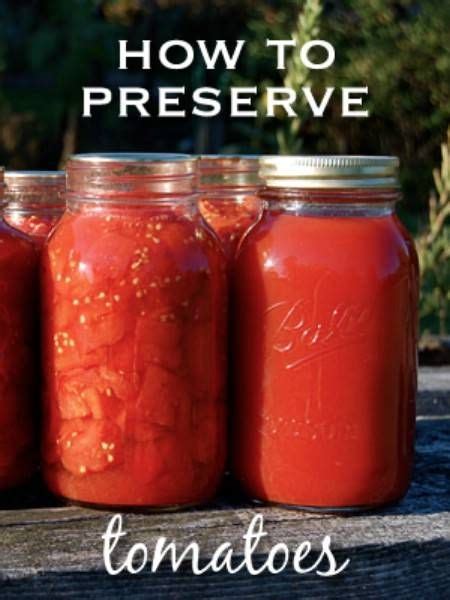
Embrace the Harvest: Preserving Tomatoes Without the Canning Hassle
As summer winds down, gardens often overflow with the vibrant bounty of ripe tomatoes. While canning is a time-honored tradition, it’s not the only way to safeguard that fresh, sun-kissed flavor for the colder months. For those who want to avoid the sterilizing, pressure cookers, and extensive prep work, several simple and highly effective methods allow you to enjoy homemade tomato sauce all winter long. Let’s explore some fuss-free alternatives to traditional canning.

Method 1: Freezing Whole or Chopped Tomatoes
This is arguably the simplest method for preserving tomatoes for sauce. It requires minimal preparation and is perfect for busy gardeners. The beauty of freezing whole tomatoes is that their skins will slip off easily once thawed, saving you the blanching and peeling step later.
Steps:
- Wash and Core: Thoroughly wash your ripe tomatoes and remove the core.
- Flash Freeze (Optional but Recommended): For whole tomatoes, place them on a baking sheet lined with parchment paper, ensuring they don’t touch. Freeze for 2-4 hours, or until solid. This prevents them from sticking together in the freezer bag.
- Bag Them Up: Transfer the frozen whole tomatoes into freezer-safe bags, removing as much air as possible. For chopped tomatoes, simply place them directly into bags or containers after chopping.
- Label and Store: Don’t forget to label your bags with the date and contents. They can last up to a year in the freezer.
When you’re ready to make sauce, simply pull out the desired number of tomatoes, run them under warm water to easily peel, and chop them. Or, if using whole frozen tomatoes, you can add them directly to a pot with a little water, and as they thaw and cook down, the skins will release.

Method 2: Roasting and Freezing Tomato Sauce Base
Roasting tomatoes concentrates their flavor, making for an incredibly rich and delicious sauce base. This method takes a bit more active time initially but provides a ready-to-use foundation for your winter meals.
Steps:
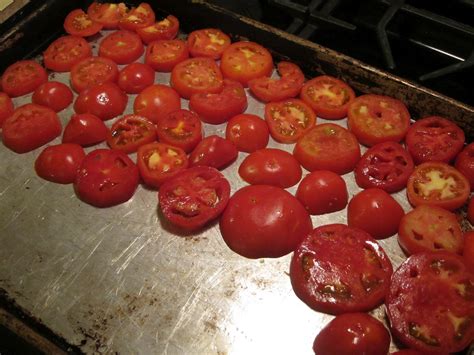
- Prepare Tomatoes: Wash and halve your tomatoes (cherry tomatoes can be left whole). Place them cut-side up on baking sheets. Drizzle with olive oil, salt, and pepper. You can also add garlic cloves, onions, or fresh herbs like basil and oregano for extra flavor.
- Roast: Roast in an oven preheated to 375°F (190°C) for 45-90 minutes, depending on the size and water content of your tomatoes, until they are soft, slightly caramelized, and their juices have reduced.
- Process: Let the roasted tomatoes cool slightly. You can then blend them with an immersion blender or food processor until smooth, or leave them chunky for a rustic sauce. For a very smooth sauce, you might want to run them through a food mill to remove skins and seeds.
- Reduce (Optional): For an even more concentrated flavor and less freezer space, you can simmer the puréed sauce on the stovetop until it thickens to your desired consistency.
- Freeze: Allow the sauce to cool completely. Pour into freezer-safe containers, ice cube trays (for small portions), or freezer bags. Again, label clearly with the date.
Method 3: Dehydrating Tomatoes for Intense Flavor
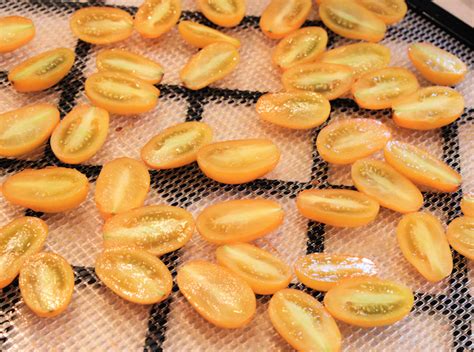
Dehydrating tomatoes turns them into flavor-packed sun-dried (or oven-dried) gems. While not a direct sauce replacement, these can be rehydrated and blended into sauces or added directly for a burst of concentrated tomato flavor.
Steps:
- Slice Tomatoes: Wash and slice tomatoes about 1/4 to 1/2 inch thick. For larger tomatoes, you might want to remove the seeds and excess liquid to speed up drying.
- Dehydrate: Arrange slices in a single layer on dehydrator trays or baking sheets. Dehydrate at 135-145°F (57-63°C) for 8-12 hours, or until pliable but no longer moist. If using an oven, set it to its lowest temperature, prop the door open slightly, and dry for several hours, flipping occasionally.
- Store: Once completely cool, store the dried tomatoes in airtight containers at room temperature for several months, or freeze them for longer storage. You can also pack them in olive oil with herbs if preferred.
Tips for Success and Enjoying Your Winter Sauce
- Use Quality Tomatoes: The better the fresh tomato, the better your preserved product will be.
- Portion Control: Freeze in quantities that make sense for your typical meal preparation (e.g., 2-cup portions for sauce, or individual servings in ice cube trays).
- Vacuum Seal: If you have a vacuum sealer, it will significantly extend the freezer life and prevent freezer burn for all methods.
- Label Everything: Include the date and contents (e.g., “Frozen Whole Tomatoes – Aug 2023”, “Roasted Tomato Sauce – Sept 2023”).
- Defrosting: Thaw frozen tomatoes or sauce in the refrigerator overnight, or directly in a pot on low heat for immediate use.
Preserving your garden’s bounty doesn’t have to be an intimidating chore. With these simple, canning-free methods, you can easily capture the essence of summer’s tomatoes and enjoy delicious, homemade sauces, soups, and stews throughout the cold winter months. Say goodbye to store-bought sauces and hello to your garden’s goodness!