




Easy homemade remedy for powdery mildew on squash plants?

Tackling Powdery Mildew: An Organic Solution for Your Squash
Powdery mildew is a common and frustrating fungal disease that can quickly take hold of your squash plants, leaving a tell-tale white, powdery coating on leaves and stems. While it might seem alarming, especially during warm, humid conditions, the good news is that you don’t always need harsh chemicals to fight it. Many gardeners successfully manage this nuisance with simple, homemade remedies, allowing their squash to thrive and produce a bountiful harvest.

Identifying and Understanding the Foe
Before you can treat powdery mildew, it’s important to accurately identify it. Look for small, circular white spots on the upper and lower surfaces of leaves, as well as on stems. These spots will gradually enlarge and merge, eventually covering entire leaves and giving them a powdery, flour-dusted appearance. While it rarely kills the plant outright, severe infections can weaken it, reduce photosynthesis, stunt growth, and diminish fruit quality and yield. It’s most prevalent in warm, dry climates with high humidity, often exacerbated by poor air circulation.
Your Easy Homemade Remedy: The Baking Soda Spray
One of the most popular and effective homemade remedies for powdery mildew involves a few common kitchen ingredients. This simple spray changes the pH on the leaf surface, making it inhospitable for the fungus.
Ingredients:
- 1 tablespoon baking soda (sodium bicarbonate)
- 1 teaspoon horticultural oil or insecticidal soap (optional, helps the spray stick)
- 1 gallon of water
Preparation:
Combine all ingredients in a clean spray bottle. Shake vigorously to ensure the baking soda is fully dissolved. If you don’t have horticultural oil or insecticidal soap, a small amount of mild liquid dish soap (about 1/2 teaspoon) can be used as a spreader-sticker, but be cautious as too much soap can harm plants.

Application: Timing and Technique for Best Results
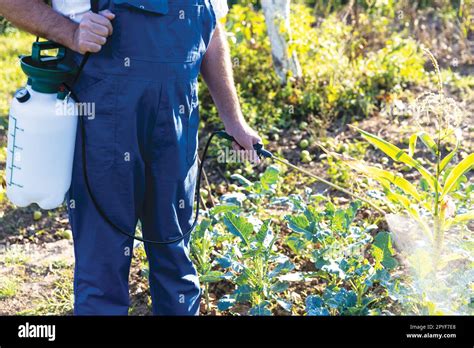
Consistency is key when applying this remedy. Spray your affected squash plants thoroughly, ensuring you cover both the tops and undersides of all leaves, as well as stems. The goal is to coat all existing mildew and create a protective barrier against new growth.
- When to Apply: Early morning or late evening are the best times to spray. Avoid spraying in direct midday sun, as this can lead to leaf scorch, especially with the optional oil/soap ingredients.
- Frequency: For active infections, apply every 5-7 days until the mildew is under control. For prevention, you can apply every 10-14 days during periods when powdery mildew is common in your area.
- Important Note: While generally safe, always test a small, inconspicuous part of the plant first to ensure there’s no adverse reaction before full application.

Beyond the Spray: Proactive Prevention Tips
While the baking soda spray is an excellent treatment, prevention is always better than cure. Incorporating these practices can significantly reduce the likelihood of powdery mildew appearing on your squash:
- Improve Air Circulation: Space your squash plants adequately according to their mature size. Prune lower, older, or overcrowded leaves to allow for better airflow through the plant canopy.
- Water Properly: Water at the base of the plant, directly at the soil level, rather than overhead. Wet leaves, especially overnight, create an ideal environment for fungal growth. Water in the morning so leaves have time to dry.
- Choose Resistant Varieties: When purchasing squash seeds or starts, look for varieties that are specifically bred for powdery mildew resistance.
- Sanitation: Remove and destroy (do not compost) any severely infected leaves or plant debris immediately to prevent the spores from spreading. At the end of the season, clean up all plant matter thoroughly.
- Fertilize Wisely: Avoid excessive nitrogen fertilization, which can promote lush, tender growth that is more susceptible to mildew.

Conclusion: Empowering Your Garden with Simple Solutions
Don’t let powdery mildew deter you from growing delicious squash. With this easy-to-make, homemade baking soda spray and a few good gardening practices, you can effectively manage and prevent this common fungal disease. Your squash plants will thank you with healthy foliage and abundant harvests, all without resorting to harsh chemicals. Happy gardening!