




How can busy country families involve kids in real food garden tasks & homemade food prep?

In the heart of the countryside, families often juggle demanding schedules with the desire to provide a wholesome upbringing. Involving children in the journey from garden to table is not just a quaint ideal but a powerful tool for education, health, and family bonding. It teaches invaluable life skills, fosters a deeper connection to nature, and instills a love for nutritious, real food.
The Joys and Benefits of Garden-to-Table Learning
Engaging children in garden tasks and food preparation offers a multitude of benefits that extend far beyond simply having a meal on the table. Kids who grow their own vegetables are often more willing to eat them, transforming picky eaters into enthusiastic consumers of healthy produce. This hands-on experience demystifies where food comes from, moving it beyond a supermarket shelf and connecting it directly to the effort and care put into its growth.
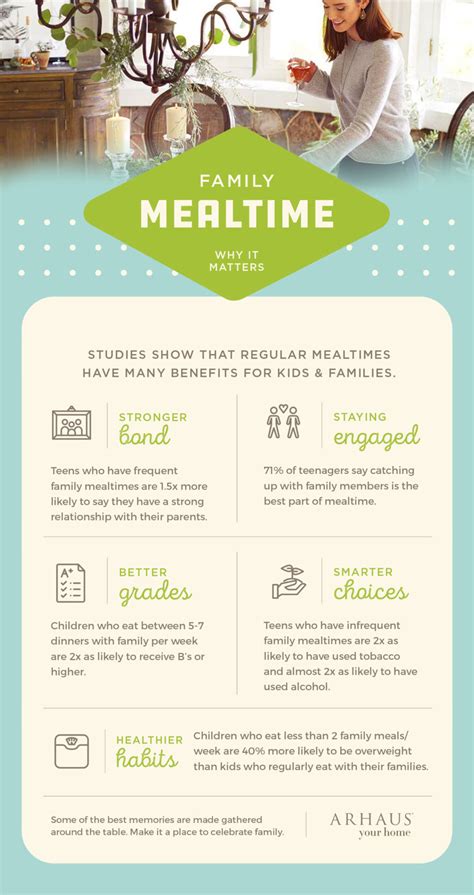
Beyond nutrition, these activities cultivate essential life skills such as responsibility, patience, problem-solving, and teamwork. For busy country families, these shared endeavors create precious moments of connection, away from screens and distractions, building lasting memories and strengthening family bonds amidst the natural beauty of their rural surroundings.
Cultivating Curiosity: Garden Tasks for Children
Age-appropriate tasks ensure children remain engaged and feel a sense of accomplishment rather than frustration. Even the youngest family members can contribute meaningfully to the garden.
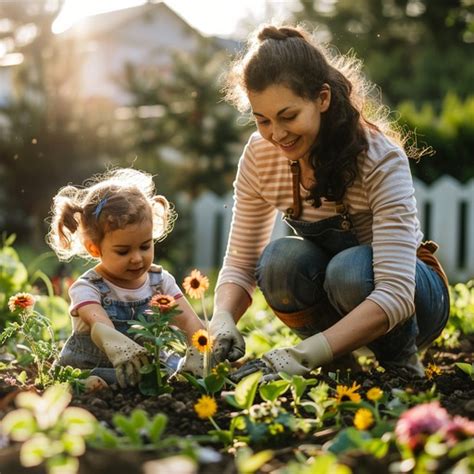
- Toddlers & Preschoolers: Tasks like watering plants with a small can, picking ripe berries or large vegetables (like pumpkins or zucchini), digging in a designated ‘play’ patch, or helping to plant large seeds (beans, peas) are perfect for tiny hands.
- Elementary Age (6-10 years): These children can handle more responsibility, including planting seeds in rows, carefully weeding designated areas, helping with pest identification, and harvesting a wider range of produce. They can also assist with simple composting tasks, understanding the cycle of nature.
- Pre-teens & Teens: Older children can be involved in garden planning, researching different plant varieties, designing garden layouts, building raised beds, managing compost, and even taking ownership of specific garden sections. They can also learn about seed saving and basic preservation techniques.

From Harvest to Hearth: Kids in the Kitchen
Bringing the garden’s bounty into the kitchen is the natural next step. Involving children in food preparation reinforces the value of their garden efforts and empowers them with crucial cooking skills.
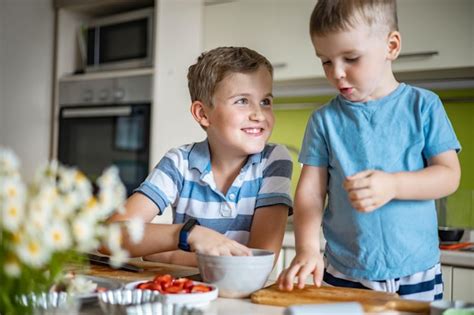
- Little Helpers (Toddlers & Preschoolers): Simple tasks like washing vegetables, stirring ingredients in a bowl, tearing lettuce for salads, or setting the table are great starting points. Always supervise closely.
- Elementary Age: Kids can measure ingredients, pour liquids, whisk eggs, mash potatoes, help knead dough, and use kid-safe knives for softer items. They can also practice reading simple recipes and understanding basic cooking instructions.
- Pre-teens & Teens: Under supervision, older children can take on more complex tasks such as chopping vegetables with adult knives, using kitchen appliances, following multi-step recipes, and even planning and preparing entire meals. This is also an excellent age to introduce preserving techniques like canning, freezing, or dehydrating surplus produce.
Making it Work: Practical Tips for Busy Families
The idea of adding more tasks to an already packed country family schedule might seem daunting, but with a few strategies, it can become a rewarding part of family life:
- Start Small and Be Realistic: Don’t try to grow a full farm or prepare gourmet meals from scratch overnight. Begin with a few easy-to-grow plants or simple recipes.
- Make it Fun: Turn tasks into games, tell stories, sing songs, or listen to music while you work. Focus on the joy of the activity rather than perfection.
- Designate ‘Helper Time’: Set aside specific, short blocks of time each week where kids are expected to help, making it a regular routine rather than an impromptu demand.
- Embrace Imperfection (and Mess): Gardens will have weeds, and kitchens will get messy. Focus on the learning process and the shared experience over flawless results.
- Connect the Dots: Continuously remind children how their efforts in the garden directly contribute to the delicious food on their plates. This reinforces their sense of purpose and pride.

Nurturing a Lifetime of Real Food Appreciation
By integrating children into real food garden tasks and homemade food preparation, busy country families aren’t just teaching them how to grow and cook; they are nurturing a lifelong appreciation for healthy eating, self-sufficiency, and the natural world. These invaluable experiences build character, forge stronger family bonds, and equip children with the skills and knowledge to thrive in a world that increasingly values a connection to the source of its sustenance.