




Tips for picky eaters embracing garden-fresh family meals?

Turning Fussy Eaters into Fresh Food Fans
For many families, the vision of a wholesome, garden-fresh meal is often met with wrinkled noses and outright refusal from picky eaters. Bridging the gap between the vibrant bounty of your garden (or local market) and your child’s dinner plate can feel like an uphill battle. However, with a dash of patience, a sprinkle of creativity, and a whole lot of strategic engagement, you can transform mealtime struggles into joyful culinary adventures, helping even the most selective palates embrace the goodness of nature’s harvest.
Cultivate Curiosity from Seed to Plate
One of the most powerful tools in encouraging picky eaters is involvement. When children have a hand in the process, they develop ownership and curiosity. Start by involving them in the garden itself. Let them help choose what vegetables to plant, sow seeds, water plants, and especially, harvest ripe produce. The act of pulling a carrot from the soil or plucking a sun-warmed tomato can be magical, fostering a connection to food that a supermarket aisle simply cannot replicate.
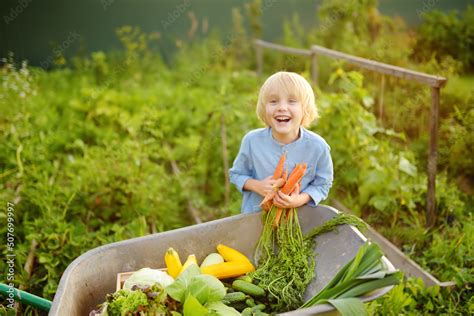
If gardening isn’t an option, take them to a local farmers’ market. Let them pick out a new vegetable or fruit to try. Discuss where the food comes from and how it grows. This hands-on experience demystifies food and makes it less intimidating, turning it into an exciting discovery rather than a mysterious item on their plate.
Make the Kitchen a Creative Classroom
The kitchen is another fantastic place for engagement. Invite your children to be sous-chefs. Even toddlers can wash vegetables, tear lettuce, or stir ingredients (with supervision, of course). Older children can chop softer vegetables, measure ingredients, or help create simple dressings. When they contribute to preparing a meal, they are far more likely to taste it.
Empowerment through Choice
Offer controlled choices. Instead of “What do you want for dinner?” which can lead to “Nothing!”, try “Would you like cucumber sticks or carrot sticks with your dinner?” or “Should we roast the broccoli or steam it tonight?” Giving them a sense of control within healthy boundaries can significantly reduce resistance. You might also let them choose one new vegetable to incorporate into a meal each week, giving them the power of selection.
Presentation and Playfulness are Key
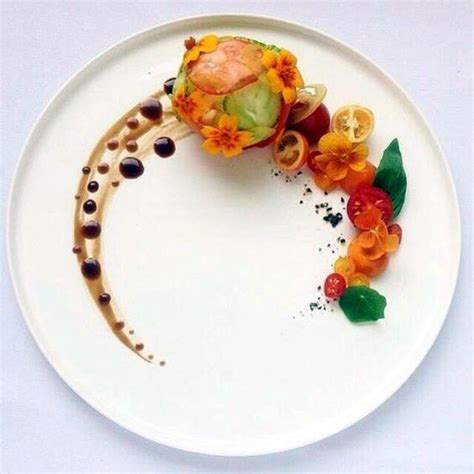
Food presentation can make a huge difference, especially for visual eaters. Turn vegetables into fun shapes using cookie cutters, arrange them into smiling faces, or create colourful skewers. A plate that looks appealing and playful is much more inviting than a plain pile of greens.
Dipping Adventures
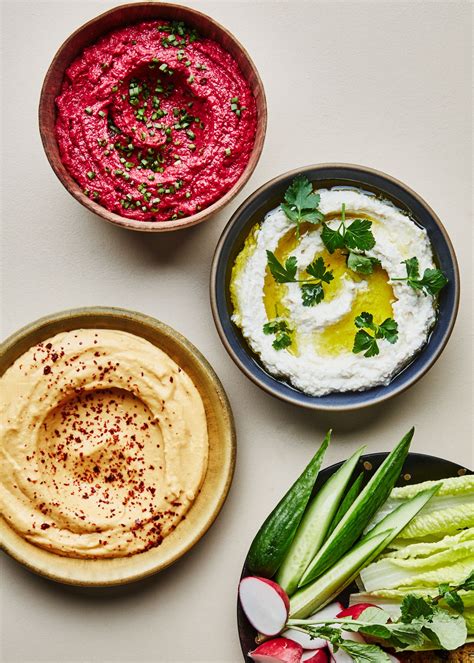
Dipping sauces can be a picky eater’s best friend. Offer a variety of healthy dips like hummus, yogurt-based dips, guacamole, or a mild homemade ranch. Sometimes, the act of dipping is enough to encourage a taste. You might even involve them in making the dip, allowing them to customize flavours.
Patience, Persistence, and Positive Reinforcement
Changing eating habits takes time. Don’t get discouraged if a child rejects a vegetable multiple times. Research suggests that it can take 10-15 exposures to a new food before a child accepts it. Keep offering small portions without pressure. The goal is exposure, not immediate consumption.
The “One Bite” Rule (or Not)
Some parents find the “one bite” rule effective, while others find it creates more resistance. Judge what works best for your child. The key is to avoid making mealtime a battleground. Keep it positive, relaxed, and focused on togetherness.

Lead by Example
Children are excellent imitators. Let them see you enthusiastically eating and enjoying a wide variety of garden-fresh foods. Talk positively about the taste, texture, and health benefits. Family meals where everyone eats the same healthy food create a powerful message.

Creative Culinary Camouflage
While the ultimate goal is for children to enjoy whole vegetables, don’t be afraid to discreetly incorporate them into dishes they already love. Pureed carrots or zucchini can disappear into pasta sauces, finely grated cauliflower can extend ground meat, and spinach can blend into smoothies. This “camouflage” is a temporary bridge, providing nutrients while you work on direct acceptance.
Conclusion
Encouraging picky eaters to embrace garden-fresh family meals is a journey, not a sprint. By involving them in the garden and kitchen, making food fun, offering choices, and maintaining a patient, positive approach, you’ll gradually expand their palates and cultivate a lifelong appreciation for healthy, wholesome food. Celebrate every small victory, and remember that consistent exposure and a joyful mealtime environment are your most potent ingredients for success.