

How to update Grandma’s classic recipe for garden excess without losing the flavor?
Summer often brings a glorious bounty from the garden, leaving us with an abundance of fresh vegetables and a desire to use them creatively. Grandma’s recipes, those comforting staples passed down through generations, are often the first to come to mind. But how do you honor tradition and utilize your seasonal gluts without sacrificing the soul of a classic dish? It’s a delicate dance between innovation and respect, and with a few thoughtful adjustments, you can update those timeless recipes for the modern kitchen and a plentiful harvest.
Preserving the Heart of the Heirloom
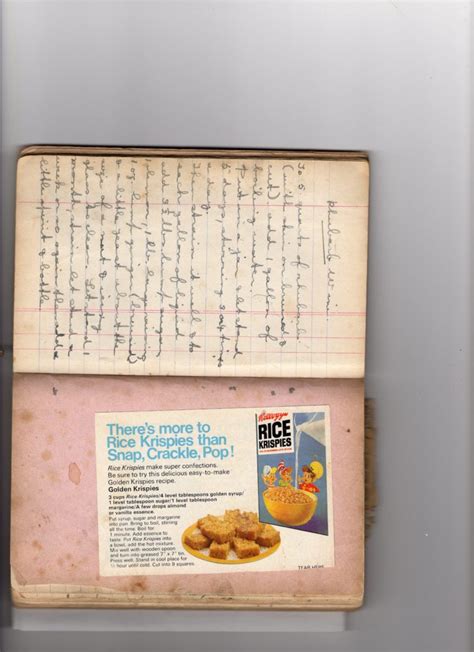
Before you start making swaps, take a moment to understand what makes Grandma’s recipe truly special. What are the core flavors? Is it a specific spice blend, a particular cooking method, or the interaction of certain ingredients? Identify the non-negotiable elements. For a tomato sauce, it might be the richness and sweetness of slow-cooked tomatoes; for a green bean casserole, perhaps the creamy texture and crispy topping. Pinpointing these defining characteristics will guide your updates, ensuring the essence remains intact.
Consider the textures and aromas as well. Does the dish rely on a tender braise, a crisp sauté, or a vibrant fresh element? Understanding these foundational aspects will empower you to make informed decisions about substitutions and techniques that complement, rather than detract from, the original intent.
Smart Substitutions for Garden Abundance
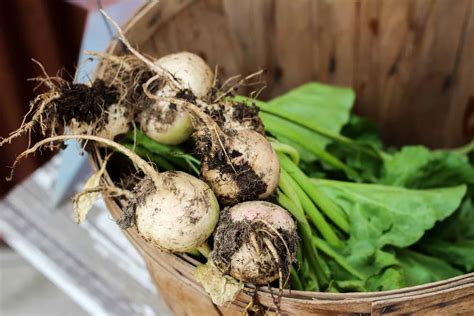
With your garden overflowing, clever ingredient swaps are key. Don’t just add more vegetables; integrate them thoughtfully. If a recipe calls for canned tomatoes, fresh, ripe garden tomatoes are a natural upgrade. A zucchini bread recipe can easily accommodate shredded carrots or even finely grated beets for added moisture and nutrients.
When swapping, think about flavor profiles and moisture content. If a recipe is robust, you might introduce heartier greens like kale or Swiss chard. For lighter dishes, delicate spinach or young beet greens could be perfect. Remember to adjust cooking times, as fresh vegetables often cook faster and release more liquid than their canned or frozen counterparts. Blanching tougher greens before adding them to a casserole can also prevent them from watering down the dish.
Modern Techniques, Timeless Taste
While Grandma might have spent hours simmering, modern kitchens offer efficiency without compromise. Roasting vegetables instead of boiling or sautéing them can deepen their flavor, concentrating sugars and adding a beautiful caramelization that enhances many traditional dishes. Imagine roasted garden carrots and parsnips folded into a classic beef stew.
Pressure cookers can dramatically cut down the cooking time for stews and soups, achieving tender results in a fraction of the time. Using an immersion blender for creamy soups or sauces provides a smoother texture with less fuss. These techniques aren’t about reinventing the wheel, but rather about streamlining the process, allowing the natural flavors of your fresh produce to shine even more brightly.

Elevating Flavor: Seasoning and Aromatics
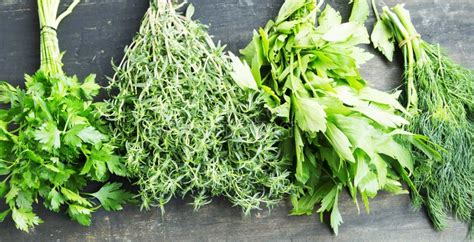
Sometimes, the secret to a great update lies in subtle enhancements. Fresh herbs from your garden are a powerful tool. Swap dried herbs for fresh ones at the end of cooking for a brighter, more vibrant finish. A squeeze of lemon juice or a dash of good quality vinegar can ‘lift’ heavy dishes, bringing out the inherent flavors of the vegetables.
Don’t be afraid to experiment with umami boosters like a pinch of mushroom powder, a dash of soy sauce, or a spoonful of tomato paste, especially if you’re reducing the amount of meat. Layering aromatics—sautéing onions, garlic, and celery at the start, then adding fresh herbs like basil or parsley just before serving—can add complexity and depth without altering the core flavor profile.

Beyond the Plate: Presentation and Preservation
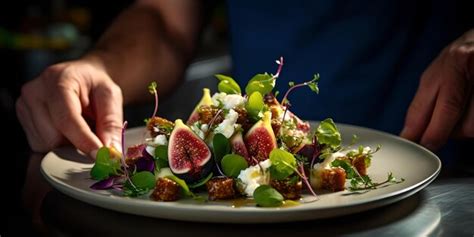
Updating a recipe isn’t just about taste; it’s also about experience. A sprinkle of fresh, vibrant herbs, a drizzle of high-quality olive oil, or a scattering of toasted nuts can elevate the visual appeal of even the simplest dish. Thoughtful plating, arranging the components of the meal attractively, makes the dining experience more enjoyable.
And when the garden truly overpowers, consider methods of preservation. Many classic recipes, like tomato sauces, pickles, or jams, are perfect for canning or freezing. Adapting Grandma’s pickling recipe with a mix of unusual garden cucumbers and squash, or freezing individual portions of a hearty vegetable soup, ensures you can enjoy the bounty long after the harvest season has passed.
Updating Grandma’s classic recipes for your garden’s excess is a rewarding culinary journey. It’s a testament to the enduring power of family traditions, enriched by the vibrant flavors of the season and the ingenuity of modern cooking. By understanding the soul of the original dish, making smart substitutions, embracing modern techniques, and enhancing flavors thoughtfully, you can create new family favorites that honor the past while celebrating the present.