



How do I adapt classic family recipes to use my garden’s seasonal vegetable gluts?
Embracing the Garden’s Bounty in Your Kitchen
There’s a unique joy in harvesting fresh vegetables from your own garden – but often, that joy comes with the challenge of an overwhelming abundance. Whether it’s a mountain of zucchini, a deluge of tomatoes, or endless green beans, every gardener eventually faces the seasonal glut. The good news is that these garden treasures don’t have to go to waste. With a bit of creativity, you can seamlessly integrate them into your beloved classic family recipes, adding fresh flavor and nutrients while preserving culinary traditions.
Understanding Your Gluts and Recipe Core
Before you start swapping, take a moment to understand both your vegetables and your recipes. What are your common gluts? Zucchini, tomatoes, peppers, green beans, cucumbers, and leafy greens are frequent contenders. Next, identify the core components and flavors of your classic dishes. Is it a hearty stew, a comforting casserole, a savory baked good, or a fresh pasta sauce? Knowing the essence of the dish will guide your adaptations.
Smart Substitution and Creative Addition
Direct Swaps & Hidden Veggies
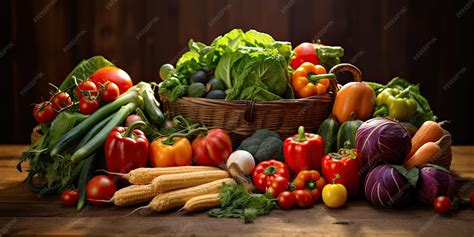
- Zucchini & Squash: Grated zucchini can replace some of the flour in quick breads, muffins, or even meatballs and meatloaf. Sliced zucchini or eggplant can stand in for pasta layers in lasagna. Spiralized zucchini makes an excellent low-carb pasta substitute.
- Tomatoes: Fresh, ripe tomatoes are perfect for enhancing or even becoming the base of sauces, soups, and stews. Instead of canned diced tomatoes, simply chop your garden fresh ones.
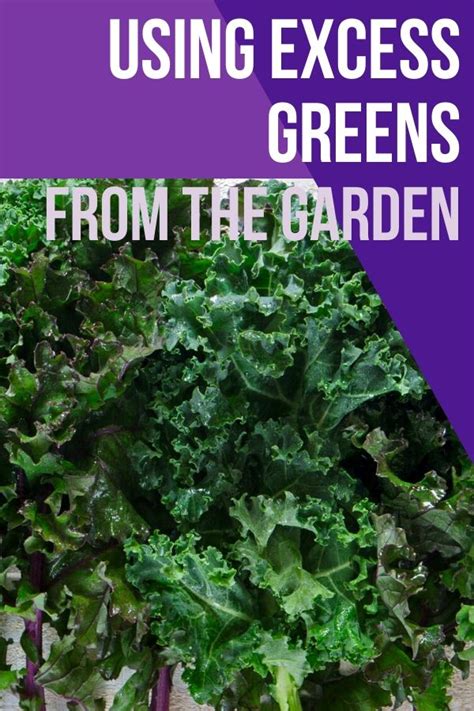
- Leafy Greens (Spinach, Kale, Chard): Wilted greens can be added to almost any savory dish – casseroles, frittatas, quiches, pasta sauces, or tucked into enchiladas and quesadillas.
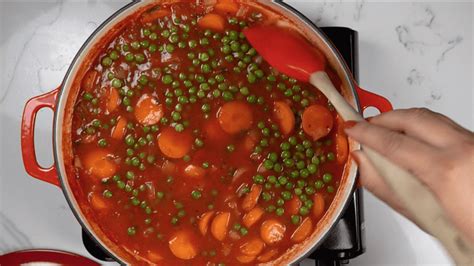
- Beans & Peas: Fresh green beans or peas can easily be added to stir-fries, pasta salads, potato salads, or simply steamed as a vibrant side to any meal.
Consider the moisture content when substituting. Watery vegetables like zucchini might require slightly less liquid elsewhere in the recipe, or a quick squeeze to remove excess water before adding.
Matching Flavor Profiles and Textures
When adapting, think about how the vegetable’s natural flavor and texture will interact with the dish. Neutral-flavored vegetables like zucchini, cucumber, or mild leafy greens are very versatile and will readily absorb the flavors of the dish they’re added to. Stronger-flavored vegetables like bell peppers, eggplant, or kale might need to be paired with recipes that complement their robust taste.
Consider cooking methods too. Roasting can sweeten and mellow many vegetables, making them more appealing additions to savory dishes. Blending cooked vegetables into sauces (think pureed carrots or squash in mac and cheese sauce) is an excellent way to add nutrients invisibly.
Repurposing and Batch Cooking for Future Meals
Sometimes, a direct substitution isn’t the only answer. Repurposing your glut into a component for a classic recipe can be incredibly effective. For instance:
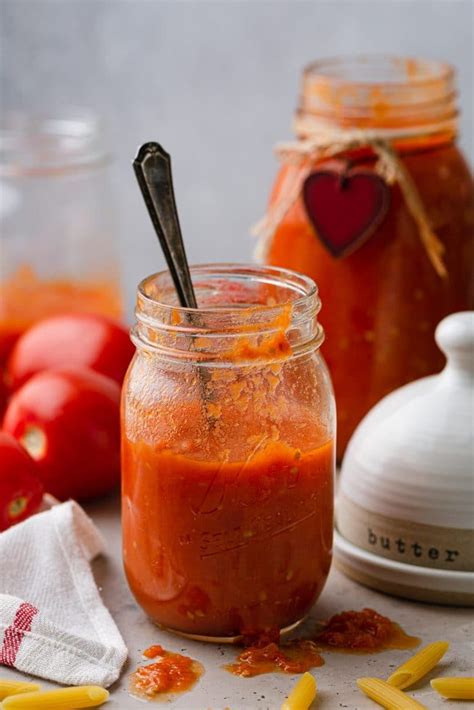
- Tomato Sauce: Turn a huge tomato harvest into a rich, homemade marinara that can be frozen and used in countless pasta dishes, pizzas, or as a base for chicken or eggplant parmesan throughout the year.
- Roasted Vegetable Medley: Roast a mix of your excess vegetables (peppers, onions, zucchini, eggplant) and use them as a filling for frittatas, an addition to omelets, or stirred into risottos and pasta.
- Pesto: Excess basil (or even kale!) can be turned into pesto, which freezes beautifully and is perfect for pasta, sandwiches, or as a spread.
Batch cooking is your friend. Make large quantities of vegetable-rich soups, stews, or casseroles that can be portioned and frozen, ensuring your garden’s bounty brings joy long after the season ends.
Practical Tips for Success
- Start Small: Don’t overhaul an entire recipe at once. Begin by adding a small amount of a new vegetable and gradually increase it.
- Taste As You Go: Continuously taste your dish during the cooking process to adjust seasonings and ensure the flavors are balanced.
- Embrace Experimentation: The best adaptations often come from a willingness to try new things. Some will be hits, some misses – that’s part of the fun!
- Keep Notes: Jot down what worked (and what didn’t) for future reference. This builds your own personal garden-to-table recipe book.
- Consider Preservation: For truly massive gluts, don’t forget traditional preservation methods like canning, dehydrating, or pickling. These preserved items can then be used in your classic recipes during the off-season.
Harvesting Flavor, Honoring Tradition
Adapting classic family recipes to incorporate your garden’s seasonal vegetable gluts is a rewarding endeavor. It’s a way to honor your culinary heritage while embracing sustainable living and enjoying the freshest ingredients possible. With a little planning and a dash of daring, your family’s favorite dishes will not only benefit from the vibrant flavors of your harvest but will also evolve into new, beloved traditions that celebrate the bounty of your own backyard.