



What easy real food recipes utilize garden surplus & minimize food waste?
Embracing the Bountiful Harvest: Simple Ways to Use Your Garden’s Best
There’s nothing quite like the satisfaction of harvesting fresh produce from your own garden. However, a thriving garden can quickly lead to an overwhelming surplus, often resulting in good food going to waste. The good news is that with a few easy, real food recipes and smart strategies, you can turn your abundance into delicious meals, snacks, and pantry staples, all while minimizing your environmental footprint.
The key lies in versatility and simplicity. Focusing on recipes that highlight the natural flavors of your fresh produce, require minimal fuss, and often allow for batch preparation or preservation will be your greatest assets.
Tomato Triumph: From Vine to Versatile Dishes
Tomatoes are often the star of a summer garden, and their prolific nature means you’ll likely have more than you can eat fresh. Beyond slicing them for sandwiches, there are countless easy ways to utilize your tomato surplus.
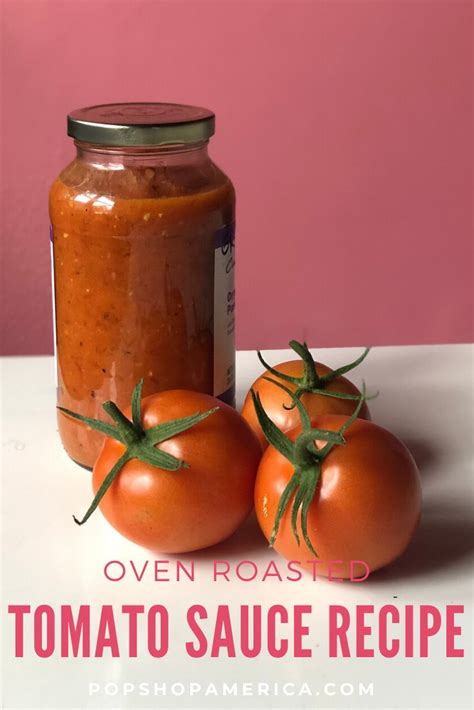
- Roasted Tomato Sauce: Halve or quarter your tomatoes, toss with olive oil, garlic, basil, salt, and pepper. Roast at 375°F (190°C) until softened and slightly caramelized. Blend for a rustic sauce or keep chunky. This freezes beautifully.
- Fresh Salsa/Pico de Gallo: Dice tomatoes, red onion, jalapeño (optional), cilantro, and lime juice. Serve with chips, on tacos, or grilled chicken.
- Bruschetta Topping: Dice fresh tomatoes, mix with minced garlic, fresh basil, olive oil, and a splash of balsamic vinegar. Serve on toasted baguette slices.
Zucchini Zen: Creative Ways to Enjoy the Squash Abundance
Zucchini is notorious for its rapid growth and high yield. If you’re tired of zucchini bread, here are some fresh ideas to incorporate this versatile squash into your real food repertoire:
- Zucchini Fritters: Grate zucchini, squeeze out excess water, then mix with an egg, a little flour (or almond flour for gluten-free), grated cheese (optional), herbs, salt, and pepper. Pan-fry until golden brown.
- Grilled Zucchini Spears: Slice zucchini lengthwise into spears, brush with olive oil, and grill until tender with nice char marks. Season with herbs and a squeeze of lemon.
- Zucchini Noodles (Zoodles): Use a spiralizer to create zucchini noodles. Sauté lightly and serve with your favorite pesto or marinara sauce for a low-carb meal.
Leafy Greens & Herb Haven: Freshness in Every Bite
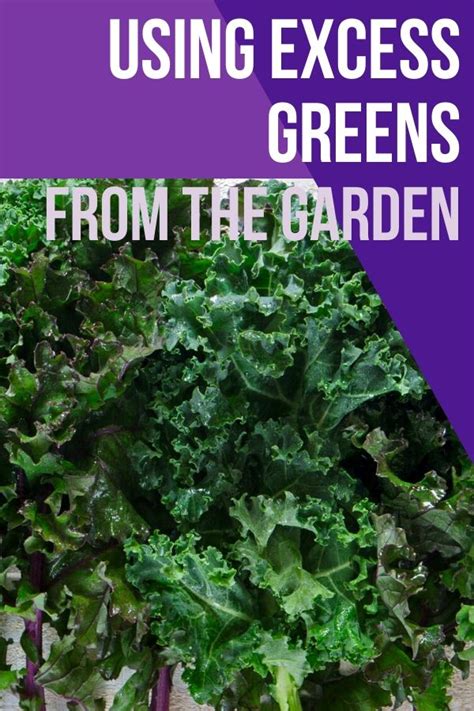
Spinach, kale, Swiss chard, basil, parsley, mint—these greens and herbs often provide a continuous harvest. Don’t let them wilt!
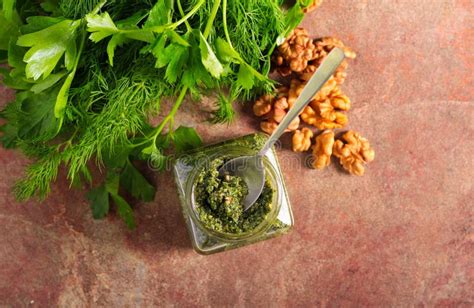
- Homemade Pesto: Blend basil (or other greens like spinach/kale), garlic, pine nuts (or walnuts), Parmesan cheese, and olive oil. Freeze in ice cube trays for year-round flavor boosts.
- Green Smoothies: Blend spinach, kale, or chard with fruit (like berries or bananas), water or plant milk, and a boost of protein powder if desired.
- Stir-Fries: Wilt large quantities of leafy greens into any stir-fry or pasta dish. They shrink considerably, making it easy to consume a lot at once.
Berry Bonanza: Sweet Ways to Savor Your Harvest
From strawberries to blueberries and raspberries, fresh berries are a delight. When you have too many to eat fresh, consider these options:
- Quick Jams or Compotes: Cook berries with a little sugar (or maple syrup) and lemon juice until thickened. Great for toast, yogurt, or ice cream.
- Berry Crumbles/Crisps: Top fresh berries with a simple oat and flour crumble, bake until bubbly and golden.
- Frozen Berries: Simply wash, pat dry, and spread in a single layer on a baking sheet to freeze. Once solid, transfer to freezer bags. Perfect for smoothies, baking, or future compotes.

General Strategies for Minimal Waste
Beyond specific recipes, adopting general habits can significantly reduce food waste:
- Batch Cooking & Freezing: Many dishes (soups, sauces, roasted vegetables) can be made in larger quantities and frozen for later.
- Root-to-Stem Cooking: Don’t discard edible parts! Carrot tops can be made into pesto, beet greens cooked like spinach, and broccoli stems peeled and diced for stir-fries.
- Fermentation & Pickling: Extend the life of cucumbers, cabbage, and other vegetables through lacto-fermentation or quick pickling.
- Composting: For truly unusable scraps (like tough stems or spoiled bits), a compost bin returns nutrients to your garden.
Conclusion: Enjoying the Full Cycle of Your Garden
Utilizing your garden surplus with easy, real food recipes is a rewarding practice that connects you more deeply with your food source. It’s about creativity, sustainability, and savoring the flavors of each season. By embracing these simple methods, you not only enjoy delicious meals but also contribute to a healthier planet by minimizing food waste.
So, the next time your garden overflows, see it not as a challenge, but as an exciting opportunity to cook, preserve, and share the bounty, ensuring that every effort you put into growing your food comes full circle to nourish you and your family.