




Best heirloom tomato varieties for zone 6, preserving, and disease resistance?

Thriving Heirlooms in Zone 6: A Gardener’s Guide
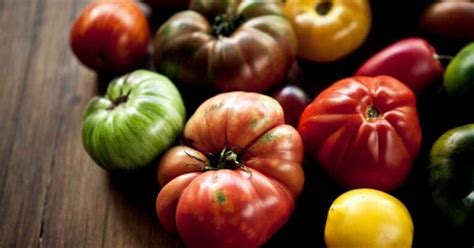
Heirloom tomatoes offer an unparalleled range of flavors, colors, and textures that modern hybrids often can’t match. For gardeners in Zone 6, selecting the right varieties is key to a bountiful harvest, especially when considering factors like the growing season, potential for preserving, and managing disease risks. Zone 6 typically experiences a growing season from mid-April to late October, with hot summers and moderate winters, providing ample time for most heirloom varieties to mature.
Understanding Zone 6 Challenges and Opportunities
While Zone 6 offers a generous growing window, it’s not without its challenges. Fluctuating spring temperatures, humid summers that can encourage fungal diseases, and the need for varieties that produce well throughout the season are all considerations. Heirloom tomatoes, by their nature, are open-pollinated and have not been selectively bred for disease resistance in the same way modern hybrids have. However, certain varieties display a natural vigor and tolerance that make them better choices for a robust Zone 6 harvest.
Top Heirloom Varieties for Preserving
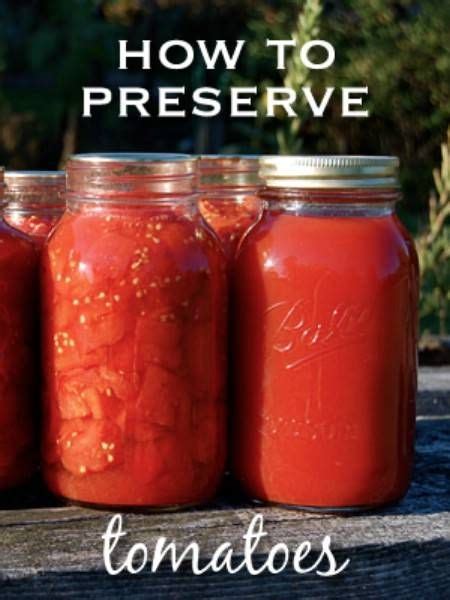
Preserving your tomato harvest—whether canning sauces, making paste, or drying—is a rewarding way to enjoy summer’s bounty all year long. The best tomatoes for preserving generally have thick walls, fewer seeds, and a concentrated flavor that intensifies when cooked. For Zone 6, these varieties are excellent:
- Amish Paste: A large, robust paste tomato with excellent flavor and meaty flesh, making it perfect for sauces, salsas, and canning diced tomatoes. It’s a heavy producer and relatively vigorous for an heirloom.
- San Marzano (Heirloom Type): Famous for its elongated shape, low seed count, and intense flavor, the true heirloom San Marzano is the gold standard for authentic Italian sauces and canning. While not the fastest grower, it performs well in Zone 6’s long season.
- Rutgers: A classic American heirloom, Rutgers is a medium-to-large, round, red tomato known for its rich flavor and versatility. It’s excellent for slicing, but its high pectin content and balanced acidity also make it superb for canning whole, crushed, or as sauce. Rutgers is also known for being quite robust and adaptable.
Heirloom Varieties with Noteworthy Disease Resistance (Relative)
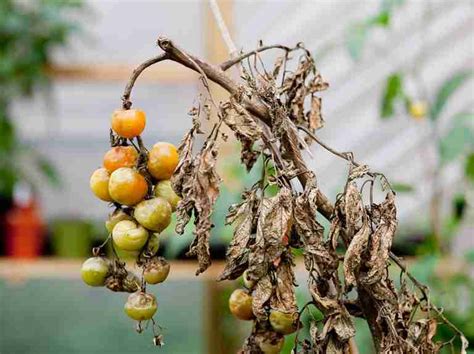
It’s important to manage expectations regarding disease resistance in heirlooms; they generally won’t have the high-level resistance of F1 hybrids. However, some varieties are known for their strong vigor, healthier foliage, or better tolerance to common ailments like Fusarium wilt, Verticillium wilt, or general blight pressures. Good cultural practices (proper spacing, pruning, airflow, mulching) are always paramount.
- Arkansas Traveler: A reliable producer known for its heat tolerance and relative resistance to cracking and disease. It yields medium-sized, pinkish-red fruits with a pleasant, mild flavor, making it versatile for fresh eating and light processing.
- German Johnson: A large, pink beefsteak known for its vigor and impressive yields. While not immune, many gardeners report it handles common diseases better than some other large beefsteaks, offering a robust plant that produces delicious, meaty slices excellent for sandwiches and canning.
- Homestead 24: This open-pollinated variety was developed for heat and disease tolerance, making it a good choice for challenging conditions. It produces medium-sized, firm red tomatoes that are good for slicing and canning, and it’s recognized for its robust plant health.
Flavor Favorites and All-Purpose Heirlooms for Zone 6
Beyond preserving and disease considerations, some heirlooms are simply must-grows for their incredible flavor and versatility in the Zone 6 garden:
- Cherokee Purple: A beloved dark heirloom renowned for its complex, smoky-sweet flavor. It produces medium to large, dusky-pink fruits and is generally a vigorous grower, offering a reliable harvest for fresh eating.
- Brandywine (Sudduth’s Strain): Often considered the epitome of heirloom flavor, this large, pink beefsteak boasts a creamy texture and intensely rich taste. While more susceptible to disease, its flavor makes it worth the effort for many Zone 6 gardeners.

General Tips for Growing Heirlooms in Zone 6
- Soil Preparation: Amend your soil with plenty of organic matter. Heirlooms are heavy feeders.
- Sunlight: Ensure at least 6-8 hours of direct sunlight daily.
- Watering: Consistent deep watering is crucial, especially during dry spells and fruit development, to prevent cracking and blossom end rot.
- Support: Provide strong staking or caging for indeterminate varieties, which most heirlooms are.
- Mulching: Apply a thick layer of mulch to conserve moisture, regulate soil temperature, and suppress weeds.
- Rotation: Rotate your crops annually to minimize soil-borne diseases.
- Airflow: Prune lower leaves and suckers to improve air circulation, reducing the risk of fungal diseases, especially in humid Zone 6 summers.
Conclusion
Growing heirloom tomatoes in Zone 6 is a deeply rewarding experience, offering a connection to gardening heritage and a bounty of diverse flavors. By selecting varieties known for their vigor, suitability for preserving, and relative resilience, and by implementing sound gardening practices, you can enjoy a successful and delicious heirloom tomato season year after year. Experiment with a few different types to discover which heirlooms thrive best in your specific garden microclimate and best satisfy your culinary desires.