

Best recipes for preserving a summer garden glut without fancy equipment?

Make Your Summer Harvest Last All Year Round
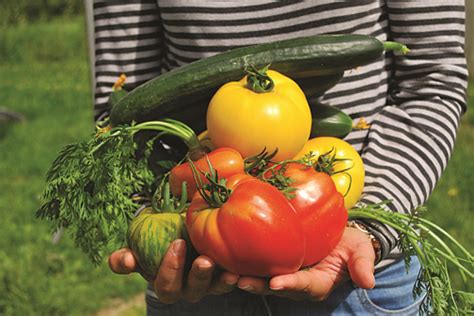
The joy of a summer garden is undeniable: vibrant tomatoes, crisp cucumbers, fragrant herbs, and sweet berries. But with that joy often comes an overwhelming bounty – a ‘glut’ that threatens to go to waste if not handled promptly. The good news? You don’t need expensive dehydrators, pressure canners, or a commercial kitchen to preserve your harvest. With just a few basic kitchen tools and some clever techniques, you can enjoy the taste of summer long after the season ends. Let’s dive into some easy, equipment-friendly ways to save your summer produce.
1. Freezing: The Ultimate Easy Button
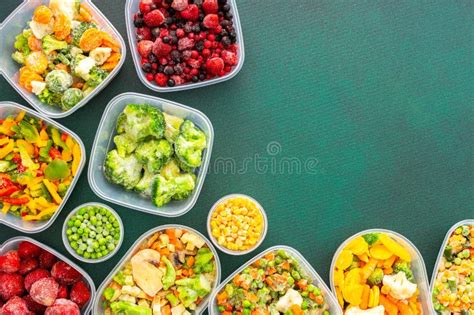
Freezing is arguably the simplest method for preserving most fruits and many vegetables. It requires minimal preparation and no special equipment beyond freezer-safe containers or bags.
For Vegetables: Blanch and Freeze
Most vegetables benefit from blanching (briefly boiling then plunging into ice water) before freezing. This stops enzyme action, preserving color, flavor, and nutrients.
- Green Beans & Broccoli: Wash, chop, blanch for 2-3 minutes, cool, drain, and freeze flat on a baking sheet before transferring to bags.
- Corn: Blanch whole ears for 4 minutes, then cut kernels off the cob and freeze.
- Bell Peppers & Onions: Simply chop and freeze raw on a baking sheet. No blanching needed!
- Tomato Puree/Sauce Base: Cook down ripe tomatoes with herbs, cool, and freeze in portions (ice cube trays for small amounts, freezer bags for larger).
For Fruits: Simple Freezing
Berries and many other fruits freeze beautifully without any pre-treatment.
- Berries (Strawberries, Blueberries, Raspberries): Wash gently, pat dry, spread in a single layer on a baking sheet, freeze until solid, then transfer to freezer bags. This prevents them from clumping together.
- Peeled Peaches/Nectarines: Slice and freeze flat, or make a simple fruit puree and freeze in containers.
2. Water Bath Canning: Jams, Jellies & Pickles
Don’t let the word ‘canning’ intimidate you! Water bath canning is a straightforward method perfect for high-acid foods like fruits, pickled vegetables, and some tomato products. You don’t need a special pressure canner; a large pot with a lid and a rack (or even extra jar rings) at the bottom will do.
Sweet Treats: Jams & Jellies
Transforming fruit into delicious preserves is a classic way to capture summer flavor.
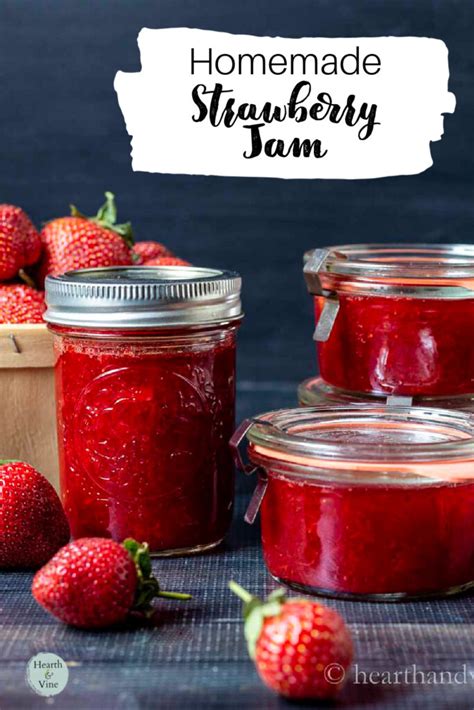
- Basic Strawberry Jam: Combine 4 cups crushed strawberries with 4 cups sugar and 1/4 cup lemon juice in a large pot. Bring to a rolling boil, stirring frequently, until it reaches gel stage (around 220°F/104°C or passes the cold plate test). Ladle into hot, sterilized jars, leaving 1/4 inch headspace. Process in a boiling water bath for 10 minutes.
- Peach Butter: Cook down peeled, chopped peaches with a little sugar and spices until thick and spreadable.
Savory Staples: Pickles
Crisp, tangy pickles are a garden staple, and surprisingly easy to make.
- Classic Dill Pickles: Pack pickling cucumbers into hot, sterilized jars with fresh dill, garlic cloves, and spices. Pour hot brine (vinegar, water, salt) over them, leaving 1/2 inch headspace. Process in a boiling water bath for 10-15 minutes (adjust for altitude).
- Quick Pickled Green Beans or Zucchini: Follow the dill pickle method, adjusting spices as desired.
3. Simple Dehydration: Air & Oven Drying
While a dedicated dehydrator is convenient, you can easily dry many items using your oven on its lowest setting or even just circulating air.
Oven-Dried Goodness
This method works well for smaller items and herbs.
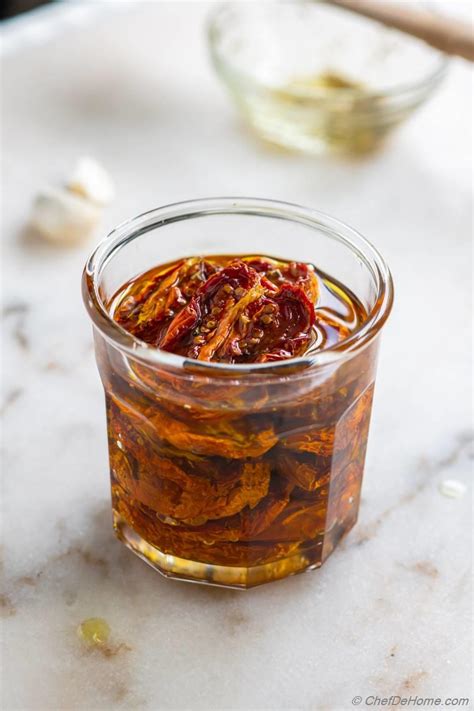
- Oven-Dried Tomatoes: Slice tomatoes thinly, toss with a little salt and olive oil (optional), and spread on baking sheets. Bake at the lowest oven temperature (150-200°F/65-93°C) for several hours, propping the oven door open slightly to allow moisture to escape, until leathery and dry. Store in olive oil or airtight containers.
- Fruit Leathers: Puree fruit (berries, apples), spread thinly on parchment-lined baking sheets, and dry in the oven at its lowest setting until pliable and non-sticky.
Air Drying Herbs
For herbs, air drying is the easiest and most traditional method.
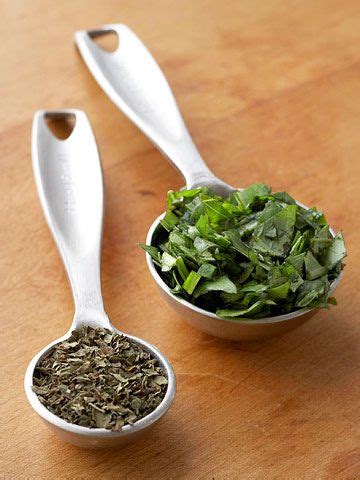
- Bundled Herbs: Gather small bunches of herbs (rosemary, thyme, oregano, parsley), tie with string, and hang upside down in a warm, dry, well-ventilated area away from direct sunlight. Once brittle, crumble and store in airtight jars.
4. Fermentation: The Old-World Way
Fermentation is an ancient preservation technique that creates probiotic-rich foods with incredible flavor. All you need are jars, salt, vegetables, and time.
- Classic Sauerkraut: Finely shred cabbage, massage it with salt (about 1 tablespoon per pound of cabbage) until it releases brine. Pack tightly into a clean jar, ensuring the cabbage is submerged under its own brine (use a smaller jar or a clean rock as a weight if needed). Cover loosely and let ferment at room temperature for 1-4 weeks, tasting periodically.
- Lacto-Fermented Pickles: Similar to sauerkraut, but with whole cucumbers in a salt brine. Add dill, garlic, and spices for flavor.
Enjoying Your Hard Work
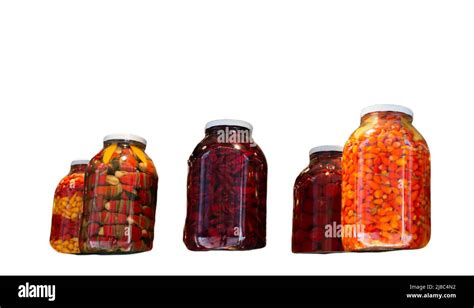
Preserving your summer garden glut doesn’t have to be complicated or expensive. With these simple, low-tech methods, you can capture the peak flavors of the season and enjoy your homegrown bounty throughout the colder months. Whether it’s a jar of homemade jam on your toast, a side of tangy pickles with dinner, or frozen pesto cubes brightening a winter soup, your efforts will be deliciously rewarded. Happy preserving!