



How to substitute fresh garden herbs for dried in old family recipes?
Bringing the vibrant flavors of your garden into cherished family recipes can transform a dish, adding an unparalleled freshness that dried herbs often can’t match. However, successfully making the switch requires a little know-how. Dried herbs are significantly more concentrated than their fresh counterparts, meaning a direct 1:1 swap would overpower your dish. This guide will help you confidently navigate the substitution, ensuring your grandmother’s famous stew or Aunt Sally’s signature sauce tastes better than ever.
The Golden Rule: The 1:3 Ratio
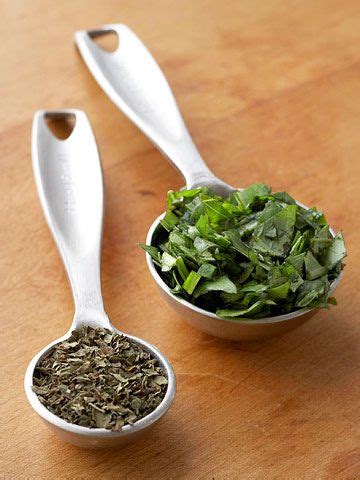
The most crucial principle when substituting fresh herbs for dried is understanding the ratio. Generally, for every one part of dried herb called for in a recipe, you’ll need three parts of fresh herb. For example, if a recipe specifies 1 teaspoon of dried thyme, you would use 3 teaspoons (or 1 tablespoon) of fresh thyme. This ratio accounts for the loss of moisture and concentration of flavor that occurs during the drying process.
Keep in mind this is a general guideline. Some herbs, like rosemary, can be quite potent even fresh, while others, like fresh parsley or basil, are milder. Always err on the side of caution and remember you can always add more, but you can’t easily take it away.
Understanding Herb Potency and Flavor Profiles
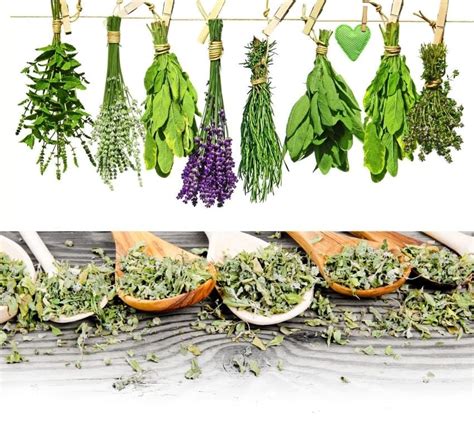
Not all herbs are created equal, especially when comparing fresh to dried. Some herbs retain their flavor well when dried (like oregano, rosemary, thyme), while others lose much of their aromatic punch (like basil, parsley, cilantro).
- Robust Herbs (Rosemary, Thyme, Oregano, Sage): These herbs have woody stems and strong, earthy flavors. Their dried versions are quite potent, so the 1:3 ratio is a good starting point. When using fresh, you might want to strip the leaves from the stem and finely chop them to ensure even distribution of flavor.
- Delicate Herbs (Parsley, Basil, Chives, Cilantro, Mint): These herbs are known for their bright, fresh, and often leafy characteristics. They lose a lot of their vibrancy when dried. For these, you might even push the ratio slightly higher, perhaps 1:4, if you want a pronounced fresh flavor. They are best added towards the end of cooking to preserve their delicate notes.
Tips for Seamless Substitution
Timing is Everything
Dried herbs need time to rehydrate and release their flavors, which is why they’re often added early in the cooking process. Fresh herbs, especially delicate ones, should generally be added later in the cooking process. Adding them in the last 10-20 minutes or even as a garnish just before serving helps preserve their bright colors, aromas, and delicate flavors, preventing them from becoming dull or bitter.
Finely Chop Woody Stems
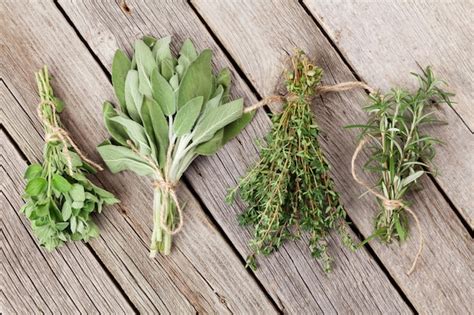
For fresh herbs with woody stems like rosemary or thyme, remember to remove the leaves from the stem before chopping. These stems are fibrous and not pleasant to eat. Finely chopping the leaves helps release their oils and distributes their flavor evenly throughout the dish.
Taste and Adjust
This is perhaps the most important tip. Even with the ratios, your palate is the ultimate judge. Start with the recommended amount, then taste the dish as it cooks. If it needs more herb flavor, add a little more, tasting again until you reach the desired profile. Old family recipes can vary in their original herb potency too, so trust your senses.

Consider the Form
Sometimes, fresh herbs are added for texture as well as flavor (e.g., fresh parsley as a garnish). When substituting, think about the role the herb plays. If it’s purely for flavor, the ratio is key. If it’s for visual appeal, ensure your fresh herbs are finely chopped or appropriately placed.
Embrace the Freshness and Experiment
Substituting fresh garden herbs for dried ones is a wonderful way to elevate your cooking and add a personal touch to beloved family recipes. It brings new life and vibrancy to familiar flavors. Don’t be afraid to experiment a little, start with the general guidelines, and adjust to your taste. Your efforts will be rewarded with dishes that burst with the fresh, aromatic essence of your garden, making old recipes feel new again.