


Simple ways to preserve excess garden tomatoes for winter meals?

The bounty of a summer garden is a joy, but when your tomato plants explode with fruit, you might find yourself with more ripe tomatoes than you know what to do with. Don’t let that delicious excess go to waste! Preserving tomatoes is simpler than you might think and ensures you can enjoy their vibrant flavor in hearty soups, sauces, and stews all winter long. Here are some straightforward methods to keep your harvest fresh for months.
Freezing Tomatoes: The Easiest Option
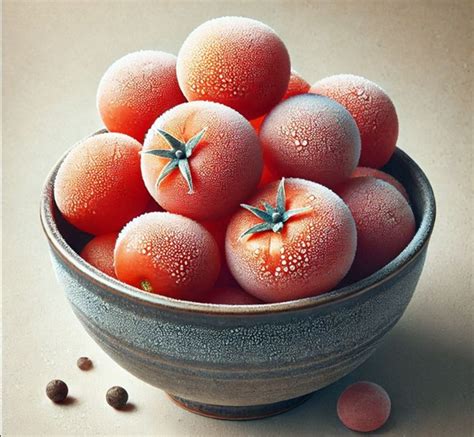
For sheer simplicity, freezing is hard to beat. It requires minimal equipment and preserves the fresh taste of tomatoes beautifully. You can freeze them whole, chopped, or pureed, depending on your intended use.
- Whole or Halved: Wash ripe tomatoes, remove the core, and place them on a baking sheet in a single layer to flash freeze. Once solid (a few hours), transfer them to freezer bags. When thawed, the skins will slip right off, perfect for sauces or stews.
- Chopped: For recipes where diced tomatoes are needed, simply chop washed, cored tomatoes and pack them into freezer-safe containers or bags.
- Pureed: Blend tomatoes until smooth, then pour into ice cube trays or freezer-safe containers. This is excellent for adding a burst of tomato flavor to dishes.
Frozen tomatoes retain much of their nutritional value and are incredibly convenient for quick winter meals.
Canning Tomatoes for Long-Term Storage
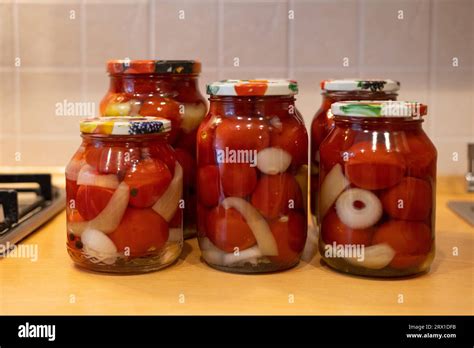
Canning offers shelf-stable preservation, meaning no freezer space is required. While it takes a bit more effort upfront, the reward is a pantry stocked with ready-to-use tomatoes. Water bath canning is suitable for high-acid foods like tomatoes, often with a little added lemon juice or citric acid for safety.
- Diced or Crushed: Peel, core, and chop tomatoes. Pack them into sterilized jars, adding a teaspoon of lemon juice or 1/4 teaspoon of citric acid per pint. Cover with boiling water or the tomatoes’ own juices, leaving headspace. Process in a boiling water canner according to altitude and jar size guidelines.
- Whole Peeled: This classic method involves blanching tomatoes to remove skins, then packing them whole into jars with added acid and hot water or juice before processing.
- Tomato Sauce: Cook down tomatoes into a sauce, then can using the same water bath method, ensuring proper acidity.
Always follow tested canning recipes from reliable sources (like USDA guidelines) to ensure food safety.
Dehydrating Tomatoes for Intense Flavor
Dehydrating concentrates the tomato’s natural sugars and flavors, resulting in intensely savory “sun-dried” tomatoes that are wonderful in salads, pasta dishes, and on pizzas. You can use a food dehydrator or even your oven on its lowest setting.
- Method: Slice tomatoes thinly (about 1/4 inch thick). Place them on dehydrator trays or oven racks lined with parchment paper. Dehydrate at 135-145°F (57-63°C) for 8-12 hours in a dehydrator, or at your oven’s lowest setting with the door ajar for ventilation until leathery and pliable, not brittle.
Once dried, store them in airtight containers. For longer storage or a softer texture, you can pack them in olive oil (ensure they are completely submerged) in sterilized jars in the refrigerator.

Making and Preserving Tomato Sauces and Pastes
Transforming your fresh tomatoes into ready-to-use sauces, purees, or pastes is an excellent way to capture their peak flavor. These can then be frozen or canned.
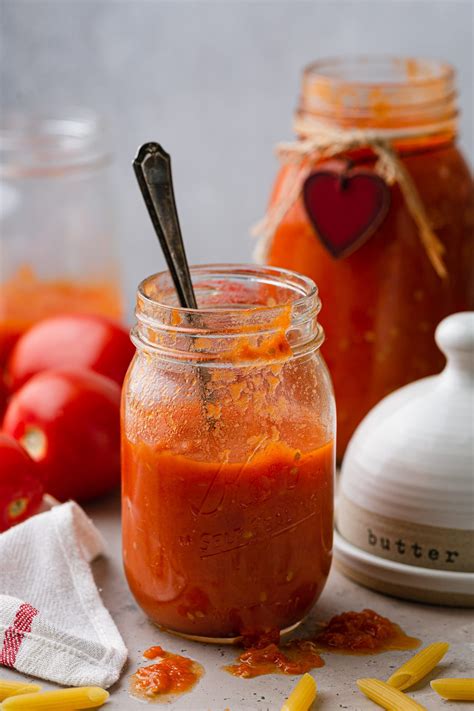
- Homemade Sauce: Cook down chopped tomatoes with herbs, garlic, and onions until thickened. You can leave it chunky or blend it smooth. Once prepared, ladle into freezer-safe containers or bags, or process using approved canning methods for sauces.
- Tomato Paste: This requires significantly more cooking time to reduce the tomatoes to a thick, concentrated paste. Once achieved, it can be frozen in small portions (e.g., ice cube trays) or canned in small jars.
Having homemade sauce or paste on hand saves time and adds a superior depth of flavor to your winter cooking.
Tips for Maximizing Your Harvest
No matter which preservation method you choose, a few general tips can help ensure success:
- Use Ripe, Healthy Tomatoes: Select firm, blemish-free tomatoes at their peak ripeness for the best flavor and preservation quality.
- Work Cleanly: Always sanitize your equipment and work surfaces, especially for canning, to prevent spoilage.
- Label and Date: Clearly label all preserved items with the contents and date to keep track of your stock and ensure freshness.
Embracing these simple preservation techniques allows you to extend the joy of your summer garden far beyond the growing season. Your winter meals will thank you for the taste of sun-ripened tomatoes, even when snow is on the ground.