


How to involve kids in garden harvest & scratch cooking for family meals?
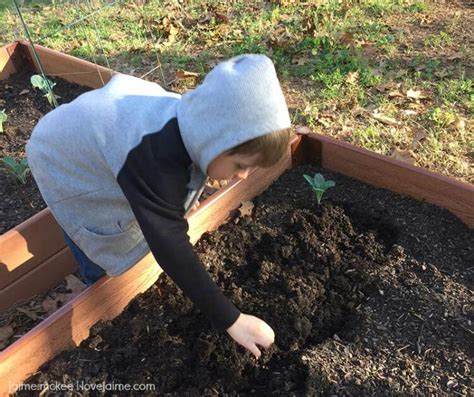
In an increasingly disconnected world, involving children in the journey of food—from seed to plate—offers a powerful way to teach valuable life skills, encourage healthy eating, and strengthen family bonds. Turning your garden harvest into scratch-cooked family meals is not just about nutrition; it’s about creating lasting memories and instilling a love for wholesome food.
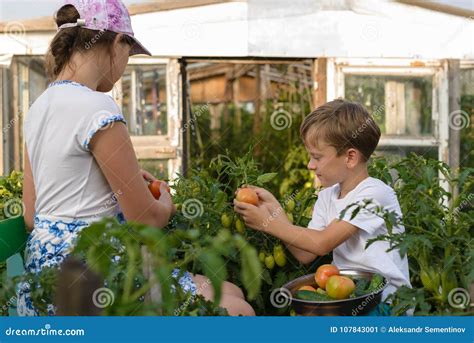
Connecting with Nature: The Garden Harvest
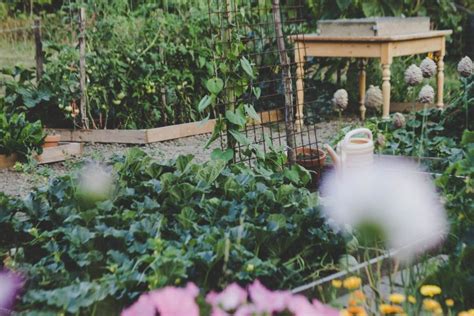
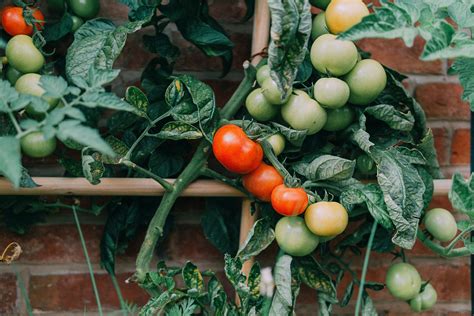
The garden is a magical place for children, full of discovery and wonder. Involving them in the harvest makes the food real and tangible. Start by giving them age-appropriate tasks. Younger children can help pick larger, easily identifiable items like zucchinis, pumpkins, or cherry tomatoes, while older kids can use child-safe scissors to snip herbs or carefully pull root vegetables.
Make it an adventure! Talk about what you’re harvesting, where it comes from, and how it grows. Let them get their hands dirty, feel the textures, and smell the fresh earth. Emphasize patience and care for the plants. A child who has nurtured a plant from a tiny seedling to a bountiful harvest is far more likely to try—and enjoy—the fruits (and vegetables!) of their labor.
Transitioning to the Kitchen: Preparing the Bounty
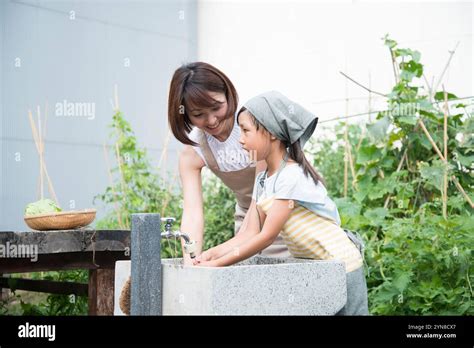
Once the harvest basket is full, the journey continues in the kitchen. This is where the magic of transformation happens. Turn washing vegetables into a fun sensory activity. Kids love playing with water, so let them scrub potatoes, rinse leafy greens, or help clean berries. Teach them about proper hygiene, like washing hands before handling food.
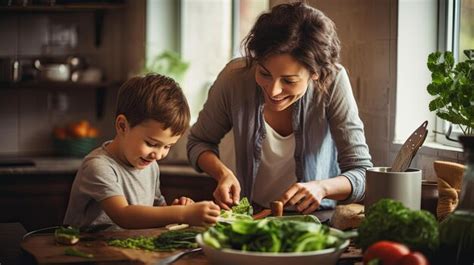
Introduce basic knife safety with kid-friendly tools. Many companies offer nylon knives that can cut soft vegetables and fruits without posing a significant risk. Even very young children can help tear lettuce, snap green beans, or shell peas. Older children can learn to peel vegetables with a peeler or practice more precise cutting under supervision.
Scratch Cooking Adventures: Easy Family Meals
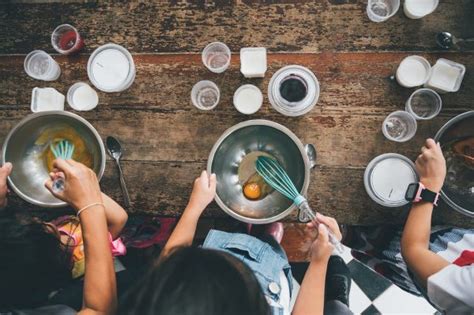
Scratch cooking doesn’t have to be complicated. The goal is to involve kids in the process of creating meals from fresh ingredients. Start with simple recipes that highlight your garden’s produce. Here are some ideas for age-appropriate tasks:
- Toddlers (1-3 years): Stirring ingredients in a bowl, washing produce, tearing lettuce, mashing soft fruits/vegetables.
- Preschoolers (4-6 years): Measuring ingredients, pouring liquids, spreading sauces, kneading dough, setting the table.
- School-aged (7-12 years): Chopping soft vegetables with supervision, grating cheese, cracking eggs, reading recipes, helping with baking.
- Teens (13+ years): Taking lead on simple recipes, using kitchen appliances, planning meals, developing their own recipes.
Consider dishes like homemade pizzas topped with garden tomatoes and herbs, fresh pasta salads with cucumber and bell peppers, vegetable frittatas with eggs from local farms, or simple stir-fries bursting with seasonal goodness. The more they participate, the more invested they’ll be in trying new foods and appreciating the effort that goes into a meal.
Beyond the Plate: Life Skills and Family Bonds
The benefits of involving kids in garden harvest and scratch cooking extend far beyond the dinner table. It’s a holistic learning experience that teaches them:
- Where food comes from: Understanding the origins of food fosters appreciation and reduces waste.
- Nutrition knowledge: Hands-on experience helps them connect fresh ingredients to healthy eating habits.
- Patience and responsibility: From waiting for a seed to sprout to carefully measuring ingredients, kids learn patience and the importance of following steps.
- Fine motor skills and coordination: Chopping, stirring, and peeling all contribute to physical development.
- Math and science: Measuring, counting, and observing chemical reactions (like baking soda reacting with acid) are practical applications of STEM.
- Teamwork and communication: Working together in the garden and kitchen builds cooperation and strengthens family relationships.
- Creativity and confidence: Experimenting with flavors and seeing their contributions come to life boosts self-esteem.

Embrace the mess, celebrate the small victories, and focus on the joy of creating something together. You’re not just making meals; you’re cultivating healthy habits, vital life skills, and cherished family memories that will last a lifetime.