


Best methods for preserving a glut of summer tomatoes & herbs?
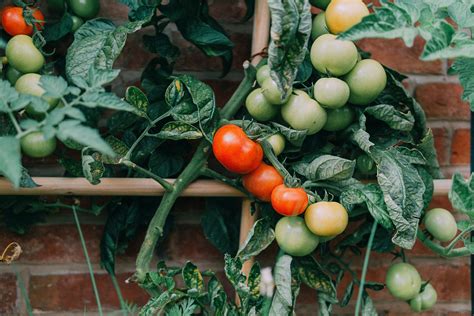
The peak of summer brings with it an unparalleled bounty from gardens and farmers’ markets: vibrant, juicy tomatoes and fragrant, flourishing herbs. While the immediate delight of fresh produce is undeniable, knowing how to preserve this seasonal glut means you can capture that sun-kised flavor and enjoy it long after summer fades. From simple freezing techniques to more involved canning, here are the best methods to ensure your summer’s abundance sustains you through the colder months.
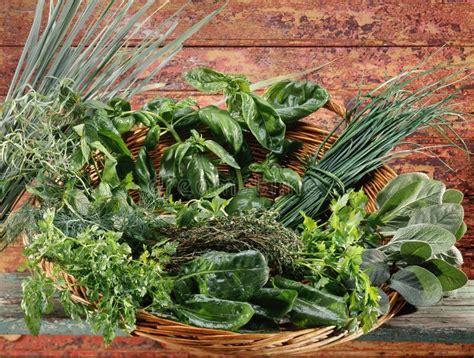
Preserving Your Tomato Harvest
Tomatoes are incredibly versatile and can be preserved in numerous ways, each offering a different culinary application.
Freezing Tomatoes: Simple and Effective
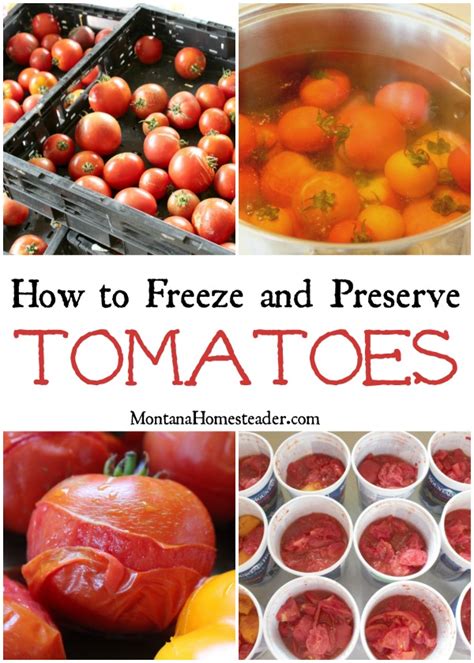
Freezing is arguably the easiest method for preserving tomatoes, requiring minimal effort. For whole or halved tomatoes, simply wash, core, and place them on a baking sheet in a single layer until frozen solid. Transfer to freezer bags. The skins will slip off easily once thawed. For purees or crushed tomatoes, simply process them and freeze in freezer-safe containers or bags. This method is perfect for soups, stews, and sauces.
Canning Tomatoes: A Classic Approach
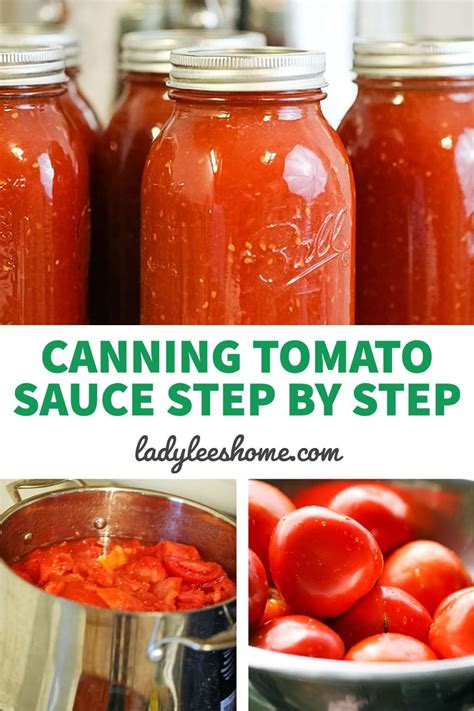
Canning offers shelf-stable preservation, ideal for diced tomatoes, crushed tomatoes, or homemade tomato sauce. This method requires proper sterilization and often the addition of acidity (lemon juice or citric acid) to ensure safety. While more time-intensive initially, a pantry stocked with home-canned tomatoes is a true treasure. Always follow tested recipes from reputable sources like the National Center for Home Food Preservation.
Dehydrating Tomatoes: Intense Flavor
For a concentrated burst of flavor, dehydrating tomatoes (either in a dehydrator or a low oven) transforms them into delicious “sun-dried” tomatoes. Slice ripe tomatoes thinly, arrange them on dehydrator trays or parchment-lined baking sheets, and dry until leathery but still pliable. Store them in airtight containers, optionally submerged in olive oil, for use in salads, pasta, and appetizers.
Making the Most of Fresh Herbs
Herbs lose their vibrancy quickly, but several methods can extend their life and flavor.
Freezing Herbs: Quick Flavor Preservation
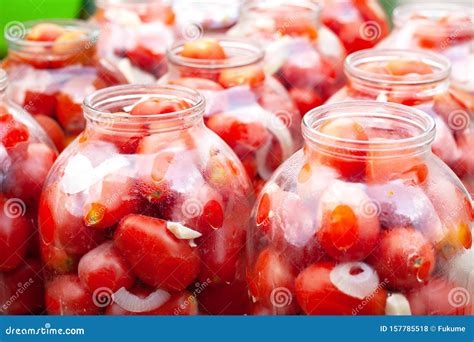
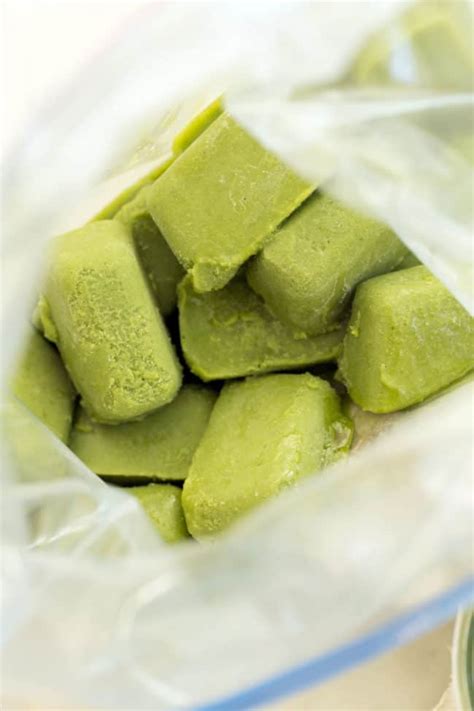
One of the best ways to preserve the fresh taste of herbs is by freezing them. Chop tender herbs like basil, parsley, cilantro, or chives and pack them into ice cube trays. Cover with water or olive oil and freeze. Once solid, transfer the herb cubes to freezer bags. These cubes are perfect for dropping directly into hot dishes like soups, sauces, or stir-fries.
Drying Herbs: Aromatic and Long-Lasting
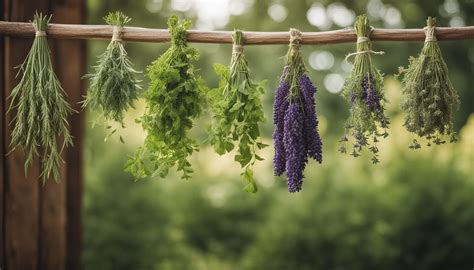
Hardier herbs like rosemary, thyme, oregano, and sage are excellent candidates for drying. You can air-dry them by tying small bundles and hanging them in a warm, well-ventilated area away from direct sunlight. Alternatively, use a dehydrator or a very low oven setting. Once brittle, crumble them and store in airtight jars away from light and heat. Dried herbs provide a concentrated flavor for cooking and seasoning.
Infused Oils and Vinegars
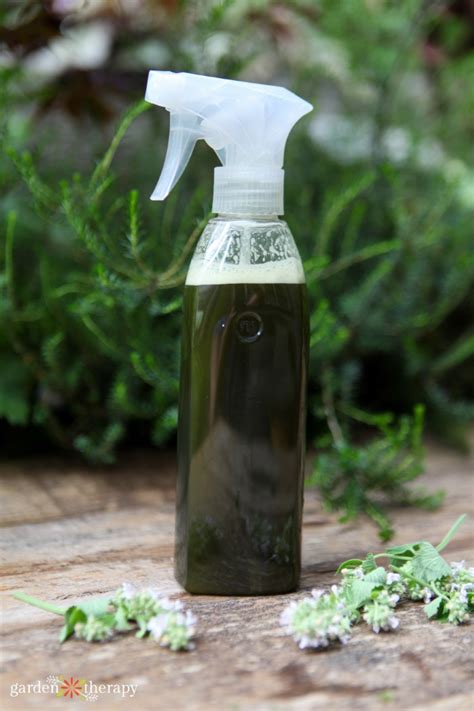
While not a long-term preservation for the herbs themselves, infusing oils or vinegars with fresh herbs can capture their essence for weeks or months. Use herbs like rosemary, thyme, or oregano for savory oils, or basil and mint for vinegars. Ensure all herbs are thoroughly clean and dry to prevent spoilage, and store infused products in a cool, dark place.
Creative Combinations and Recipes
Don’t limit yourself to single ingredients. Combine your harvest for ready-to-use bases!
- Pesto: Blend fresh basil (and other herbs like parsley or arugula), garlic, pine nuts (or walnuts), Parmesan cheese, and olive oil. Freeze pesto in ice cube trays or small containers for individual servings, perfect for pasta, sandwiches, or pizzas.
- Tomato Passata/Sauce: Cook down a large batch of tomatoes with herbs like basil and oregano, then strain or blend into a smooth sauce. This can be canned or frozen in portions.
- Herb Butters: Finely chop your favorite herbs and mix them into softened butter. Roll into a log, wrap in parchment paper, and freeze. Slice off medallions as needed to finish steaks, vegetables, or spread on warm bread.
Tips for Successful Preservation
- Start with Quality: Always use the freshest, ripest, and unblemished produce for the best results.
- Cleanliness is Key: Ensure all produce, equipment, and hands are thoroughly clean to prevent contamination.
- Label and Date: Clearly label all preserved items with their contents and the date of preservation. This prevents guesswork and ensures you use older items first.
- Proper Storage: Store canned goods in a cool, dark pantry. Frozen items should be kept at a consistent 0°F (-18°C). Dried herbs and tomatoes need airtight containers away from heat and light.

Preserving your summer’s bounty of tomatoes and herbs is a rewarding endeavor that connects you more deeply with your food and the seasons. With a little effort, you can enjoy the concentrated flavors of summer sunshine throughout the entire year, bringing a taste of your garden to every meal.