


How to make garden-fresh real food appealing to picky family eaters?

Bringing the bounty of your garden to the dinner table is one of life’s simple pleasures, offering unparalleled freshness and nutrition. However, this joy can quickly turn into a mealtime battleground when faced with picky family eaters who view anything green (or orange, or purple) with deep suspicion. The good news is that with a bit of creativity, patience, and strategic planning, you can transform those garden jewels into dishes even the most discerning palates will crave.
Involve Them from Seed to Plate
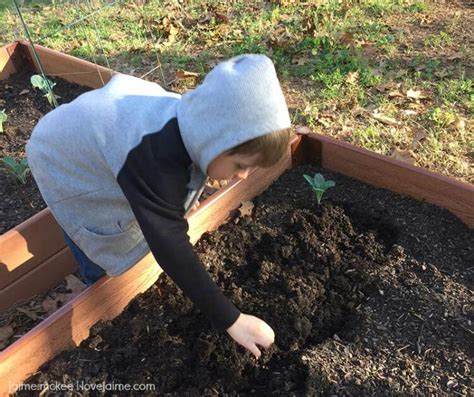
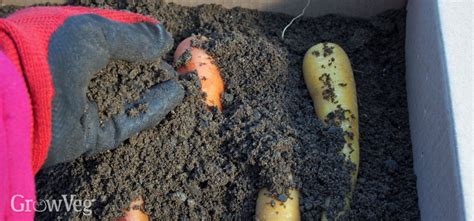
One of the most effective strategies for encouraging children and even hesitant adults to try new foods is to involve them in the entire process. When they have a hand in growing the food, they develop a sense of ownership and curiosity. Let them help plant seeds, water the garden, and harvest ripe vegetables. The pride they feel in their “crop” often translates into a willingness to taste the fruits (and vegetables) of their labor.

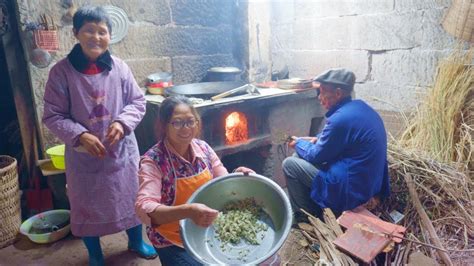
Even if you don’t have a full garden, involve them in choosing produce at a farmer’s market or even just washing and prepping vegetables in the kitchen. Simple tasks like snapping green beans or tearing lettuce can make them more invested in the meal.
Creative Culinary Camouflage and Fun Presentations
Sometimes, the key to winning over a picky eater is to be a bit sneaky. Pureeing vegetables into sauces, soups, or smoothies can be a fantastic way to boost nutrient intake without them even noticing. Spinach can disappear into a fruit smoothie, carrots can be blended into pasta sauce, and zucchini can be grated into muffins or bread.

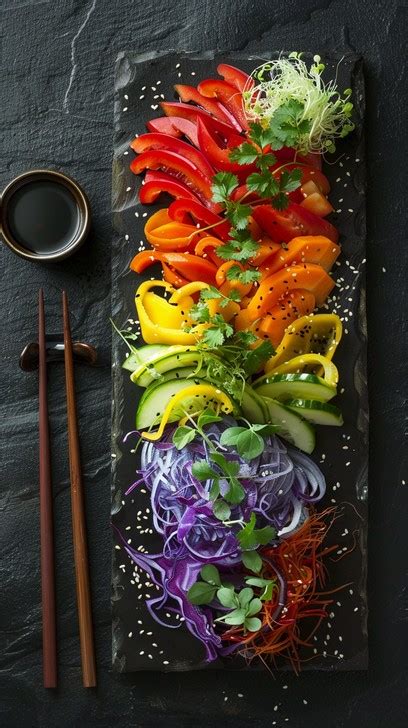
Beyond hiding, make food fun and appealing to the eye. Cut vegetables into interesting shapes using cookie cutters. Arrange colorful produce into faces or patterns on a plate. Offer a “rainbow plate” with a variety of vibrant vegetables. Kids are often more willing to try food that looks inviting and playful.
- Sneaky Swaps: Replace a portion of flour in baked goods with grated zucchini or pureed sweet potato.
- Sauce Secrets: Blend steamed cauliflower into cheese sauce for mac and cheese, or pureed pumpkin into chili.
- Fun Shapes: Use mini cookie cutters for cucumber slices, bell pepper stars, or carrot coins.
Dips, Dippers, and Deconstructed Meals
Picky eaters often love to dip! Provide a variety of healthy dips alongside raw or lightly steamed vegetables. Hummus, guacamole, yogurt-based dips, and even a simple vinaigrette can transform a plain vegetable stick into an exciting snack. The act of dipping gives them a sense of control and makes eating interactive.
Consider deconstructed meals where family members can build their own plates. A “taco bar” or “pizza night” where everyone chooses their toppings (including lots of fresh garden veggies) empowers them and makes them more likely to eat what they’ve assembled. For salads, offer individual components and let them mix their own.
Patience, Persistence, and Positive Reinforcement
It can take multiple exposures—sometimes 10 to 15 times—for a child (or adult) to accept a new food. Don’t give up after the first refusal. Continue to offer small portions of the challenging food without pressure. Make sure there is always at least one “safe” food on the plate that you know they will eat, so they don’t feel deprived.

Avoid food battles. Pressure, nagging, or bribery can create negative associations with food, making picky eating worse. Instead, focus on creating a positive and relaxed mealtime environment. Celebrate small victories, like taking a tiny bite or even just touching a new vegetable. Lead by example; if you’re enthusiastically enjoying your garden bounty, they are more likely to follow suit.
Lead by Example and Make it a Family Affair
Children are natural imitators. If they see you and other family members regularly enjoying a wide variety of garden-fresh fruits and vegetables, they are more likely to eventually try them too. Make healthy eating a visible and positive part of your family culture. Cook together, eat together, and talk about the delicious flavors and health benefits of the food you’re sharing.

Remember that the goal isn’t just to get them to eat vegetables today, but to foster a lifelong positive relationship with healthy food. By making garden-fresh meals appealing and involving your family in the process, you’re not just feeding them; you’re cultivating healthy habits and creating cherished family memories around the table.