

Best way to preserve summer’s bounty of tomatoes without a canner for homemade sauces?
Harnessing the Summer Sun: Preserving Tomatoes Without a Canner
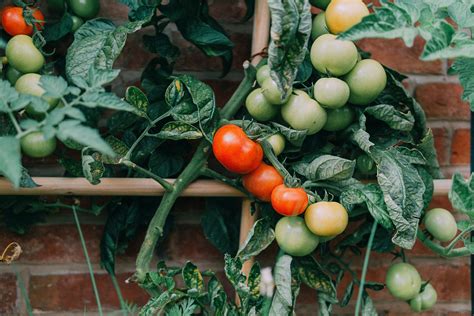
The peak of summer brings an abundant harvest, and for many country dwellers, that means a glorious profusion of ripe, juicy tomatoes. While traditional canning offers a long-term solution, it often requires specialized equipment and a learning curve. Fear not, home cooks! You can absolutely preserve your tomato bounty for rich, homemade sauces all year long without ever touching a pressure canner or water bath. The secret lies in simple, accessible methods that lock in that incredible summer flavor.
The Freezer: Your Best Friend for Tomato Preservation
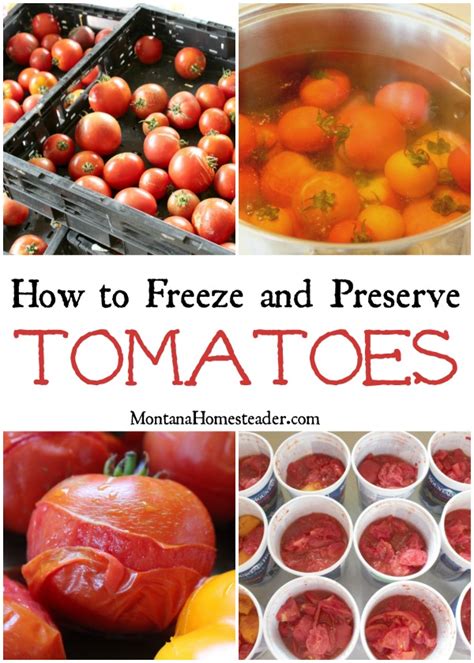
Freezing is arguably the easiest and most versatile method for preserving tomatoes. It requires minimal preparation and no special skills, making it perfect for beginners and seasoned gardeners alike. You can freeze tomatoes whole, chopped, or pureed, depending on how you plan to use them.
Whole Frozen Tomatoes
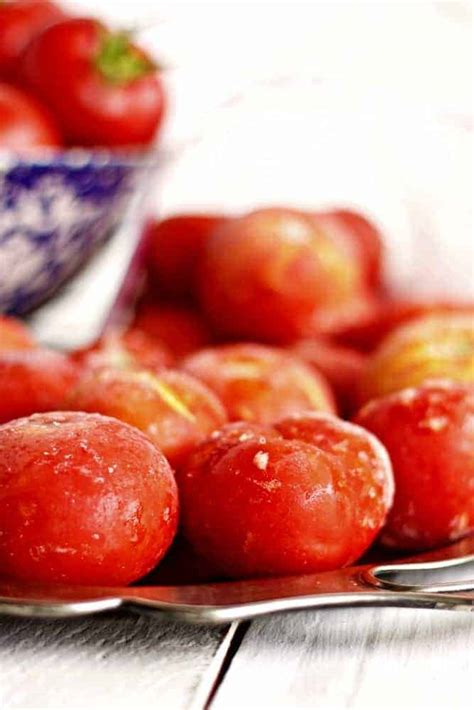
For whole tomatoes, simply wash and dry them thoroughly. Remove the core. Place them in a single layer on a baking sheet to flash freeze for an hour or two until solid. Once frozen, transfer them to freezer-safe bags or containers, removing as much air as possible. When you’re ready to use them, just run them under warm water, and the skins will slip right off, leaving you with a soft, ready-to-use tomato perfect for simmering into sauces or soups.
Crushed or Pureed for Sauce Bases
If you prefer a head start on your sauces, blanch and peel your tomatoes (optional, but recommended for smoother sauces). Then, chop them roughly or blend them into a puree. You can even simmer them down slightly to reduce moisture and intensify flavor before freezing. Portion the crushed tomatoes or puree into freezer-safe containers, ice cube trays (for smaller portions), or freezer bags. Lay bags flat to freeze for easy stacking. Thaw as needed and use as the base for your favorite marinara, pizza sauce, or chili.
Oven-Drying for Concentrated Flavor
Oven-drying, or slow roasting, is another fantastic way to preserve tomatoes and concentrate their sweet, umami flavor. While it doesn’t offer the same shelf stability as traditional canning, oven-dried tomatoes, especially when packed in oil and refrigerated or frozen, provide a phenomenal depth to winter sauces.
Cut ripe tomatoes in half (or quarters for larger varieties) and scoop out the seeds if desired. Arrange them cut-side up on baking sheets lined with parchment paper. Drizzle with olive oil, sprinkle with salt, and optional herbs like oregano or thyme. Bake at a low temperature (around 200-250°F / 95-120°C) for several hours until shriveled and deeply flavored but still pliable. The exact time will depend on your oven and tomato variety.
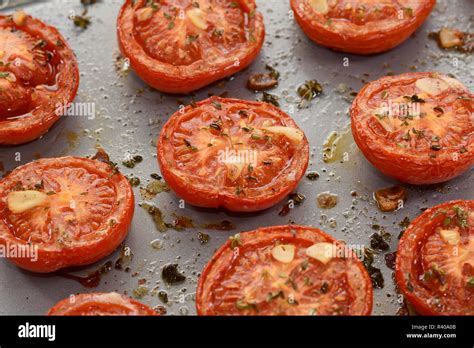
Once cooled, you can store these intensely flavorful tomatoes in an airtight container in the refrigerator for a week or two, or pack them tightly into jars, covering them completely with olive oil (ensure no air bubbles) and refrigerate for up to a month. For longer storage, freeze the oven-dried tomatoes plain or packed in oil.
Fermenting Tomatoes for a Tangy Twist
For those looking for a different flavor profile and an ancient preservation method, lactic acid fermentation offers an exciting option. This method doesn’t require heat and creates a tangy, complex tomato product rich in probiotics. While not typically used for a smooth marinara, fermented tomatoes add incredible depth to salsas, bruschetta, and rustic sauces.
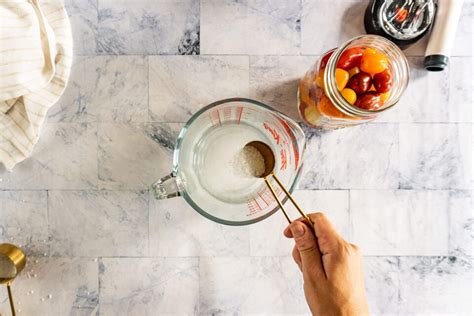
To ferment, chop tomatoes into desired pieces (quarters or halves work well). Place them in a clean glass jar with a small amount of salt (around 1-2% of the tomato weight) and any desired aromatics like garlic, herbs, or chili flakes. Ensure the tomatoes are submerged under their own brine (you might need to add a little non-chlorinated water if not enough liquid forms). Use a fermentation weight or a small bag of water to keep them submerged. Cover with an airlock lid or a loose-fitting lid, and let sit at room temperature for 3-7 days, “burping” daily if using a loose lid. Taste frequently until desired tanginess is achieved. Store finished fermented tomatoes in the refrigerator.
Combining Methods: Freeze Roasted Tomato Sauce
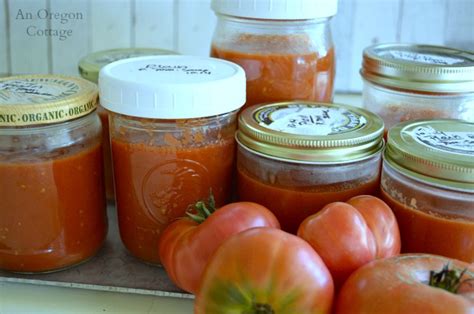
Why choose one when you can combine for maximum flavor and convenience? Roasting tomatoes before freezing them for sauce creates a deeply rich, sweet, and smoky base that will elevate your winter meals. Simply roast chopped tomatoes with garlic, onions, and herbs until caramelized. Blend or crush the roasted mixture, then simmer to your desired consistency. Let it cool completely before portioning into freezer-safe containers or bags. This method means you’ll have delicious, ready-to-go homemade roasted tomato sauce whenever the craving strikes.
Tips for Success and Flavor Maximization
- Choose Peak Ripe Tomatoes: The flavor you put in is the flavor you get out. Use the freshest, ripest tomatoes for the best results.
- Blanching & Peeling: For smoother sauces, blanching tomatoes in boiling water for 30-60 seconds and then shocking them in ice water makes peeling incredibly easy.
- Proper Packaging: Always use freezer-safe bags or containers and remove as much air as possible to prevent freezer burn. Label with the date and contents.
- Ice Cube Trays: For small quantities of puree or roasted tomato paste, freeze in ice cube trays then transfer to a freezer bag. Perfect for adding a burst of flavor to pan sauces or soups.
Embrace the Harvest
Preserving your summer tomato harvest doesn’t have to be daunting or require specialized equipment. With these simple, canner-free methods – freezing, oven-drying, and even fermenting – you can capture the essence of summer and enjoy the incredible taste of homemade tomato sauces long after the last vine has withered. Experiment with different techniques to find what works best for your kitchen and your culinary preferences. Your future self will thank you!