
Simple DIY pantry shelves: Best materials for storing preserves?
Creating your own pantry shelves is a rewarding DIY project that not only enhances your kitchen’s organization but also provides a sturdy home for your cherished homemade preserves. From vibrant jams to pickled vegetables, storing these weighty glass jars requires shelves that are not only robust but also durable enough to withstand the specific conditions of a pantry environment. Choosing the right material is paramount to ensuring your shelves stand the test of time and keep your preserves safe.
Why Build Your Own Pantry Shelves?
DIY pantry shelves offer unparalleled customization, allowing you to tailor dimensions and strength precisely to your needs. Unlike off-the-shelf solutions, you can design them to perfectly fit awkward spaces, accommodate specific jar heights, and, crucially, bear the significant weight of multiple full canning jars without bowing or breaking. This cost-effective approach also empowers you to select materials known for their longevity and resilience, giving you peace of mind that your precious preserves are securely stored.
Key Considerations for Preserve Storage
When selecting materials for shelves intended to hold preserves, several factors come into play:
- Weight Capacity: A single quart jar of preserves can weigh over 2 pounds. A shelf holding dozens quickly adds up, demanding materials with high load-bearing capabilities.
- Moisture Resistance: Pantries can sometimes experience humidity fluctuations, and accidental spills are always a possibility. Materials that resist moisture or are easily sealed against it will prevent warping, mold, and damage.
- Ease of Cleaning: Spills are inevitable. A smooth, non-porous surface that can be wiped clean easily is a significant advantage.
- Stability: Shelves must be level and securely mounted to prevent jars from wobbling or tipping, which could lead to dangerous breakage.
Best Materials for Your DIY Pantry Shelves
Solid Wood: The Timeless Choice
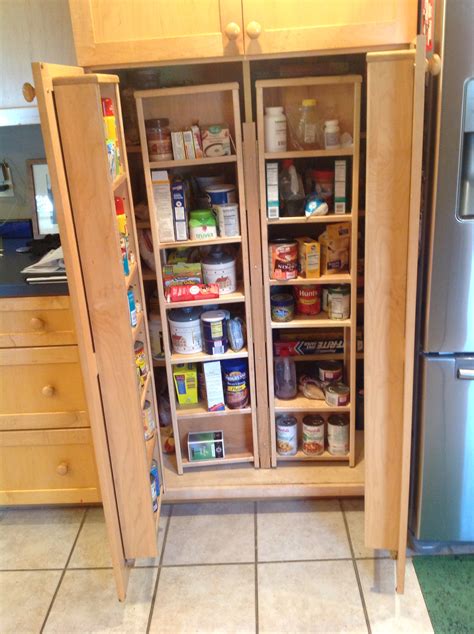
Solid wood, such as pine, oak, or maple, is a classic and robust option. Its natural strength makes it excellent for heavy loads. Pine is more affordable and easier to work with, while oak and maple offer superior durability and resistance to dents. Regardless of the type, solid wood shelves should be sealed with a food-safe polyurethane or varnish to protect against moisture and make them easier to clean. Ensure boards are at least ¾-inch thick for adequate support.
Plywood or MDF with Laminate: Practical and Smooth
High-quality plywood (¾-inch thick, cabinet grade) or MDF (medium-density fiberboard) offers a smooth, stable surface. When covered with a laminate, veneer, or good quality paint, these materials become more moisture-resistant and very easy to clean. They are generally more cost-effective than solid hardwoods and offer consistent thickness. While strong, ensure adequate support spacing to prevent sagging, especially with MDF which can be less rigid than plywood over long spans.
Wire Shelving: Airflow and Visibility
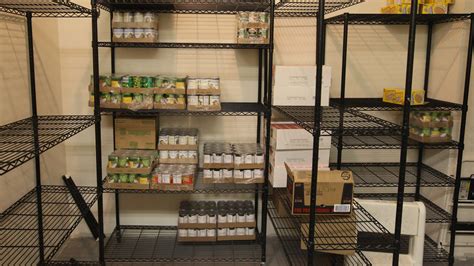
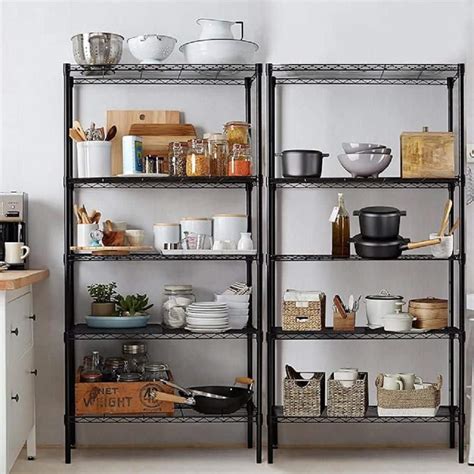
While often associated with lighter storage, heavy-duty wire shelving units made of coated steel can be surprisingly strong. Their open design promotes airflow, which can be beneficial in some pantry environments, and offers excellent visibility of stored items. However, individual jars might be less stable on the wire grid, potentially requiring shelf liners to create a flat surface and prevent tipping. Always check the weight rating for wire units before committing to heavy preserve storage.
Metal Shelving: Industrial Strength
For ultimate strength and durability, especially in a high-volume canning household, consider freestanding metal shelving units (often chrome-plated steel or aluminum). These are designed for heavy loads, are highly resistant to moisture, and are incredibly easy to clean. While they might offer a more industrial aesthetic, their performance for storing heavy preserves is unmatched. They are often adjustable, allowing for flexible spacing.
Essential Tips for Building and Organizing
- Reinforce Properly: Use strong brackets, cleats, or dado joints to securely attach shelves to wall studs. For very heavy loads, consider adding vertical supports.
- Optimal Depth: A shelf depth of 10-14 inches is typically ideal for most canning jars, allowing for two rows deep without wasting space.
- Adjustable Spacing: Design your shelves to be adjustable if possible. This allows you to accommodate different jar heights and future storage needs.
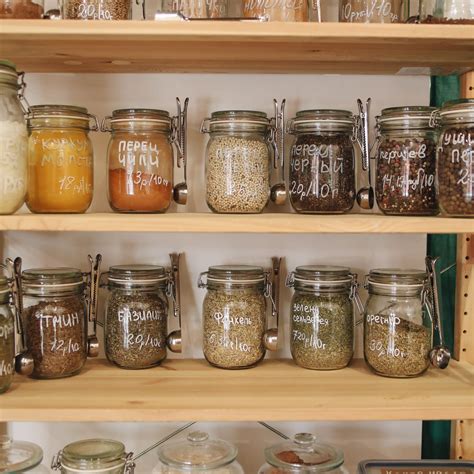
- Label Everything: Once your shelves are built, labeling your jars or sections of your pantry will make finding what you need a breeze.
Building your own pantry shelves for preserves is a project that pays dividends in organization, accessibility, and peace of mind. By carefully considering the materials and following sound construction principles, you can create a storage system that not only showcases your delicious homemade creations but also ensures they are kept safe and sound for years to come.