

Natural pest control: How do I make and use effective garlic spray for garden edibles?

Embracing Natural Pest Control for Your Edibles
For gardeners dedicated to organic practices, chemical pesticides are a no-go, especially when it comes to edibles. Fortunately, nature offers powerful alternatives. Garlic, a staple in many kitchens, also serves as an excellent natural deterrent against a variety of garden pests. Its potent sulfur compounds act as both a repellent and an antifeedant, making it a safe and effective option for protecting your fruits, vegetables, and herbs.
Why Garlic Spray Works
Garlic’s effectiveness as a pest control agent lies primarily in its active compound, allicin, and other sulfur-containing substances. These compounds are responsible for garlic’s characteristic pungent odor, which pests find highly unappealing. When applied to plants, garlic spray can deter insects like aphids, spider mites, whiteflies, cabbage loopers, and even some nematodes by making the plants undesirable to them. It doesn’t typically kill beneficial insects but rather encourages pests to seek food elsewhere, maintaining a healthier ecosystem in your garden.
Making Your Garlic Spray: A Step-by-Step Guide
Creating your own garlic spray is simple and requires only a few common household items. Here’s what you’ll need and how to do it:
Ingredients:
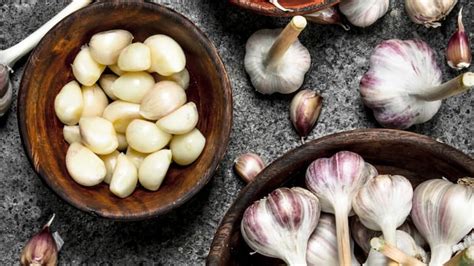
- 6-8 large cloves of garlic
- 1 quart (about 1 liter) of water
- 1 teaspoon of liquid dish soap (mild, biodegradable, and free of degreasers/perfumes is best)
Instructions:
- Prepare the Garlic: Peel the garlic cloves. You can roughly chop them to help release their compounds more easily.
- Blend: Place the chopped garlic into a blender with about 1 cup of the water. Blend until you have a fine paste.
- Steep: Pour the garlic paste into a jar or bowl and add the remaining 3 cups of water. Cover and let it steep for at least 12-24 hours. The longer it steeps, the stronger the solution will be.
- Strain: After steeping, strain the garlic mixture through a fine-mesh sieve, cheesecloth, or an old clean nylon stocking to remove all solids. This step is crucial to prevent clogging your sprayer.
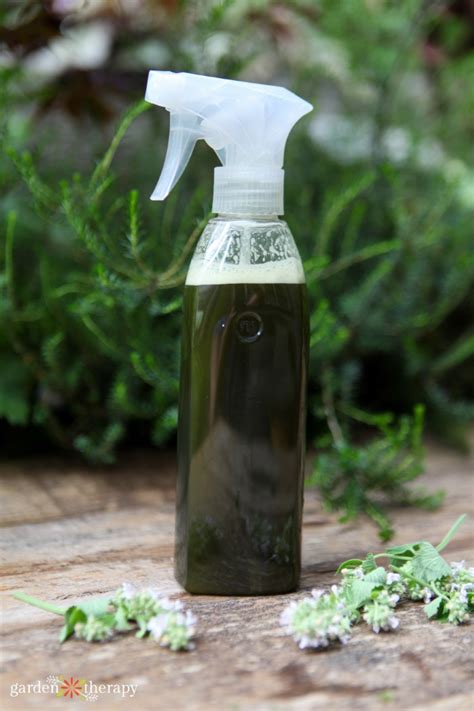
- Add Soap: Pour the strained liquid into a clean spray bottle. Add 1 teaspoon of liquid dish soap. The soap acts as a surfactant, helping the spray adhere to plant leaves and pests more effectively.
- Dilute (Optional but Recommended): For general use, dilute this concentrate with an equal amount of water (e.g., 1 part garlic concentrate to 1 part water). For severe infestations, you might use it undiluted, but always test on a small area first.
How to Use Garlic Spray for Best Results
Effective application is key to maximizing the benefits of your homemade garlic spray:
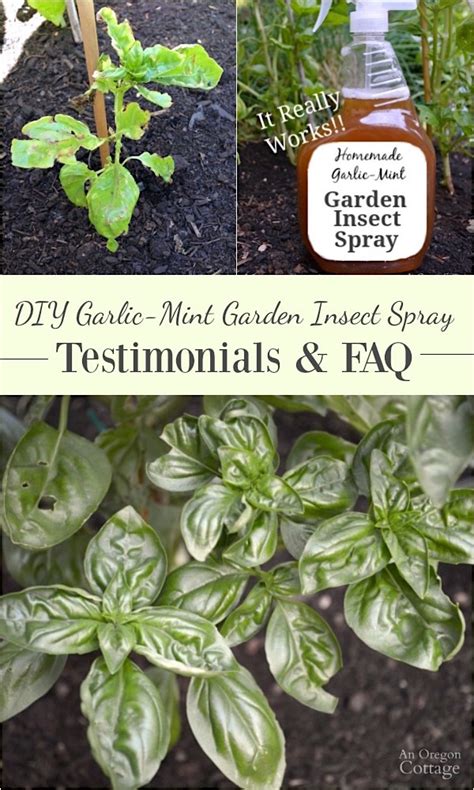
- Target Pests: Garlic spray is most effective against soft-bodied insects like aphids, spider mites, whiteflies, cabbage worms, and squash bugs. It can also deter deer and rabbits due to its strong smell.
- Application Time: Apply the spray in the early morning or late evening when the sun is not intense. Spraying in direct sunlight can cause leaf burn, especially with the soap content.
- Thorough Coverage: Liberally spray all affected plant parts, including the undersides of leaves, where many pests like to hide. Ensure the leaves are thoroughly coated.
- Frequency: Reapply every 3-5 days, especially after rain, or until the pest problem subsides. Regular application is crucial for ongoing protection.
- Test First: Always test the spray on a small, inconspicuous part of the plant a day or two before full application to ensure there are no adverse reactions (like leaf burn). Different plants can have varying sensitivities.
Tips for Success and Safety
- Storage: Store any leftover concentrate in a sealed container in the refrigerator for up to 1-2 weeks. The fresh, diluted spray should be used within a few days.
- Don’t Overdo It: While natural, excessive application can sometimes stress plants. Stick to the recommended dilution and frequency.
- Rotate Methods: For persistent pests, consider rotating garlic spray with other natural pest control methods, such as neem oil, insecticidal soap (without garlic), or beneficial insects.
- Observe: Keep a close eye on your plants after application. Note the pest activity and plant health to adjust your strategy as needed.
Pros and Cons of Garlic Spray
Pros:
- Safe for Edibles: It’s non-toxic to humans and pets, making it ideal for garden edibles. Always wash produce before consumption.
- Cost-Effective: Made from inexpensive, readily available ingredients.
- Environmentally Friendly: Biodegradable and doesn’t harm beneficial insects or pollinators when used correctly (e.g., avoiding direct spray on pollinators).
- Broad Spectrum Repellent: Deters a wide range of common garden pests.
Cons:
- Requires Frequent Reapplication: It washes off easily with rain or watering and its efficacy diminishes over time.
- Odor: While harmless, the strong garlic smell can be noticeable in the garden for a short period.
- Not a Killer: Primarily a repellent, it won’t instantly kill established infestations but rather encourages pests to leave.
- Potential for Leaf Burn: If applied incorrectly (in strong sun or at too high a concentration), it can cause damage to sensitive plants.

Conclusion
Integrating homemade garlic spray into your natural pest control routine is an effective, eco-friendly, and economical way to protect your garden edibles. By understanding its benefits and proper application techniques, you can cultivate a thriving, pest-resistant garden without resorting to harsh chemicals. Give it a try and watch your organic garden flourish!