

Best way to preserve garden tomatoes for winter sauces without freezing?
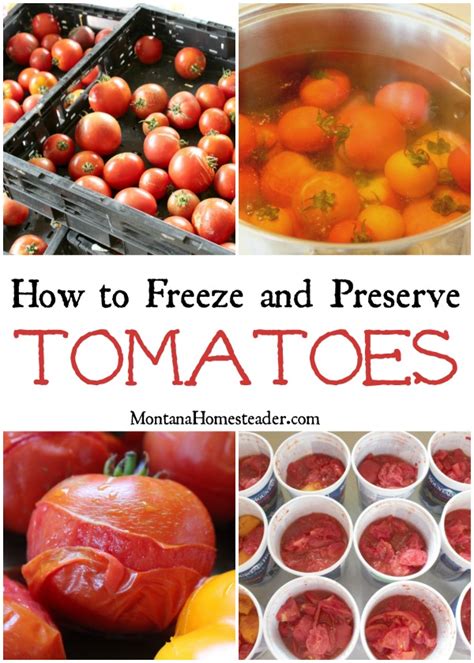
The bounty of a summer garden’s tomato harvest is a joyous sight, but with it comes the challenge of preserving that sun-kissed flavor for the colder months. While freezing is a popular option, it’s not the only, or even always the best, way to store your tomatoes, especially when aiming for rich, ready-to-use winter sauces. This guide explores several tried-and-true methods to keep your garden’s goodness without ever needing freezer space, ensuring every spoonful of sauce transports you back to peak summer.
Canning: The Gold Standard for Sauce Bases
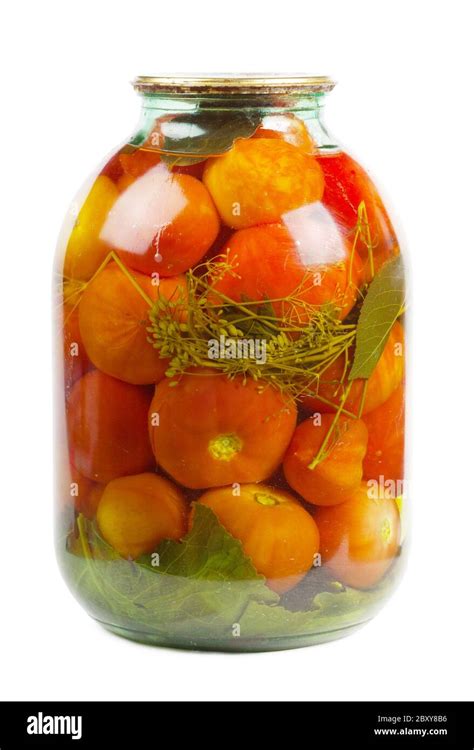
Canning is arguably the most common and effective non-freezing method for preserving tomatoes for sauces. It provides shelf-stable jars of tomatoes that are ready to be transformed into pasta sauce, pizza topping, or a base for stews and chilis. You can can whole peeled tomatoes, crushed tomatoes, diced tomatoes, or a smooth passata, depending on your preferred starting point for winter cooking.
A crucial aspect of canning tomatoes is ensuring proper acidity. Tomatoes, especially many modern varieties, are borderline low-acid. To ensure safety from botulism spores in a water bath canner, you must add acid. This can be in the form of bottled lemon juice (2 tablespoons per quart jar, 1 tablespoon per pint) or citric acid (1/2 teaspoon per quart, 1/4 teaspoon per pint). This small addition will not significantly alter the flavor of your finished sauces.
Once acidified, tomatoes are typically processed in a boiling water bath canner. This method ensures all air is removed from the jar, creating a vacuum seal and sterilizing the contents. The result is a pantry full of summer’s finest, waiting patiently for its moment to shine in a hearty winter dish.

Dehydrating: Concentrated Flavor and Versatility
Dehydrating tomatoes concentrates their natural sugars and flavors, resulting in intensely savory and chewy sun-dried tomatoes that are surprisingly versatile for sauces. This method requires minimal storage space once the tomatoes are dried, making it an excellent choice for those with limited pantry room.
To dehydrate, slice ripe tomatoes (Roma or paste tomatoes work particularly well due to their lower water content) into 1/4 to 1/2-inch thick pieces. You can use a food dehydrator, a very low oven setting (around 150-200°F or 65-93°C with the door slightly ajar), or even actual sun drying in hot, dry climates. The process can take anywhere from 8 hours to several days, depending on the method and humidity.
Once completely dry and leathery, store them in airtight containers. For sauces, you can rehydrate them in warm water or broth for about 30 minutes, then chop and add to your recipe. Alternatively, grind the dried tomatoes into a powder to create a potent umami-rich seasoning that can be stirred directly into sauces for an instant flavor boost.
Roasting and Packing in Oil: Richness and Depth
Roasting tomatoes before preserving them adds a depth of flavor that is simply unparalleled. The high heat caramelizes their sugars, creating a sweet, smoky, and slightly tangy profile. While roasted tomatoes are often frozen, they can also be safely canned for shelf-stable storage, provided proper acidification.
Halve or quarter your tomatoes, toss with a little olive oil, salt, pepper, and herbs like oregano or thyme. Roast at a moderate temperature (around 375°F or 190°C) until tender and slightly shriveled, about 45-60 minutes. Once roasted, pack them into clean canning jars, adding a bit of the roasting juices if desired.
For safe, shelf-stable preservation, you must treat these roasted tomatoes like any other canned tomato. Add bottled lemon juice or citric acid to each jar (2 tbsp lemon juice or 1/2 tsp citric acid per quart), then top with boiling water or hot broth to fill the jar. Process in a boiling water bath canner for the recommended time for your jar size and altitude. While you can pack roasted tomatoes in olive oil, for shelf stability without refrigeration, this method requires specific pressure canning protocols that are more complex due to the oil. For simplicity and safety, canning in an acidic liquid is recommended for water bath canning.
Making Your Own Tomato Paste
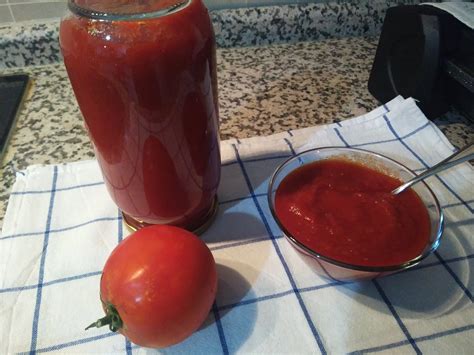
Homemade tomato paste is another exceptional way to preserve your tomato harvest without freezing, offering an intense flavor enhancer for all your winter sauces. Unlike commercial pastes, homemade versions often retain a brighter, fresher tomato taste.
To make paste, slowly cook down a large quantity of puréed tomatoes until most of the water has evaporated and you’re left with a thick, concentrated consistency. This reduction process can take several hours, sometimes even on the stovetop or in the oven at a low temperature. The key is patience, stirring frequently to prevent scorching, until it reaches a deep red hue and a very thick, spreadable texture.
Once you have your rich paste, it can be preserved by canning in small jars. Pack the hot paste into half-pint or pint jars, ensuring there are no air bubbles, and leave appropriate headspace. Add the required lemon juice or citric acid for safety, and process in a boiling water bath canner. Small jars are perfect for single-use additions to winter recipes, providing a powerful punch of tomato flavor.
Tips for Success and Flavor Enhancement
- Choose Wisely: Always start with ripe, unblemished tomatoes.
- Skin and Seed (Optional): For smoother sauces, blanch and peel your tomatoes, and remove seeds before processing. This reduces bitterness and improves texture.
- Add Aromatics: Incorporate fresh basil, oregano, garlic, or a pinch of red pepper flakes during the cooking or canning process to infuse deeper flavors right from the start.
- Sanitation is Key: Ensure all jars, lids, and equipment are sterilized to prevent spoilage and ensure a good seal.
By employing these non-freezing preservation methods, you can enjoy the vibrant taste of your garden tomatoes throughout the darkest winter months. Whether you opt for the convenience of canned tomatoes, the intense flavor of dehydrated slices, the richness of roasted tomatoes, or the concentrated power of homemade paste, your winter sauces will be brimming with the authentic taste of summer.