


Best natural spray for protecting edible garden plants from pests?
The Quest for Chemical-Free Pest Control in Your Edible Garden
For home gardeners, there’s immense satisfaction in harvesting fresh, homegrown produce. However, this joy often comes with the challenge of warding off unwelcome insect guests. Pests can quickly decimate a promising crop, leaving gardeners frustrated. While conventional pesticides offer a quick fix, they pose significant concerns, especially when applied to plants destined for our plates. The good news is that a variety of natural, safe, and effective sprays can protect your edible garden without compromising your health or the environment.

Why Natural Sprays are Essential for Edible Plants
When it comes to the food we eat, minimizing exposure to synthetic chemicals is a top priority for many. Natural pest control methods offer a compelling alternative by utilizing compounds derived from plants, minerals, or other organic sources. These sprays typically break down quickly, leaving no harmful residues on your fruits, vegetables, or herbs. Furthermore, they are often less harmful to beneficial insects like bees and ladybugs, which are crucial for a healthy garden ecosystem.
Choosing natural solutions also promotes a more sustainable gardening practice, fostering biodiversity and reducing your garden’s overall environmental footprint. It’s about creating a harmonious balance where plants thrive, and pests are managed rather than eradicated indiscriminately.
Top Natural Sprays and How to Prepare Them
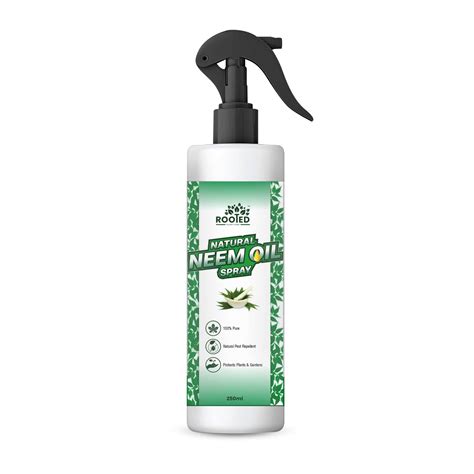
1. Neem Oil Spray: The All-Rounder
Derived from the seeds of the neem tree, neem oil is a powerful natural insecticide, fungicide, and miticide. It works by disrupting the feeding and breeding cycles of many common garden pests without harming beneficial insects or mammals. It’s effective against aphids, spider mites, whiteflies, mealybugs, and more.
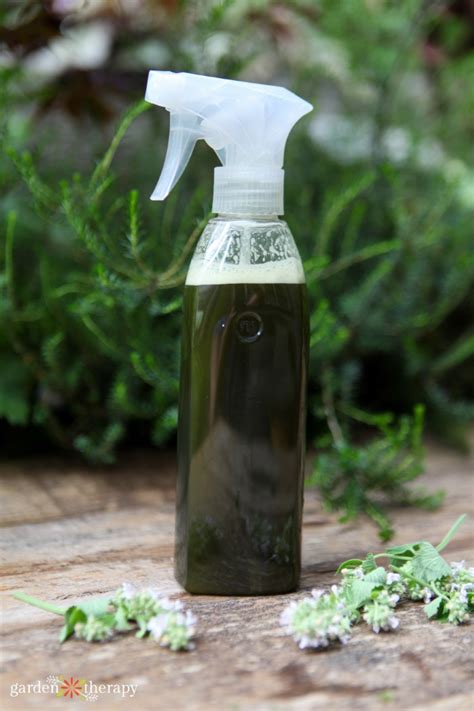
Preparation: Mix 1-2 tablespoons of cold-pressed neem oil with 1 teaspoon of mild liquid soap (e.g., Castile soap) in 1 gallon of warm water. The soap acts as an emulsifier, helping the oil mix with water.
2. Insecticidal Soap Spray: Simple and Effective
This is one of the easiest and safest natural pest controls. Soapy water works by dissolving the waxy outer layer of soft-bodied insects, causing dehydration. It’s particularly effective against aphids, thrips, spider mites, and whiteflies.
Preparation: Mix 1-2 tablespoons of mild liquid dish soap (avoid detergents with degreasers or additives) with 1 gallon of water. For best results, use distilled or filtered water if your tap water is very hard.
3. Garlic and Chili Pepper Spray: A Potent Repellent
Garlic’s strong aroma and chili peppers’ capsaicin content are excellent deterrents for many pests. This spray doesn’t typically kill insects but makes your plants unappealing for them to feed on.
Preparation: Blend 1 whole head of garlic (peeled) and 2-3 hot chili peppers (e.g., habaneros or jalapeños) with 1 quart of water until smooth. Let it sit overnight, then strain the mixture through cheesecloth. Dilute the concentrate by mixing 1 part concentrate with 10 parts water, and add 1 teaspoon of mild liquid soap as an adherent.
Application Techniques and Best Practices
Effective application is key to the success of any pest spray, natural or otherwise. Always perform a small patch test on a few leaves before spraying the entire plant, especially with new recipes, to ensure there’s no adverse reaction.
- Timing is Crucial: Apply sprays in the early morning or late evening when temperatures are cooler and beneficial insects like bees are less active. Avoid spraying in direct sunlight, which can cause leaf burn.
- Thorough Coverage: Pests often hide on the undersides of leaves. Ensure you spray all parts of the plant, including stems and both sides of the foliage.
- Consistency: Natural sprays may require more frequent application than synthetic ones. Reapply every 5-7 days, especially after rain, until the pest problem is under control.
- Integrated Approach: Combine sprays with other organic pest management strategies such as hand-picking visible pests, encouraging beneficial insects, companion planting, and crop rotation for a truly resilient garden.

Cultivating a Resilient, Pest-Free Edible Garden
Protecting your edible garden plants from pests using natural sprays is a rewarding approach that aligns with sustainable living and healthier eating. While it requires vigilance and consistency, the peace of mind knowing your food is free from harmful residues is invaluable. By understanding the options available and applying them wisely, you can enjoy a bountiful harvest year after year, knowing you’ve nurtured your plants and the environment responsibly.