



What’s the best way to preserve excess garden tomatoes naturally?

There’s nothing quite like the flavor of sun-ripened tomatoes fresh from the garden. However, when your plants are overflowing with a bounty, figuring out how to enjoy them beyond fresh salads can be a delightful challenge. Preserving your excess tomatoes naturally allows you to capture that peak summer taste to savor throughout the colder months, without relying on artificial preservatives.
Freezing Tomatoes for Later Use
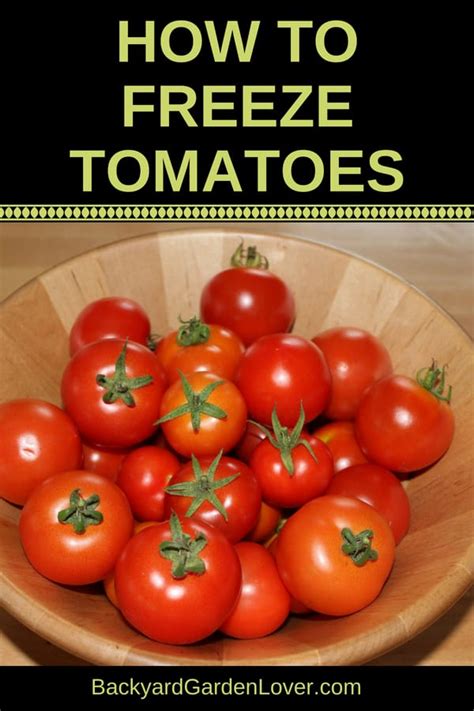
Freezing is arguably one of the simplest and least labor-intensive methods for preserving tomatoes, especially if you plan to use them in cooked dishes. You don’t even need to blanch them first, though peeling them beforehand can save time later. Simply wash your tomatoes, core them, and cut them into halves or quarters, depending on their size. For easier use, you can freeze them whole or diced on a baking sheet before transferring them to freezer-safe bags or containers. This prevents them from clumping together. Frozen tomatoes are perfect for sauces, soups, stews, and chili.
Traditional Water Bath Canning
Canning offers a shelf-stable way to preserve tomatoes for long-term storage, allowing you to enjoy them whole, diced, or as crushed tomatoes. This method requires a bit more equipment and attention to detail but yields fantastic results. For safety, it’s crucial to acidify your tomatoes before canning. This is typically done by adding bottled lemon juice (1 tablespoon per pint, 2 tablespoons per quart) or citric acid (1/4 teaspoon per pint, 1/2 teaspoon per quart) directly to each jar.

Hot pack your prepared tomatoes (peeled and cored) into sterilized jars, leaving appropriate headspace, cover with boiling water or their own juice, and process in a boiling water bath canner according to tested recipes for your altitude. Always consult reliable canning guides for specific processing times and safety recommendations.
Crafting Homemade Tomato Sauce or Paste
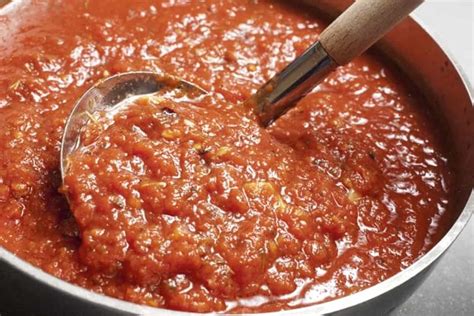
Transforming your fresh tomatoes into rich, flavorful sauce or concentrated paste is a rewarding preservation method. This allows you to cook down large batches of tomatoes, intensifying their flavor and reducing their volume significantly. Start by washing, coring, and quartering your tomatoes. You can simmer them until soft, then run them through a food mill to remove skins and seeds. Continue simmering the resulting pulp until it reaches your desired consistency for sauce or paste. For long-term storage, this can then be canned using a water bath canner (again, ensuring proper acidification) or frozen in portions. Consider adding herbs like basil or oregano during the cooking process for an extra layer of flavor.
Sun-Drying or Dehydrating Tomatoes
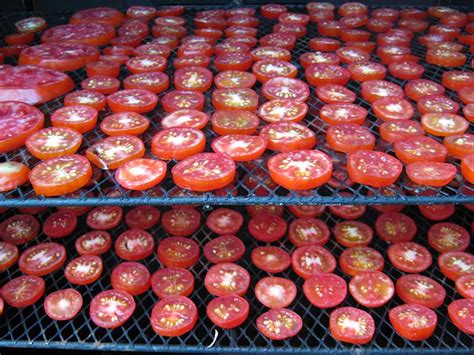
Drying tomatoes concentrates their sugars and flavors, creating a wonderfully chewy and intense ingredient perfect for salads, pasta dishes, or as a snack. While traditional sun-drying requires hot, dry weather and careful protection from pests, a food dehydrator offers a more controlled and accessible method. Slice your tomatoes thinly and arrange them in a single layer on dehydrator trays. Dry them at a low temperature (around 125-135°F or 52-57°C) until they are leathery and pliable, not brittle. Store dried tomatoes in airtight containers in a cool, dark place, or for extended storage, vacuum seal them or pack them in olive oil (refrigerated).
Fermenting Tomatoes for Probiotic Goodness
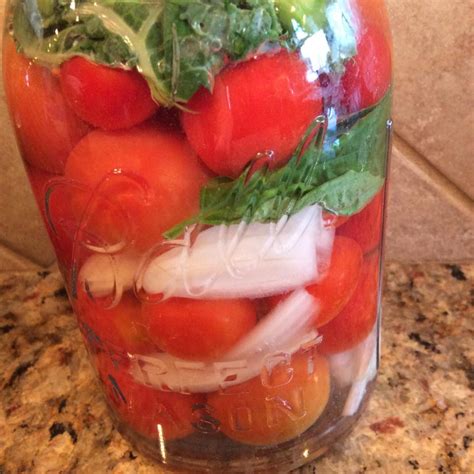
For a less common but incredibly flavorful and probiotic-rich option, consider fermenting your tomatoes. This ancient preservation method involves submerging chopped or whole cherry tomatoes in a saltwater brine, allowing beneficial bacteria to thrive and preserve the vegetables. The fermentation process imparts a unique tangy flavor and enhances their nutritional value. Ensure your tomatoes are clean, place them in a sterile jar, cover with a 2-3% salt brine (e.g., 2-3 tablespoons non-iodized salt per quart of water), and use a fermentation weight to keep them submerged. Ferment at room temperature for several days to a week, then transfer to the refrigerator for longer storage. This method is excellent for creating tangy additions to salads or sandwiches.
With an abundance of natural preservation methods at your fingertips, you can easily transform your garden’s tomato glut into a year-round supply of delicious, wholesome ingredients. Whether you opt for the simplicity of freezing, the tradition of canning, the richness of sauce-making, the intensity of drying, or the unique tang of fermentation, each method allows you to enjoy the unparalleled taste of homegrown tomatoes long after the summer sun has faded.