



Road trip: How to keep homemade food fresh & safe for rural travel?
Embarking on a rural road trip offers unparalleled freedom and a chance to explore off-the-beaten-path destinations. A big part of that experience for many is enjoying delicious, homemade food. However, keeping those culinary creations fresh and safe, especially when far from grocery stores and restaurants, requires careful planning and execution. This guide will help you master the art of road trip food preservation, ensuring every meal is a joy, not a health risk.
The Importance of Pre-Trip Planning
The success of your road trip food strategy begins long before you hit the highway. Start by choosing the right foods: opt for dishes that are less prone to spoilage and travel well. Think sturdy sandwiches, wraps, pasta salads (with vinaigrette, not mayo-based dressings), hard-boiled eggs, roasted vegetables, and cut fruit. Avoid highly perishable items like raw meats or dairy-heavy desserts unless you have exceptional cooling capabilities.
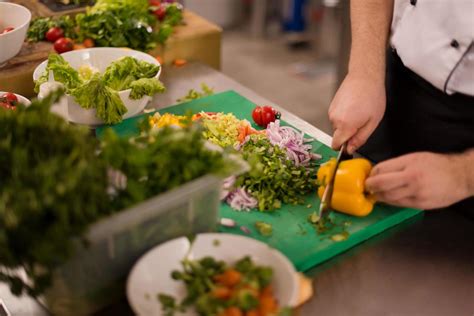
Proper preparation is equally crucial. Cook all meats and poultry thoroughly, and cool hot foods rapidly before packing. Divide large portions into smaller, individual servings to speed up cooling and make on-the-go access easier. Freezing some prepared meals, like chili or stew, can also act as an additional ice pack.
Smart Storage Solutions
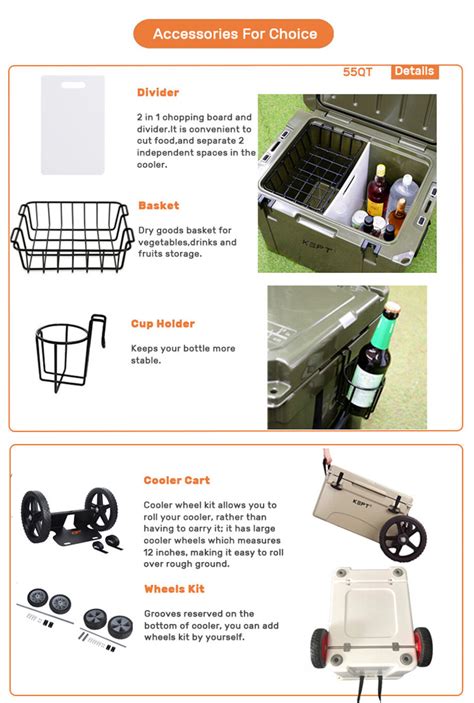
Your cooler is your best friend on a food-focused road trip. Invest in a high-quality, well-insulated cooler that can maintain low temperatures for extended periods. Rotomolded coolers are excellent for multi-day trips, while a good quality soft-sided cooler might suffice for shorter excursions. Ensure it’s clean and pre-chilled before packing.
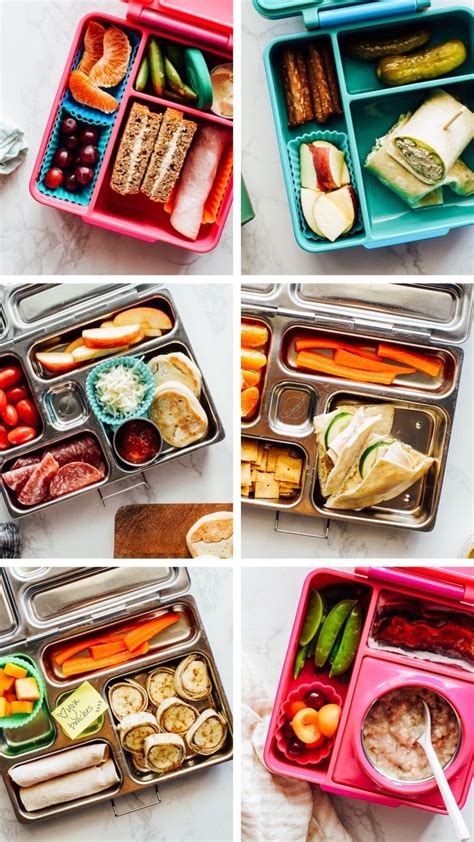
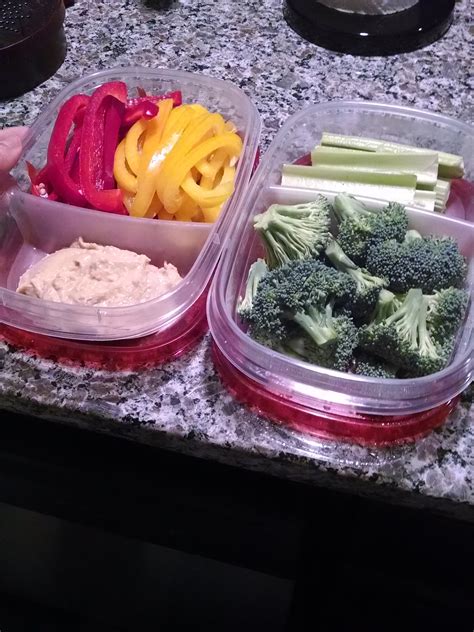
For food containers, prioritize airtight, leak-proof options. Glass containers are great for preventing stains and odors, but plastic (BPA-free) can be lighter and more durable against bumps and drops. Use multiple sizes for different food types, and consider bento-style boxes for complete meals. Labeling containers can save time and prevent rummaging.
Packing for Peak Freshness
Effective packing is key to maintaining freshness. Use a combination of ice packs, frozen water bottles, or blocks of ice. Ice blocks melt slower than cubes, providing longer-lasting cold. Place ice packs at the bottom and top of your cooler, as cold air sinks. Layer items strategically: raw ingredients (if any) should be at the bottom, away from ready-to-eat foods, and items needed first should be at the top for easy access.
To minimize temperature fluctuations, try to group similar items together and limit how often you open the cooler. Consider a separate cooler for drinks and frequently accessed snacks to keep your main food cooler optimally cold. Using towels or newspapers as extra insulation in any empty spaces can also help.
On-the-Road Food Safety & Hygiene
Maintaining hygiene is paramount. Always have hand sanitizer or wipes readily available, especially before handling food. Use clean utensils for serving and eating. Avoid cross-contamination by keeping raw and cooked foods completely separate, even when eating.
When it comes to leftovers, be cautious. If food has been sitting out in warm temperatures for more than two hours (or one hour if temperatures are above 90°F/32°C), it’s best to discard it. The “danger zone” for bacterial growth is between 40°F (4°C) and 140°F (60°C). Don’t rely on taste or smell alone to determine safety; many harmful bacteria don’t produce noticeable signs.

Recognizing Spoilage and When to Discard
Even with the best planning, food can spoil. Pay attention to any unusual odors, discoloration, or slimy textures. While some foods might still be safe with minor changes, it’s always better to err on the side of caution, especially in remote areas where medical help might be far away. If you have any doubt about the safety of a food item, throw it out immediately. Food poisoning can quickly derail a trip.
Hydration and Other Essentials
Don’t forget about hydration! Pack plenty of water, especially when venturing into rural or arid regions. Reusable water bottles are a sustainable and practical choice. In addition to main meals, pack non-perishable snacks like nuts, granola bars, dried fruit, and crackers for quick energy boosts between stops. These items don’t require refrigeration and can be a lifesaver when fresh food runs low.
With careful planning, smart packing, and diligent hygiene practices, your homemade meals can be a highlight of your rural road trip. Enjoy the delicious convenience and the peace of mind that comes with knowing your food is fresh and safe, allowing you to focus on the adventure ahead.