
How to adjust canning recipes for high altitude garden produce?

Understanding High Altitude Canning Challenges
Canning fresh produce from your high-altitude garden is a rewarding way to preserve the bounty of your harvest. However, the science behind safe canning changes significantly at higher elevations. The most critical factor is that water boils at a lower temperature as altitude increases. This lower boiling point means that the heat processing your food receives inside the jar is less intense, potentially compromising food safety and quality if recipes aren’t adjusted correctly.
For every 1,000 feet increase in elevation, water’s boiling point drops approximately 1.8°F. While this might seem minor, it has profound implications for killing harmful bacteria and ensuring a proper seal in canned goods. Properly adjusting your canning recipes is not just about taste or texture; it’s a critical food safety measure.
Adjusting for Water Bath Canning
Water bath canning, typically used for high-acid foods like fruits, jams, jellies, pickles, and some tomatoes, relies on boiling water to create a hot enough environment to kill spoilage organisms and create a vacuum seal. Since the boiling point is lower at high altitudes, the processing time must be increased to compensate for the reduced temperature. This ensures the food is exposed to heat for a sufficient duration.
Most canning guides provide specific altitude charts that dictate how much to extend processing times based on your elevation. As a general rule, for every 1,000 feet above sea level, you’ll need to add a certain percentage or number of minutes to the standard processing time. Always consult a reliable, current altitude chart from sources like the National Center for Home Food Preservation (NCHFP) or your local Extension office.
Adjusting for Pressure Canning
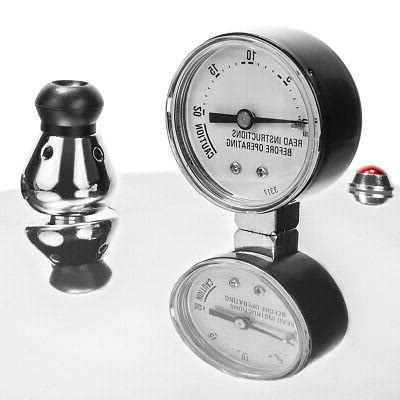
Pressure canning is essential for low-acid foods such as vegetables, meats, poultry, and mixtures like soups. This method uses steam under pressure to achieve temperatures much higher than the boiling point of water, even at sea level. At high altitudes, the objective isn’t to increase processing time, but rather to increase the pressure (PSI) to reach the required higher temperature for safe processing.
For most pressure canning recipes, you will need to increase the PSI (pounds per square inch) to maintain the necessary internal temperature for sterilizing low-acid foods. For canners with weighted gauges, you’ll typically use 15 pounds of pressure at altitudes above 1,000 feet. For dial gauges, specific adjustments are needed based on your exact altitude (e.g., 12 or 13 PSI at 2,000-4,000 feet, 14 or 15 PSI at 4,000-6,000 feet). Always have your pressure canner’s dial gauge tested annually for accuracy.
Produce-Specific Considerations at High Altitude
Garden produce grown at high altitudes can sometimes differ in characteristics from produce grown at lower elevations. Vegetables and fruits may be denser, have thicker skins, or vary slightly in moisture content. While these differences don’t usually require major recipe overhauls beyond the processing adjustments, it’s worth noting:
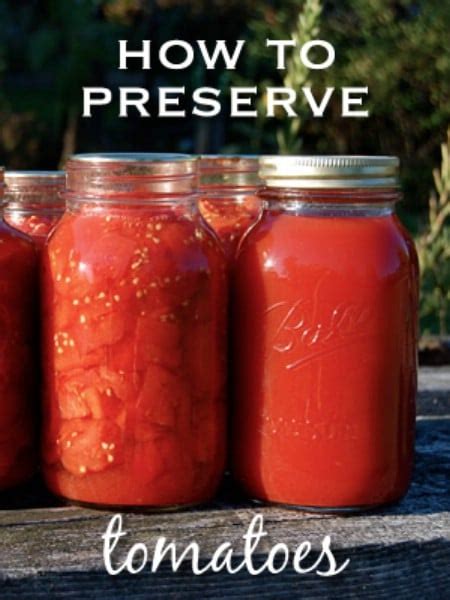
- Tomatoes: Even though often considered high-acid, high-altitude tomatoes may sometimes have slightly lower acidity. Always add bottled lemon juice or citric acid as directed in tested recipes to ensure a safe acid level for water bath canning.
- Leafy Greens & Beans: These often benefit from slightly longer blanching times before packing into jars for pressure canning, ensuring they are adequately wilted and packed without excess air.
- Root Vegetables: Denser root vegetables might benefit from slightly smaller pieces or a touch longer pre-treatment to ensure even heat penetration.
Stick strictly to tested recipes and their instructions for preparation, packing, and processing, making only the required altitude adjustments for time or pressure.
Essential Safety Tips for High-Altitude Canning
Safe canning practices are paramount, especially at higher elevations. Here are key tips:
- Use Tested Recipes Only: Never use untested recipes. Always refer to current, reputable canning guides (e.g., NCHFP, USDA, university extension services).
- Know Your Altitude: Accurately determine your exact elevation to apply the correct adjustments.
- Altitude Charts: Always consult and follow an up-to-date altitude adjustment chart for both water bath and pressure canning.
- Equipment Checks: Ensure your canners are in good working order. Pressure canner gauges should be tested annually.
- Don’t Guess: If in doubt, err on the side of caution or freeze your produce instead.
Resources and Conclusion
Canning at high altitudes requires diligence and adherence to specific guidelines, but it’s entirely achievable and safe when done correctly. Utilize the wealth of information available from trusted sources. Your local university extension office is an invaluable resource for up-to-date information, workshops, and altitude charts specific to your region. Embrace the challenge, enjoy your high-altitude harvest, and fill your pantry with delicious, safely preserved foods.