
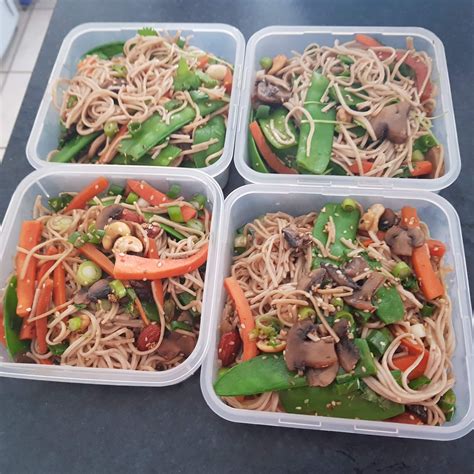

How to adapt seasonal garden produce into traditional homemade meals?
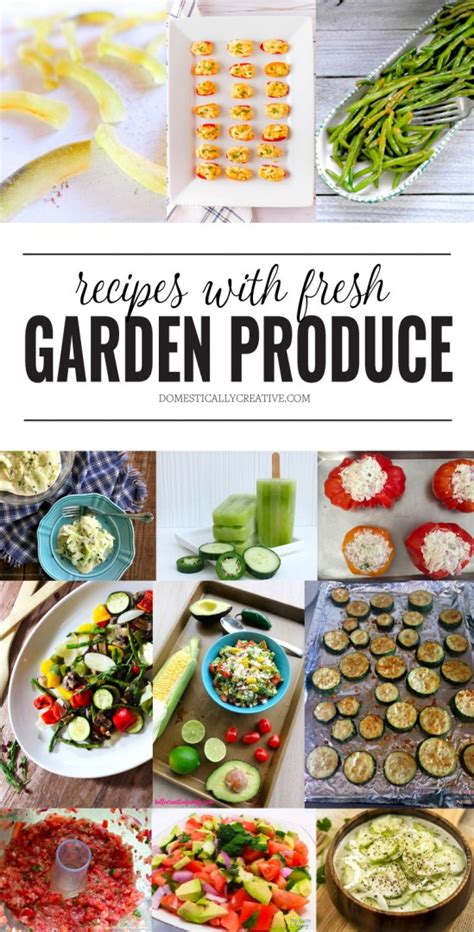
There’s a unique satisfaction that comes from harvesting fresh produce directly from your garden. The vibrant colors, the earthy scents, and the unparalleled flavor—it’s a culinary dream. However, the abundance of seasonal vegetables and fruits can sometimes feel overwhelming, leaving home cooks wondering how to seamlessly integrate this bounty into familiar, comforting homemade meals. This article will guide you through practical strategies and inspiring ideas to transform your garden’s yield into delicious, traditional dishes your family will love.
Embracing the Seasonal Cycle: What’s in Season?
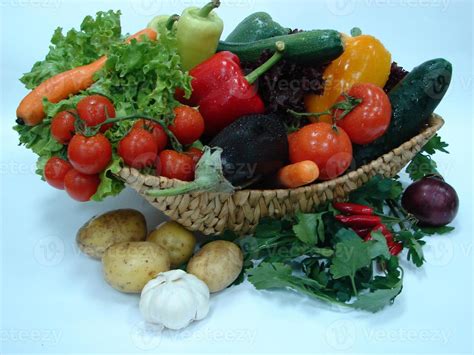
Understanding the typical harvest times for different vegetables is the first step. Spring brings tender greens like spinach, lettuce, and asparagus. Summer bursts with tomatoes, zucchini, bell peppers, and berries. Autumn delivers root vegetables, pumpkins, squash, and apples. Winter, though quieter, can still offer hearty greens and stored produce. Knowing what’s available helps you plan your meals and think creatively about substitutions or additions to your go-to recipes.
Adapting Traditional Recipes with Garden Freshness
Many traditional homemade meals are inherently versatile, making them perfect candidates for seasonal adaptations. Think of classic dishes as a framework, into which you can weave your garden’s freshest offerings.
Hearty Soups and Stews
These are incredibly forgiving. Instead of just carrots and potatoes, add chopped zucchini, bell peppers, kale, spinach, or green beans from your summer garden. For autumn stews, incorporate cubed butternut squash or parsnips. A simple chicken noodle soup can be elevated with freshly picked herbs and a handful of Swiss chard.
Pasta and Grain Dishes
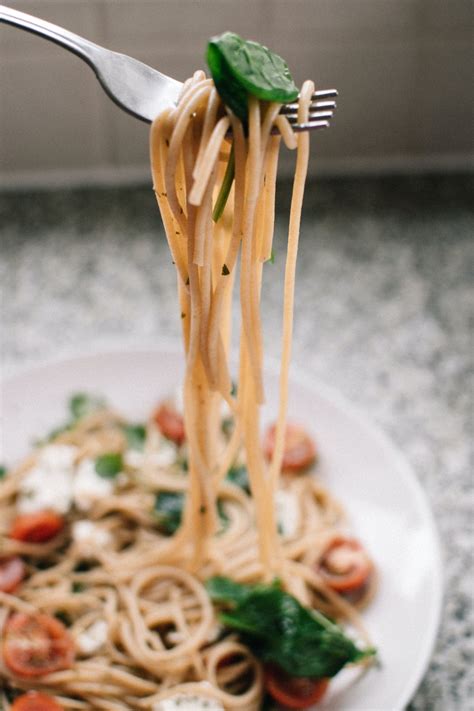
Liven up your pasta sauces with a burst of garden flavor. Freshly diced tomatoes, sautéed zucchini, eggplant, or mushrooms can be folded into marinara. Pesto made with homegrown basil is incomparable. For rice dishes or risottos, consider adding peas, asparagus tips, or even thinly sliced radishes for a peppery kick.
Smart Preservation for Year-Round Enjoyment
When the garden is overflowing, smart preservation ensures you can enjoy your produce long after its season ends, making it available for traditional meals whenever you crave them.
- Freezing: Blanch and freeze green beans, corn kernels, peas, or spinach. Freeze berries for smoothies and pies. Roast and purée pumpkin or squash before freezing in portions.
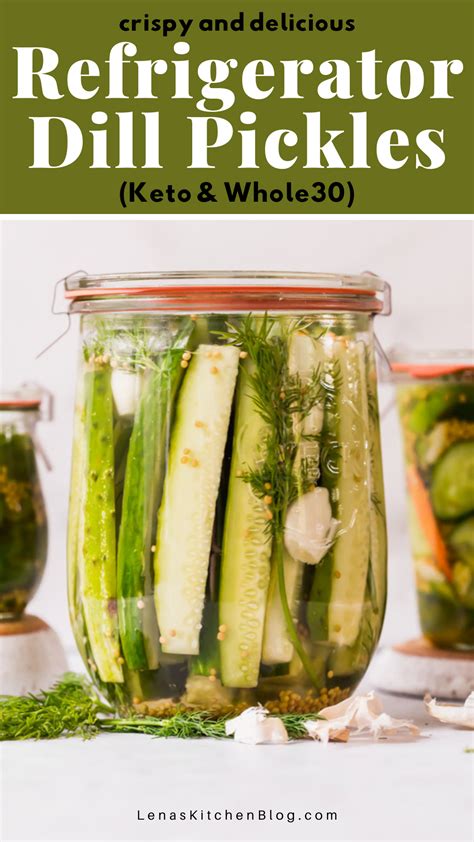
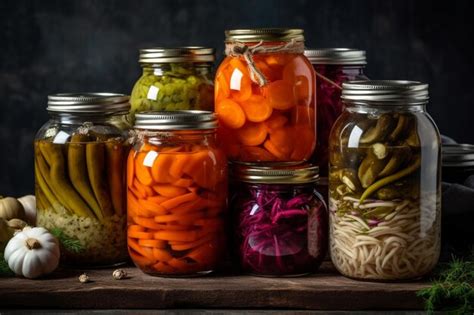
- Canning/Pickling: Transform cucumbers into pickles, tomatoes into sauces, or various vegetables into dilly beans or giardiniera.
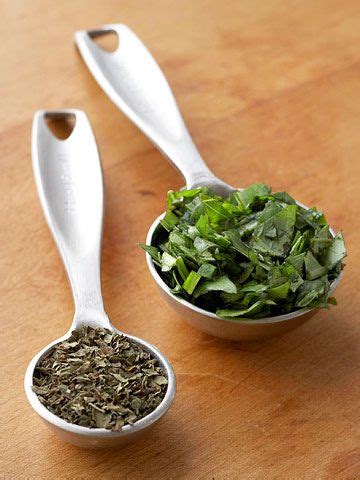
- Drying: Herbs like oregano, thyme, and rosemary are easily dried. Cherry tomatoes can be sun-dried for intense flavor.
These preserved ingredients can then be pulled out to enhance winter chili, pasta dishes, or hearty casseroles, bringing a taste of summer to colder months.
Seasonal Recipe Inspiration for Your Table
Let these ideas spark your culinary creativity:
- Summer Zucchini Fritters: Grate abundant zucchini, mix with flour, egg, and herbs, then pan-fry until golden. Serve with a dollop of fresh yogurt or sour cream.
- Garden Fresh Tomato & Basil Pasta: Simply sauté garlic, add chopped ripe tomatoes and fresh basil, toss with pasta, and finish with a drizzle of olive oil and Parmesan.
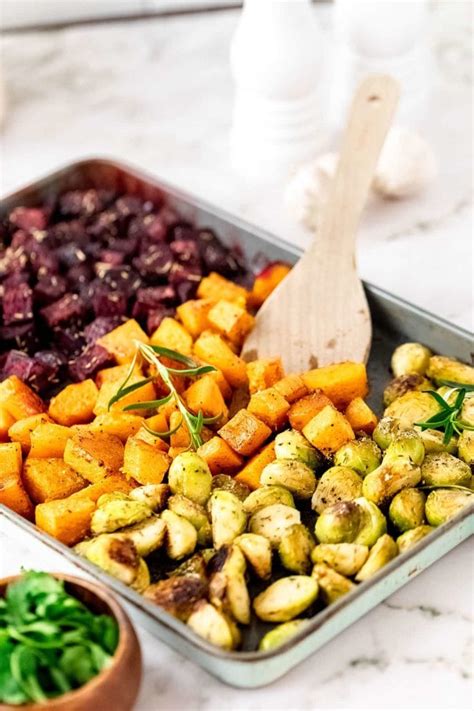
- Roasted Autumn Root Vegetables: Toss carrots, parsnips, sweet potatoes, and onions with olive oil, rosemary, and thyme, then roast until tender and caramelized. A perfect side for any traditional roast.
- Hearty Winter Greens & Bean Soup: Sauté onions and garlic, add cannellini beans, vegetable broth, and a generous amount of chopped kale or collard greens. Simmer until tender.
Tips for Seamless Garden-to-Table Integration
- Start Simple: Begin by adding one or two new garden ingredients to a familiar recipe.
- Taste as You Go: Adjust seasonings to complement the fresh flavors.
- Be Flexible: If a recipe calls for bell peppers and you have an abundance of zucchini, don’t hesitate to make the swap (considering texture and cooking time).
- Embrace Herbs: Fresh herbs from the garden can dramatically elevate any dish, from sauces to salads.
- Minimize Waste: Use stalks, leaves (if edible), and less-than-perfect pieces in stocks or purées.
Integrating your seasonal garden produce into traditional homemade meals is a rewarding journey. Not only does it enhance the flavor and nutritional value of your food, but it also fosters a deeper connection to your food source and encourages sustainable eating habits. Experiment, have fun, and savor the unique taste of your homegrown bounty.